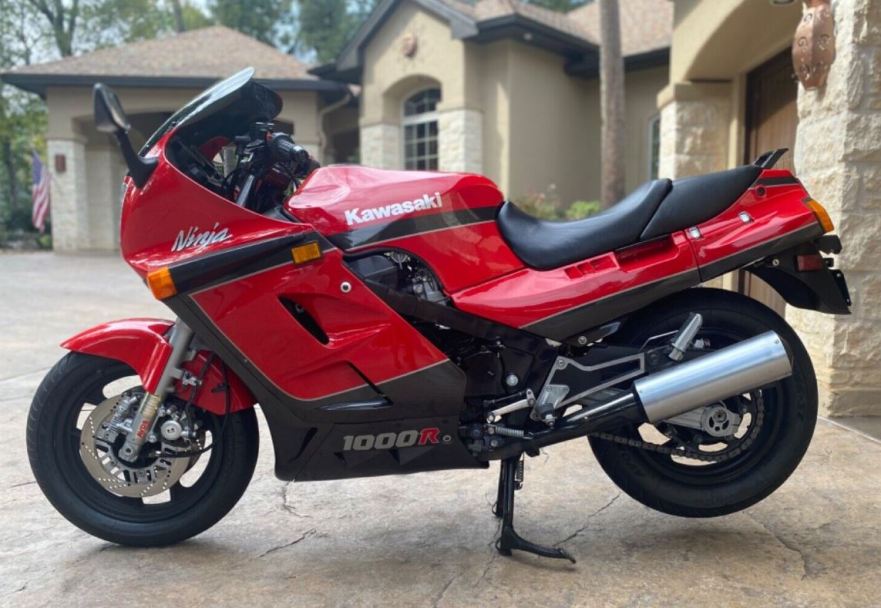
The 1986 Kawasaki Ninja 1000R stands as a paragon of vintage motorcycle engineering—a testament to an era when speed met artistry with uncompromising precision. As enthusiasts gaze upon this iconic machine, there is an unmistakable allure that transcends mere admiration of form and function. It is this magnetic pull, deeply rooted in a blend of raw power, aesthetic elegance, and technological innovation, which cements the Ninja 1000R’s status as a timeless speed machine.
From the moment the Ninja 1000R emerged in the mid-1980s, it disrupted preconceived notions of what a sportbike could embody. This was a period when motorcycle manufacturers grappled with balancing performance and rider comfort, yet Kawasaki pushed boundaries by introducing a motorcycle that didn’t just serve one purpose. The bike’s aggressive stance, underscored by its aerodynamic fairings and muscular fuel tank, hints at the velocity that awaits beneath its surface—a velocity that spoke directly to the thrill-seeking, road-conquering psyche of its audience.
At the core of the Ninja 1000R’s fascination lies the formidable 998cc inline-four engine, an engineering marvel of its time. This powerhouse delivered a harmonious blend of torque and top-end scream, allowing riders to experience an exhilarating push of adrenaline. Unlike the raw, unrefined beasts that often characterized earlier decades, the Ninja’s engine was a symphony of sophistication—its carburetors finely tuned for instant throttle response, and its chassis meticulously balanced to tame the unleashed horsepower. Such a combination of brute force and finesse set the stage not only for superior speed but also for remarkable handling, a factor that continues to captivate aficionados decades later.
Yet, beyond the mechanical spectacle, the 1986 Ninja 1000R embodies a deeper cultural resonance. It represents a crossroads in motorcycle history when the pursuit of velocity was no longer just about straight-line speed, but about mastering the complexities of cornering, stability, and rider engagement. This was an era where riders sought machines that responded intuitively, transparently translating every input into a visceral connection with the road. The 1000R delivered precisely that, with suspension components that offered remarkable compliance without sacrificing precision, marrying comfort with performance in a way rarely achieved.
The design philosophy adopted by Kawasaki engineers was reflective of the zeitgeist—bold yet purposeful. The angular lines and integrated fairings weren’t simply aesthetic flourishes but strategic enhancements to aerodynamic efficiency. The seductive silhouette, with its sharp contours and purposeful air intakes, optimized airflow while exuding an aggressive posture that made the Ninja instantly recognizable. This interplay between form and function is a crucial reason why the 1986 Ninja 1000R commands such reverence, even in today’s hyper-modern motorcycle landscape.
Moreover, the motorcycle’s influence extends beyond its immediate performance attributes. It helped redefine rider expectations at a time when sportbikes were transitioning from niche machinery to mainstream icons. The 1000R embodied the promise of accessible power—offering not just straight-line speed but a versatile character suited for spirited canyon rides, extended touring, or urban commuting. This versatility has perpetuated its enduring allure, as each ride offers a dialogue between machine and rider, steeped in both nostalgia and thrill.
This fascination with the Ninja 1000R also speaks to a broader human intrigue with the concept of “vintage speed.” It is not simply about chasing numbers on the speedometer but about experiencing a tactile connection to an era when technology was analog and the rider’s skill was paramount. The visceral nature of the 1986 Ninja 1000R—the seat vibrating beneath your thighs, the wind whistle as velocity builds, the growl of the four-cylinder echoing through the exhaust—elicits sensations that are often diluted in today’s technology-saturated landscape. This sensory immersion is a powerful aspect of why riders and collectors alike remain captivated by this machine.
The Ninja 1000R’s legacy is further reinforced by its relative rarity and the passionate community that surrounds it. Finding one in pristine or restored condition is akin to unearthing a gem, a physical and emotional link to a significant chapter in motorcycling history. For many, owning this bike is an act of preservation—a way to safeguard not just a machine, but a cultural artifact that tells the story of innovation, passion, and the relentless pursuit of speed.
In conclusion, the 1986 Kawasaki Ninja 1000R transcends the sum of its parts and occupies a special place in the annals of motorcycling lore. Its appeal lies not just in the mechanical specifications or the captivating design but in the rich narrative it carries—a narrative of engineering excellence, cultural significance, and the timeless human desire to engage with speed in its purest form. As a vintage speed machine, the Ninja 1000R continues to inspire awe and respect, reminding us that true performance is as much about soul as it is about speed.