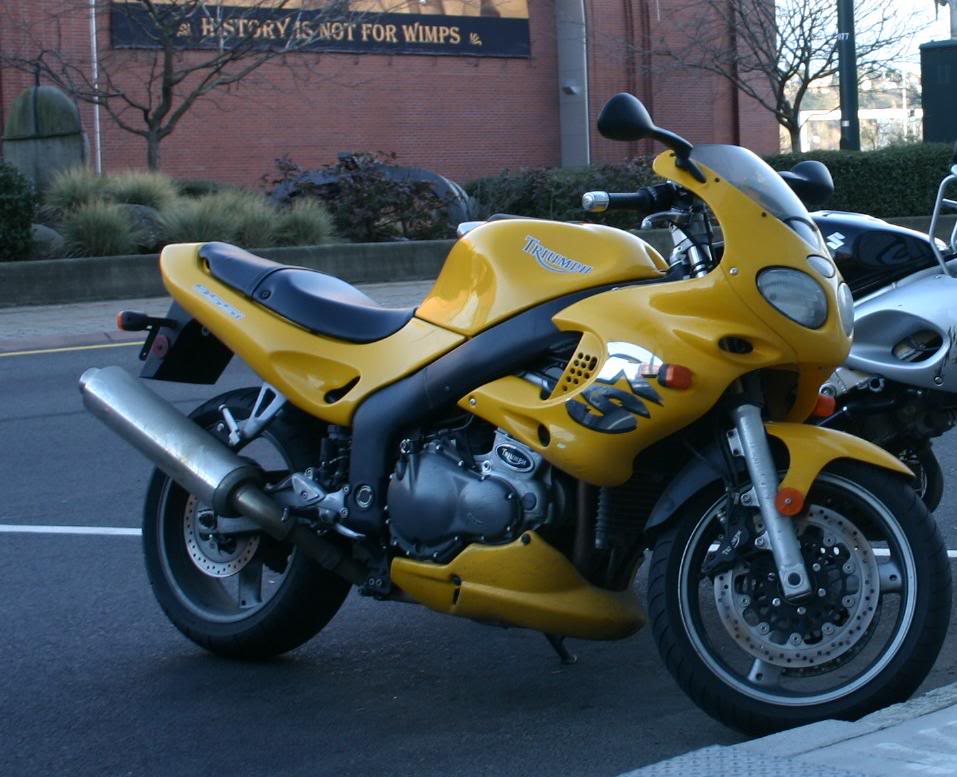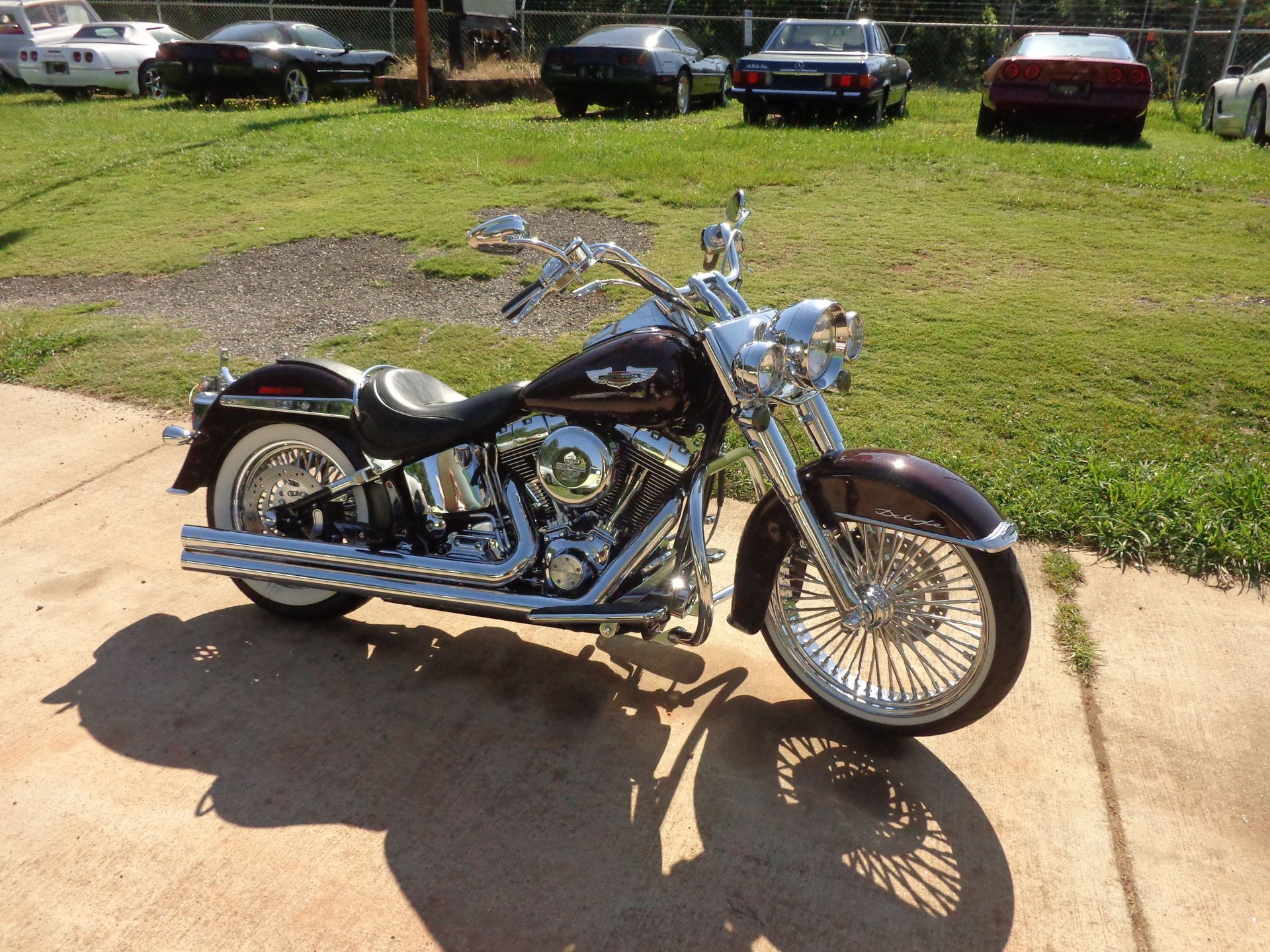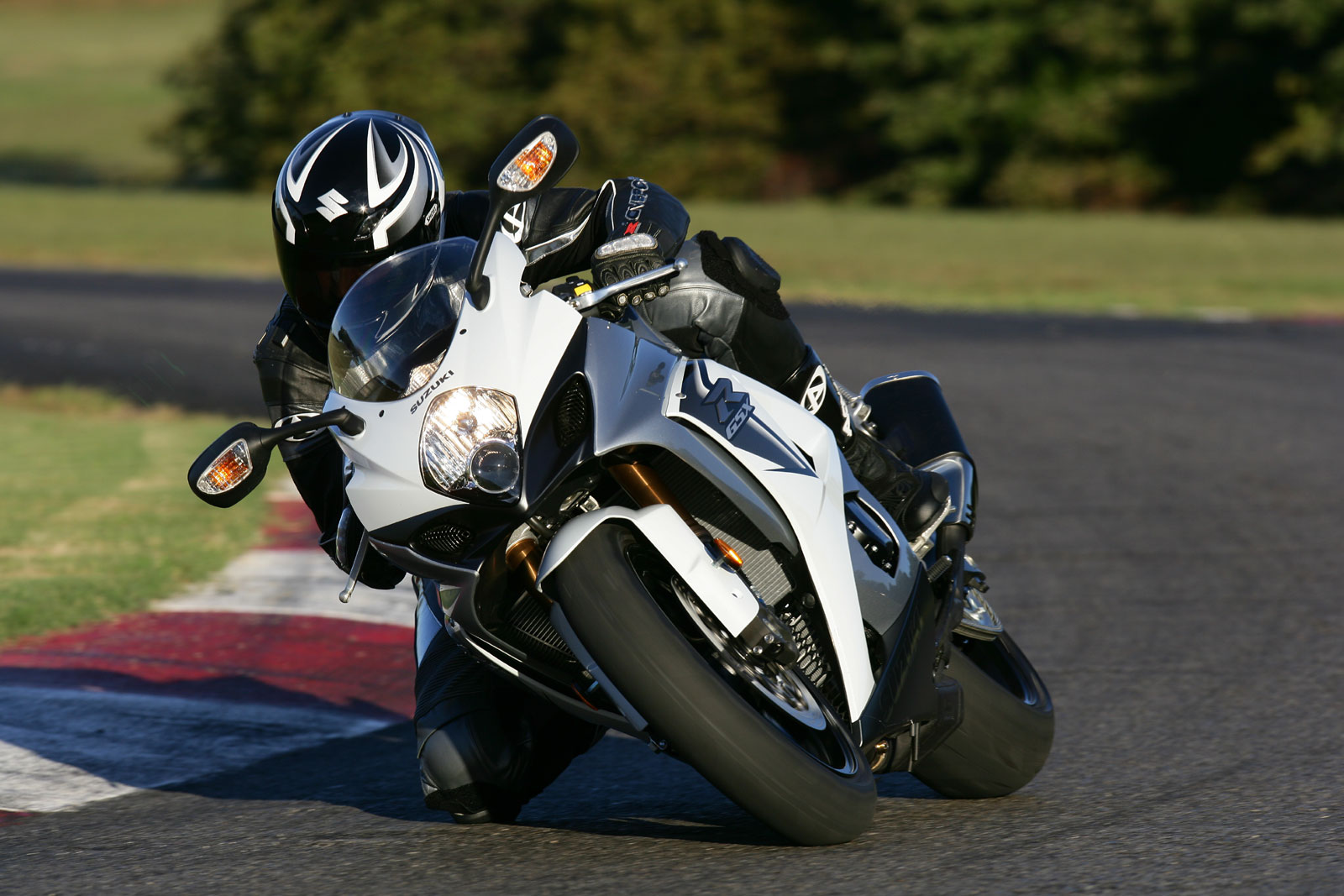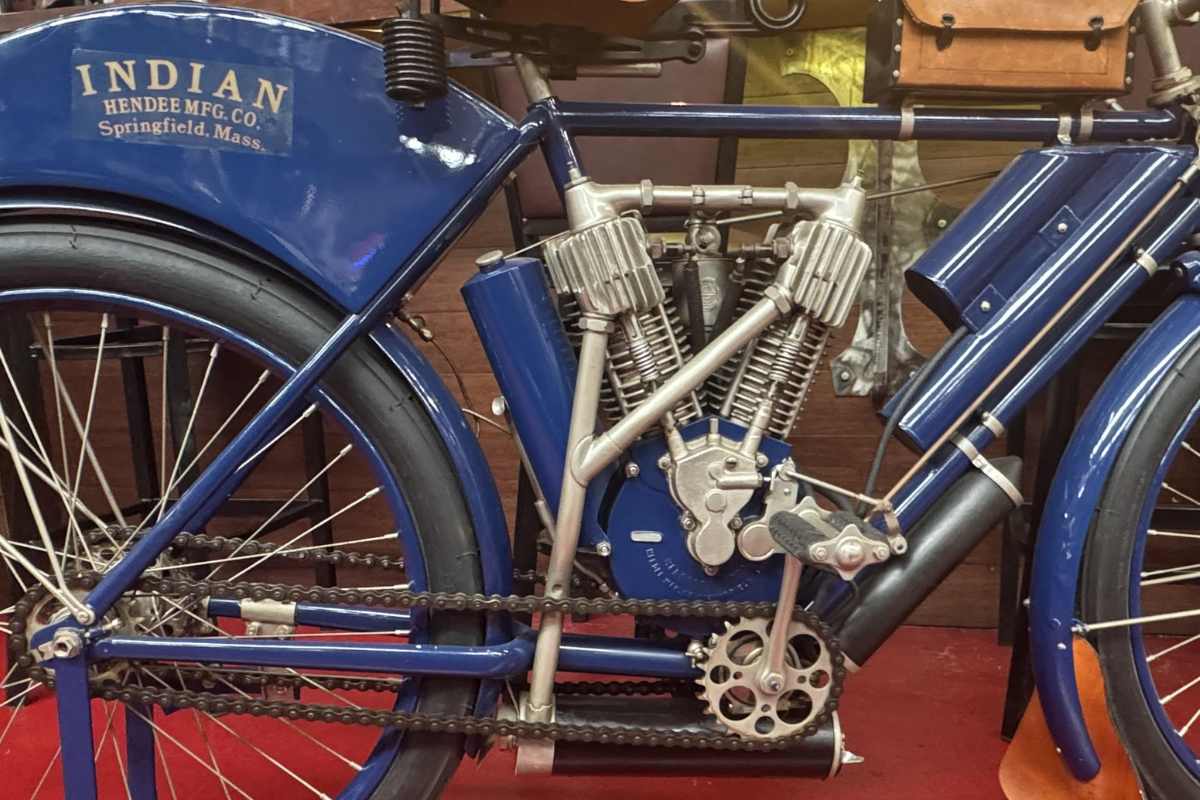
Every enthusiast who has ever experienced the roar of a 2-stroke twin or V-twin engine is immediately struck by a unique visceral thrill—a symphony of raw power and mechanical artistry that transcends mere transportation. There is something almost elemental about these engines, those that deliver not only speed but a characteristic pulse that commands attention and admiration. This fascination is hardly accidental. Beneath the surface lies a complex interplay of engineering ingenuity, thermodynamic principles, and historical evolution that collectively explain why 2-stroke twin and V-twin engines retain their legendary status in motorcycling, marine propulsion, and beyond.
At first glance, the power output of these engines seems disproportionate to their size and configuration. It is common knowledge that two-stroke engines inherently produce more power strokes per revolution compared to their four-stroke counterparts, resulting in a higher specific power output. However, the twin-cylinder arrangements—particularly V-twins—introduce nuances that amplify this effect, creating distinct power delivery characteristics.
The 2-stroke twin engine, for instance, operates on a simplified combustion cycle that completes in just two strokes—compression and power combined with effective scavenging—significantly increasing the frequency of combustion events per crankshaft revolution. This high firing rate naturally elevates power density. When arranged as a twin, these engines benefit from a smoother power curve and reduced inertial imbalances. The spacing of the power pulses helps in delivering consistent thrust, enhancing traction and controllability. This intrinsic rhythm, pulsating more rapidly and intensely than single-cylinder designs, is a compelling factor in power perception.
Meanwhile, V-twin engines elevate this concept through geometry and mechanical heritage. The V configuration, with cylinders arranged at an angle (commonly between 45° to 90°), delivers an exemplary balance between compactness and performance. This architecture allows for a more centralized mass, aiding handling dynamics. More importantly, the firing order of the V-twin creates an unmistakable cadence—a sonic identity—that aligns with the visceral experience of power. Unlike the rapid-fire chatter of inline twins or parallel twins, the V-twin conjures a deep, throaty rumble which humans often associate with strength and brute force.
Diving deeper, one must consider the thermal and volumetric efficiency factors intrinsic to 2-stroke twin engines. Due to the absence of valves and the reliance on ports for intake and exhaust, 2-stroke engines minimize mechanical complexity, reducing internal friction losses. The twin arrangement further improves breathing efficiency by distributing intake and exhaust events across two cylinders, which can be finely tuned to optimize scavenging and combustion completeness. The result is a more aggressive combustion cycle, translating into elevated torque curves that peak at lower RPMs compared to single-cylinder equivalents.
This torque-rich behavior is crucial because torque dictates the engine’s ability to do work, especially in real-world conditions such as accelerating out of corners or hauling heavy loads. The twin-cylinder 2-stroke engines are renowned for their “torque punch”—a sudden, unleashing surge of power that feels immediate and forceful. This sensation elevates rider confidence and engagement, fostering a deeper emotional connection to the machine’s capabilities.
The historical context surrounding the evolution of these engines provides further insight into their power mystique. During the early and mid-20th century, technological constraints and racing demands led manufacturers to develop lightweight, high-revving engines that could outperform competitors without additional mass penalties. The 2-stroke twin quickly gained favor in motocross, road racing, and marine applications for delivering exceptional power-to-weight ratios. Concurrently, the V-twin configuration became synonymous with cruiser and touring motorcycles, blending power with character. This juxtaposition of brute strength and mechanical poetry entrenched both designs in the popular imagination as symbols of power and freedom.
Engineering nuances also extend to the mechanical design elements like crankshaft configuration and ignition timing, which play a pivotal role in defining the power delivery signature. For example, the “180-degree” crank in some 2-stroke twins enhances balance and firing interval regularity, reducing vibrations, and promoting a linear powerband. On the other hand, V-twins often utilize “90-degree” layouts to achieve perfect primary balance, which smooths the engine operation and elevates rider comfort without sacrificing the dramatic power pulse.
Additionally, the interplay between induction systems and exhaust tuning in twin 2-stroke engines cannot be overstated. Sophisticated expansion chambers and reed valves or rotary valves serve to augment cylinder filling and scavenging efficiency, effectively “supercharging” the engine at particular RPM ranges. The V-twin design, equipped with carefully calibrated carburation or fuel injection systems, capitalizes on volumetric efficiency to maintain torque consistency and permit controlled bursts of acceleration. These engineering marvels delineate why such engines are not only powerful but also spat out a signature performance that engages both machine and rider in a harmonious dance.
Moreover, the sensory experience—the auditory and tactile feedback—forms an inseparable component of their power appeal. The deep growl and distinctive backfire of a V-twin, or the sharp, edgy bark of a 2-stroke twin, evoke primal responses. These cues act as a constant reminder of the machine’s potential energy, a whisper and shout of power that transcends mere mechanical function to craft an emotional bond.
In summary, the power of 2-stroke twin and V-twin engines is rooted in a multifaceted confluence of engine cycle efficiency, cylinder arrangement, mechanical simplification, and historical breeding ground for performance. They embody a holistic synthesis where engineering precision meets sensory exhilaration. These engines do not just move vehicles; they forge identities, evoke passion, and encapsulate the mechanical soul of power in its most raw and compelling form. To experience their might is to understand why they continue to inspire awe and command respect in a world where technology relentlessly evolves yet certain legends remain eternal.