Few motorcycles manage to encapsulate the essence of sport touring quite like the 2000 Triumph Sprint RS. It stands as a compelling testament to what happens when performance and practicality refuse to be separate pursuits. Riders and enthusiasts have always noted an almost magnetic allure surrounding this British engineering marvel—an allure that goes beyond the superficial aesthetics or raw power figures. This fascination is rooted in a harmonious blend of meticulous design, mechanical prowess, and an innate understanding of the rider’s needs on both urban roads and winding backcountry highways.
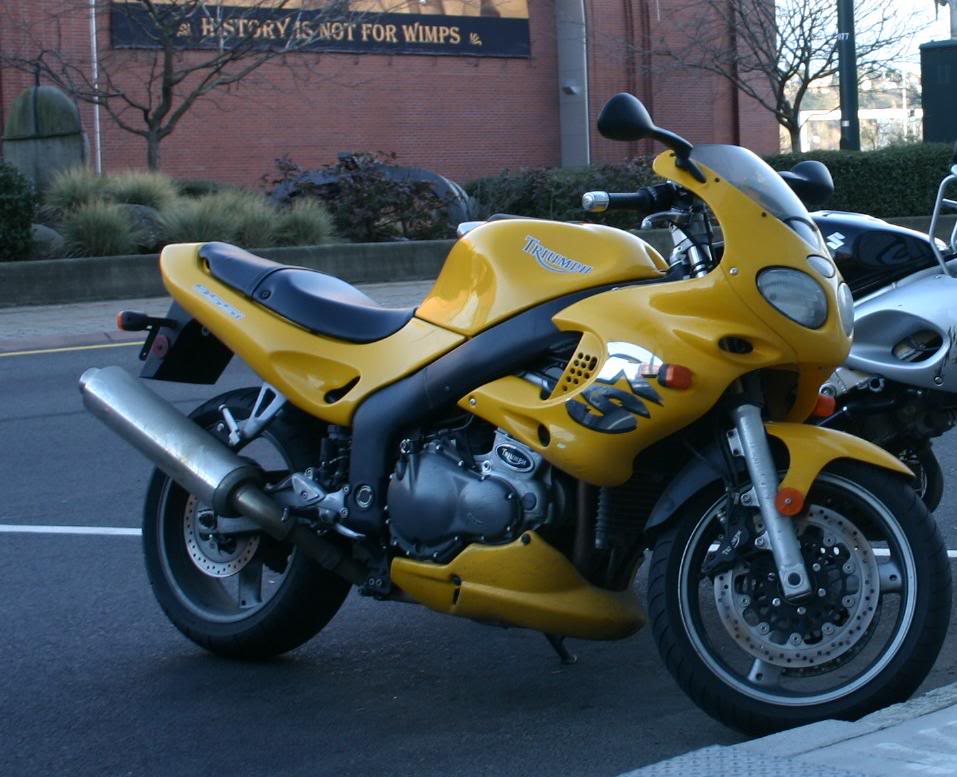
At first glance, the Triumph Sprint RS does not scream superlative at a glance, but closer inspection reveals layers of thoughtful craftsmanship. It succeeds as a sport touring machine by striking a delicate balance between aggressive styling and ergonomic comfort. The aerodynamic silhouette hints at speed and agility, yet its riding posture promises endurance and control during those extended journeys. The compact fairing, distinct dual headlamps, and sculpted fuel tank merge seamlessly, providing wind protection essential for long rides without sacrificing the bike’s spirited character.
Underneath the poised exterior lurks a 955cc inline three-cylinder engine—the beating heart that defines the Sprint RS’s dynamic personality. This powerplant delivers a satisfying crescendo of torque and horsepower, effortlessly transforming throttle inputs into a thrilling, smooth ride. The triple-cylinder configuration is quintessential Triumph, offering a unique blend of responsiveness and aural richness. It’s precisely this sonic signature that often evokes a visceral connection between rider and machine—a subtle but profound aspect of motorcycling allure often overlooked in technical analyses.
Beyond raw performance, the Sprint RS’s chassis engineering elevates it above mere opposites of sports and touring. The steel frame, purposefully designed for rigidity without excessive weight, ensures precise handling and cornering prowess. The adjustable suspension caters to diverse riding conditions, allowing the rider to fine-tune the machine’s behavior whether skimming tight bends or cruising highways. Notably, the balance is not just functional but intuitive; the feedback conveyed through the handlebars and seat connects the rider’s intent with the road’s response in a near symbiotic manner, making every mile an engaging experience.
One cannot talk about the 2000 Triumph Sprint RS without acknowledging the thoughtful integration of rider conveniences seldom prioritized at the time. Features such as the included hard panniers transform the bike from a weekend sportster into a practical touring companion. These cases provide ample storage for gear and essentials, shielding items securely against the elements. Likewise, the presence of a smooth-shifting six-speed transmission and reliable brakes ensures confidence and control across a wide spectrum of riding scenarios, contributing to the bike’s reputation as a do-it-all sport tourer.
The allure of the Triumph Sprint RS also stems from its identity within the eclectic tapestry of motorcycling history. At the dawn of the millennium, manufacturers were increasingly segmenting motorcycles into narrowly defined categories, often sacrificing versatility for specialization. Triumph’s approach with the Sprint RS was refreshingly nuanced, offering a machine that could perform capably in sport riding contexts yet remain eminently comfortable on sustained tours. This dual capability resonates particularly with riders who reject the notion that utility and excitement must exist in opposition.
Environmental conditions, route variability, and personal riding style all play into the long-lasting appeal of the Sprint RS. Its adaptability is evidence of an engineering philosophy predicated on holistic user experience rather than mere mechanical statistics. This is a motorcycle built not just to cover distance, but to do so with a vibrancy and precision that transforms routine travel into a captivating adventure. The bike’s spirited demeanor, complemented by practical features, forms an experiential whole greater than the sum of its parts.
Moreover, the cultural cachet of Triumph’s engineering legacy imparts an additional layer of intrigue to the Sprint RS. Triumph motorcycles have long been associated with a blend of British elegance and rugged durability—a heritage that the 2000 Sprint RS carries forward with distinction. The model’s ability to foster a community of dedicated riders and admirers points to the deeper emotional ties underpinning motorcycling culture. It is these intangible connections—between rider, machine, and brand—that elevate the Sprint RS from mere transportation to an emblem of a lifestyle defined by freedom, discovery, and precision engineering.
In retrospect, the 2000 Triumph Sprint RS exemplifies sport touring done right because it refuses to concede to the conventional boundaries of motorcycle classification. Instead, it weaves a multifaceted narrative of power, comfort, style, and practicality into a coherent ride experience. Those who’ve ridden the Sprint RS often describe it as a motorcycle that grows on you, revealing new nuances and pleasures with each journey. It is this evolving relationship that highlights the true genius behind the model: the creation of a machine that is as engaging as it is reliable, as empowering as it is civilized.
Ultimately, the enduring fascination with the 2000 Triumph Sprint RS lies in its ability to embody a rare synthesis of attributes—making it not only a compelling artifact of its era, but a timeless exemplar for riders seeking the perfect marriage between sportiness and touring refinement. It invites an ever-deeper appreciation of the motorcycling experience, proving that when engineering ingenuity meets thoughtful design, the result transcends mere transportation and becomes something profoundly inspiring.