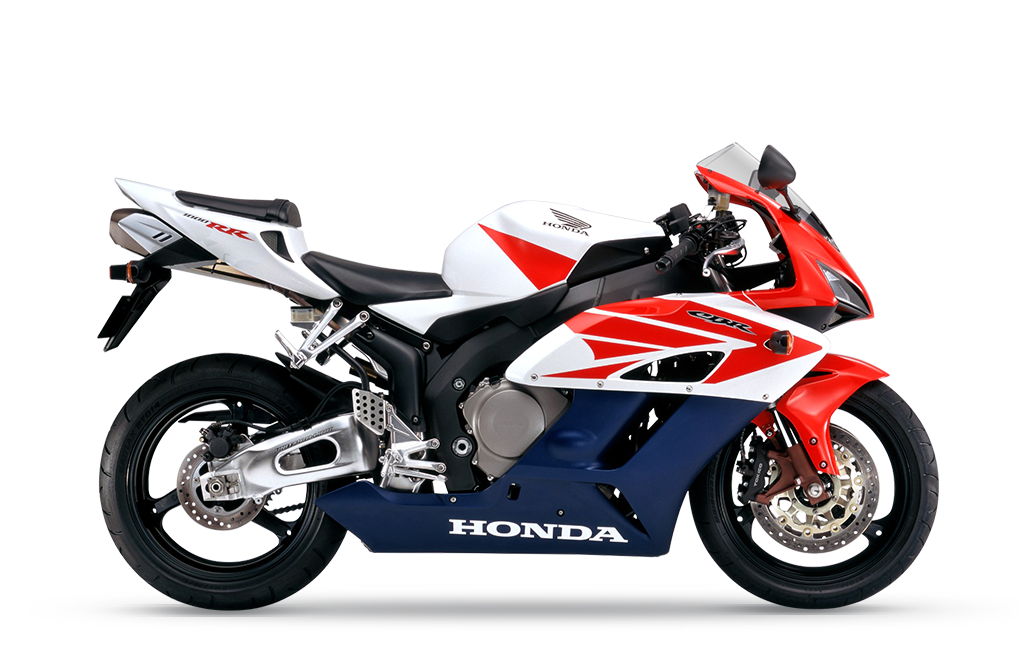
The 2004 Honda CBR1000RR occupies a distinct echelon in the pantheon of superbikes, a machine that has long captured the imagination of motorcycle enthusiasts and performance aficionados alike. Its reputation is not merely founded on raw power or blistering acceleration, but on a harmonious blend of engineering finesse and rider-centric design that delivers a truly immersive experience. Observers often remark on the seemingly effortless way this motorcycle explodes from a standstill to exhilarating speeds, epitomizing the allure of superbike performance. Yet, beneath that rapid 0–60 mph burst lies a deeper, more intricate narrative of technological innovation and rider connection that sustains its fascination decades after its debut.
The allure of the 2004 CBR1000RR begins with its engine—the heart and soul of any superbike. Honda’s engineers endowed this model with a liquid-cooled, inline four-cylinder engine that displaces 999cc, forging a robust powerplant capable of delivering approximately 160 horsepower at a screaming 12,500 revolutions per minute. This engine architecture is not just about peak numbers; it’s about the precision tuning, which provides an exceptionally broad powerband. This versatility ensures acceleration is both explosive and manageable, allowing riders to harness its potential in various conditions, from urban streets to track days.
When focusing on its 0–60 mph acceleration, the CBR1000RR’s refinement becomes immediately apparent. The bike can achieve this sprint in the vicinity of 3 seconds, positioning it competitively amongst the elite of its era. However, what makes this particularly captivating is not just the raw timing but the nature of that acceleration—progressive, controlled, and devoid of unwieldy bursts that can unsettle less experienced riders. This fine balance between brute power and chassis composure speaks to Honda’s philosophy of creating motorcycles that transcend mere speed charts, offering instead an intoxicating blend of speed and control.
Integral to this dynamic is the sophisticated chassis and suspension setup of the 2004 model. Honda utilized an aluminum twin-spar frame, which significantly reduces weight while enhancing rigidity. This architecture bestows the bike with remarkable agility and responsiveness, crucial attributes when transferring the engine’s force into forward motion without sacrificing stability. Complemented by fully adjustable suspension components—traditional telescopic front forks and a Pro-Link rear mono-shock—the CBR1000RR provides riders with the ability to tailor handling characteristics to their preferences or riding conditions. The result is a motorcycle that not only launches with fervor but also carves through corners with surgical precision.
The clutch and transmission technology also play a non-negligible role in the bike’s performance ethos. Sporting a six-speed gearbox with a hydraulic wet multi-plate clutch, the transmission ensures rapid and smooth shifts. This mechanical synergy enhances the riding experience by delivering power in seamless increments, reducing the risks of drivetrain shock or disruption of the bike’s equilibrium during aggressive acceleration. The gearbox’s crisp operation invites spirited riding while supporting the sporty demeanor that defines the CBR lineage.
Braking performance is equally paramount in the superbike’s holistic performance narrative. The 2004 CBR1000RR is equipped with dual front disc brakes and a single rear disc, featuring four-piston calipers. This setup provides significant stopping power and modulation precision—a necessary counterbalance to the bike’s acceleration prowess. Effective braking is often overlooked when discussing 0–60 times, but it forms the keystone of safety and rider confidence, enabling one to explore the envelope of performance with assuredness.
But beyond the tangible specifications and engineering metrics, there is an intangible, almost ineffable quality to the fascination with the 2004 CBR1000RR. This superbike epitomizes the symbiosis of human and machine, where engineering prowess is not just a collection of parts but the conduit for a visceral sensory experience. The regulated roar of its exhaust, the tangible feedback through its handlebar, and the immersive lean angles all coalesce into an intoxicating dance of technology and intention. This intrinsic connection is at the heart of why riders remain enamored with this model—it offers a sensation of mastery and freedom that few machines can rival.
Moreover, the era of the early 2000s was a renaissance period for superbike development, marked by rapid technological advancements and a renaissance in competitive spirit. The 2004 Honda CBR1000RR represents a pivotal point where sophisticated electronics were beginning to permeate motorcycles, yet simplicity in mechanical design was still cherished. This transitional character imbues the bike with a unique identity—one foot in the analog past and the other stepping confidently into the future. This balance informs its appeal, attracting both purists who relish mechanical feedback and modernists who appreciate cutting-edge performance attributes.
In summary, examining the 2004 Honda CBR1000RR through the prism of its 0–60 mph acceleration and overall superbike performance reveals a machine that transcends mere statistics. It is a testament to meticulous engineering, thoughtful design, and an enduring passion for motorcycling excellence. The rapid acceleration figures serve not only as a benchmark of capability but also as a gateway into a deeper understanding of what makes a superbike not just fast but fundamentally thrilling. The CBR1000RR stands as a paragon of the symbiotic relationship between rider and machine, encapsulating the spirit of performance motorcycling in a manner that continues to inspire and captivate. It reminds us that the true fascination with superbikes lies not solely in speed, but in the exquisite harmony of power, control, and emotional resonance that few machines achieve.