When one thinks of iconic sportbikes from the mid-2000s, the Suzuki Katana invariably surfaces, yet a question lingers like a whispered challenge in the wind: Are the 2005 Suzuki Katana 600 and 750 genuinely overlooked jewels in an era dominated by flashier, more aggressively styled rivals? These machines straddle a fascinating nexus in motorcycling history—imbued with character, brimming with potential, yet residing in the shadow of their flashier siblings. It beckons a deeper exploration: could the Katana 600 and 750 be the underrated classics that deserve a renaissance in recognition and appreciation?
The Suzuki Katana, reborn in the early 2000s as a homage to its legendary 1980s predecessor, is steeped in a lineage that marries innovation with a distinct design ethos. The 2005 models, in particular, represent a deliberate blend of nostalgia and modernity, manifesting as sportbikes that are neither the outright track beasts of their time nor mere retro throwbacks. Instead, they inhabit a nuanced middle ground. The question is, does this unique positioning stunt their rightful acclaim, or does it cultivate a cult-like status among discerning riders?
Begin with the 2005 Suzuki Katana 600, a nimble contender powered by a high-revving 599cc inline-four engine. It embodies an agile and spirited ride, perfect for twisty roads and urban environments. Its compact frame and relatively light weight—hovering around 410 pounds—bestow considerable handling finesse. The 600 is, in essence, a dance partner for the road, quick to respond and eager to carve through bends with precision. Yet, in the spectrum of 600cc sportbikes, it lacked the flamboyance and aggressive edge that some competitors wielded with aplomb, which might explain why it never ascended to mainstream fame.
Conversely, the Katana 750 elevates the formula with its 750cc inline-four engine. Offering a more robust torque curve and a slightly heftier chassis at approximately 450 pounds, the 750 delivers a balance of power and stability that caters well to longer rides and highway cruising without forfeiting its agile DNA. It embodies versatility, appealing to riders yearning for a bike capable of spirited backroad antics alongside comfortable touring. Yet, the 750 too wrestled with an identity crisis—being too conservative for the hardcore sportbike market, yet too spirited for casual commuters.
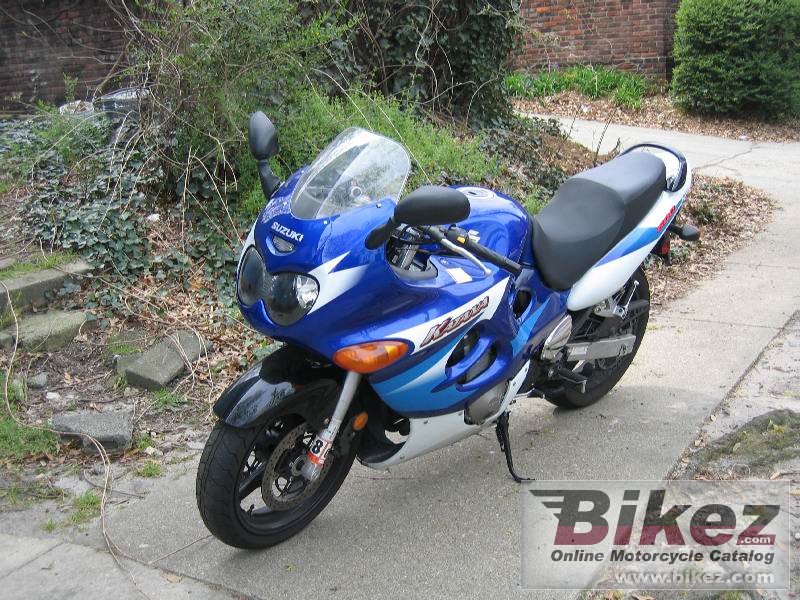
Both variants share a distinctive aesthetic, channeling the stealthy, angular lines reminiscent of the original Katana’s razor-edged design. The 2005 models flaunt sharp, purposeful styling without resorting to ostentation. This approach masks a perceptive engineering craftsmanship underneath: from the adjustable suspension setups to the meticulously sculpted ergonomics tailored to blend rider comfort with performance. The cockpit balances analog gauges with modest digital functionality, reflecting a period of technological transition without overwhelming the rider.
Technically, the Suzuki Katana twins were a curious blend of dated and contemporary. Equipped with fuel injection systems that enhanced throttle response and fuel economy—a feature gradually becoming ubiquitous—they retained a chain final drive and a conventional mid-section chassis design. While the suspension and braking systems were not revolutionary, they provided competent stopping power and handling dynamics for spirited rides. The lingering question remains: Did Suzuki aim for a timeless machine, deliberately eschewing overzealous performance metrics in favor of balanced rideability and classic appeal?
Critically, market perception played a formidable role in the Katana 600 and 750’s muted acclaim. The mid-2000s sportbike scene was saturated with machines showcasing radial brakes, inverted forks, aggressive bodywork, and cutting-edge electronics. Fast as they may have been, the Katanas’ restrained styling and conventional mechanicals rendered them somewhat camouflaged amidst the exuberance of their peers. The motorcycles were, perhaps, victims of their own reservation—being everything that riders needed, but not necessarily everything they craved to impress upon the scene.
In the years since, these Suzukis have accrued a particular mystique. Their robust but uncomplicated engines and reliable engineering have cemented a reputation for longevity and ease of maintenance—attributes often overshadowed in racing-centric discussions but cherished deeply in ownership culture. For collectors and riders who seek a blend of everyday practicality with flashes of excitement, the Katanas provide a compelling proposition.
Furthermore, their understated visuals have begun to resonate with a new generation of riders and customizers who prize subtlety over spectacle. The Katana lines lend themselves gracefully to personalization and modification, allowing each owner to extract a unique identity from a stock platform that was originally designed with tasteful moderation. This recontextualization underscores their potential not merely as relics, but as blank canvases for expression.
What then, seals the fate of the 2005 Suzuki Katana 600 and 750? Are these models destined to remain niche interests, or do they harbor the seeds of true classic status awaiting rediscovery? Perhaps their understated nature is precisely what will make them endure—unlike flashier contemporaries that burn bright and fade fast. The Katanas invite a reevaluation of what we value in motorcycles: not only outright speed or cutting-edge tech but the synthesis of style, reliability, and riding enjoyment.
Ultimately, the 2005 Suzuki Katana 600 and 750 challenge enthusiasts and critics alike to look beyond initial impressions and peer beneath the surface. Amidst a landscape of sportbikes screaming for attention, these machines whisper promises of understated excellence and loyal companionship on two wheels. Could it be that the true thrill lies not in racing to be seen, but in savoring the journey through roads less celebrated? The Katana’s story is far from etched in stone; its legacy might just be beginning to take shape.