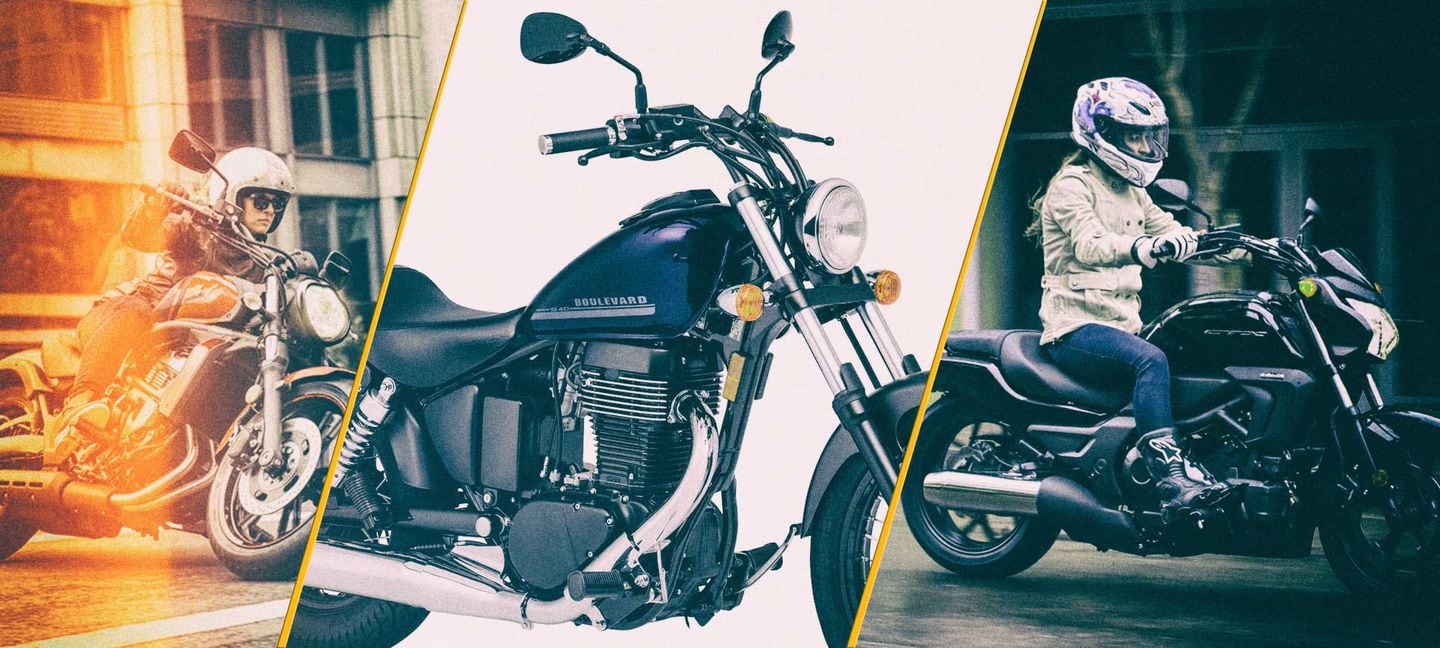
The year 2007 was a seminal period for cruiser motorcycles, a time when manufacturers fiercely competed for dominance in a category defined by power, style, and rider comfort. Among the memorable contenders were the Honda VTX1800, Kawasaki Vulcan 900, and Suzuki Boulevard—each of which brought its unique flavor to the cruiser segment. These three motorcycles not only stoked the passions of seasoned riders but also invited new enthusiasts to explore the pleasures of heavyweight cruisers. This detailed comparison sheds light on the nuances that distinguish these machines, focusing on performance metrics, design philosophies, ergonomics, and overall riding experience.
Engine and Performance
The engine is the lifeblood of any cruiser, and in this showdown, the VTX1800 commanded attention with its formidable 1795cc V-twin motor. This powerhouse was designed to deliver not just blistering torque but also refined delivery across the rev range. With a claimed output north of 110 horsepower and a monumental torque figure, the VTX1800 manifested as a bona fide muscle cruiser—capable of exhilarating acceleration and effortless highway cruising.
In contrast, the Kawasaki Vulcan 900 employed a more restrained 903cc V-twin engine. While not matching the raw horsepower of the VTX1800, the Vulcan’s motor was respected for its linear power curve and manageable torque, appealing to riders seeking a more versatile cruiser that excelled in both urban environments and open roads. Its fuel efficiency and lower maintenance demands further positioned it as an accessible option for a broad spectrum of motorcyclists.
The Suzuki Boulevard, available in various engine sizes under the “C” series for 2007, particularly the C90 variant, showcased a 1462cc V-twin engine that balanced power and control. It generated substantial torque with a smoothness that encouraged relaxed long-distance excursions. The Boulevard’s powertrain emphasized a seamless blend of tradition and modern engineering, establishing itself as a steady and reliable cruiser without overwhelming the rider.
Chassis and Handling
The VTX1800’s substantial size was matched with an equally robust frame that prioritized stability, especially at high speeds and when cruising on straights. However, its heft made it less forgiving in tight maneuvering scenarios. The long wheelbase and wide handlebars facilitated a commanding road presence but necessitated more physical input when weaving through traffic.
Conversely, the Vulcan 900 offered a lighter, more agile chassis with a relatively shorter wheelbase, making it notably nimble for a mid-sized cruiser. Its suspension allowed for a confident yet compliant ride, absorbing road imperfections without sacrificing cornering prowess. This agility made the Vulcan an appealing choice for riders who favored an engaging ride at moderate speeds and city navigation.
The Boulevard struck a middle ground, with a frame that provided ample strength and rigidity, ensuring rider confidence during highway tours. Its suspension system, tuned for comfort, reduced rider fatigue on extended trips. While not as agile as the Vulcan 900 in urban conditions, the Boulevard demonstrated competent handling characteristics that rewarded smooth inputs and steady rhythm.
Styling and Aesthetic Appeal
Styling in cruisers often reflects heritage and attitude, and each bike in this comparison projected a distinctive visual identity. The VTX1800 embraced an imposing presence, featuring bold, muscular lines accentuated by chrome detailing and a sculpted fuel tank. Its aggressive stance radiated power and dominance, appealing to riders drawn to anarchy on wheels combined with classic cruiser motifs.
Kawasaki’s Vulcan 900 adopted a more minimalist, functional approach, refraining from excessive adornment. Its design was clean, featuring matte finishes and subtle details that highlighted form following function. The Vulcan’s streamlined aesthetics catered to a rider demographic valuing understated elegance over flamboyance, underscoring the machine’s versatility.
Suzuki’s Boulevard blended classic cruiser cues with contemporary touches. Rounded fenders, wide seats, and expansive use of chrome harmonized with a sleek silhouette. The Boulevard’s visual composition spoke to both nostalgia and modern sensibilities, enticing riders wanting a bike rich in character yet not ostentatious.
Ergonomics and Rider Comfort
Comfort is paramount in the cruiser segment, especially for long-haul riding. The VTX1800’s ergonomics catered to riders of larger stature. The seat offered substantial cushioning and a commanding seating position, although the bike’s weight and stretched-out stance could induce fatigue during stop-and-go traffic or extended city rides.
The Vulcan 900’s ergonomics emphasized ease of use and rider-friendliness. With a lower seat height and relaxed reach to the controls, it welcomed riders of various sizes and skill levels. This accessibility contributed to its popularity among newcomers and those who preferred a more approachable cruiser experience.
The Boulevard provided a well-padded, wide seat paired with forward-set foot controls that encouraged a laid-back riding posture. Its design minimized strain on the lower back and joints, proving advantageous during lengthy journeys. The tactile interface—well-placed handlebars, grips, and pegs—allowed natural hand positioning, resulting in reduced rider fatigue.
Instrumentation and Features
Instrumentation in 2007 cruisers typically blended analog tradition with emerging digital conveniences. The VTX1800 featured a large, circular analog speedometer framed by auxiliary gauges that conveyed essential information succinctly. Supplementary gear indicators and fuel gauges augmented rider awareness, all arranged in a classic cluster that upheld cruiser aesthetics.
The Vulcan 900 favored simplicity. A single, large analog speedometer dominated the dash, accompanied by minimalistic indicator lights. This pared-down approach facilitated ease of reading at a glance without distraction.
The Boulevard incorporated a hybrid cluster combining an analog speedometer with a digital odometer and trip meter. This integration balanced classic styling with modern functionality, providing useful ride data without clutter or confusion.
Overall Riding Experience and Intended Use
The Honda VTX1800 was unequivocally a cruiser for riders pining for unrestrained power and the visceral thrill of commanding a heavy cruiser. It excelled on highways and open roads, where its grunt and weight transformed into stability and warrior-like presence. This bike demanded respect and effort, rewarding those who could harness its capabilities with a sense of raw dominance and authority.
Alternatively, the Kawasaki Vulcan 900 suited those who appreciated accessibility without sacrificing cruiser character. Its manageable size and smoother power delivery rendered it particularly well-suited for urban riders or those transitioning into the cruiser category. Its fuel efficiency and nimbleness made it a practical, everyday motorcycle that didn’t forfeit personality.
The Suzuki Boulevard’s niche lay in delivering a dependable and comfortable ride designed for both relaxed touring and casual cruising. With balanced power and ergonomic thoughtfulness, it was ideal for riders yearning for a transitional motorcycle that maintained cruiser heritage while accommodating modern expectations of comfort and reliability.
Conclusion
The 2007 cruiser segment bore witness to robust competition spearheaded by the Honda VTX1800, Kawasaki Vulcan 900, and Suzuki Boulevard—each distinct yet complementary in their approach to the cruiser ethos. Performance, handling, style, and comfort varied appreciably, crafting unique narratives for every kind of rider. Whether seeking brute strength, agile curb appeal, or harmonious comfort, these motorcycles offered well-rounded packages that justified their appeal. Ultimately, the decision rested on rider preferences and priorities, making this cruiser showdown a rich exploration of what motorcycling meant at the crossroads of tradition and innovation.