
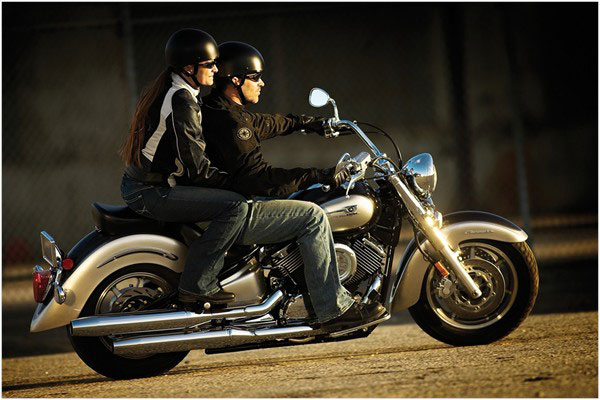
When it comes to classic cruisers that capture the spirit of the open road, the Yamaha V Star series has long held a cherished place among motorcycle enthusiasts. But within this revered lineage, a playful yet persistent quandary arises: does the 2007 Yamaha V Star 1100 or its larger sibling, the 1300, claim the throne as the superior cruiser? At first glance, the question might seem straightforward, tethered simply to engine displacement or raw power. Yet, as with all things motorcycle, the answer unfolds across a tapestry of nuances—ranging from mechanical prowess and ergonomic design to riding experience and aesthetic appeal. So, which one wins? Hold onto your helmet as we embark on a detailed exploration.
Both the 2007 Yamaha V Star 1100 and 1300 are embodiments of Yamaha’s dedication to crafting reliable, soulful cruisers. Their shared lineage is unmistakable: classic lines, low-slung chassis, and the unmistakable rumble of a V-twin engine—each a hymn to the cruiser ethos. However, beneath this veneer of similarity, key divergences seed the debate.
Let’s begin with the heart of any motorcycle—the engine. The V Star 1100 is propelled by a 1063cc air-cooled V-twin that delivers a commendable balance between power and manageability. Smooth yet torquey, the 1100’s engine is perfect for riders who savor that rhythmic pulse and the ability to navigate city streets with nimble agility. Its peak power output, though not titanic, is more than sufficient for spirited cruising and relaxed weekend rides.
In contrast, the 1300 steps boldly into the arena with a 1304cc air-cooled V-twin engine. This larger displacement booms with increased torque, granting riders a more assertive throttle response and a notably punchier acceleration. The 1300’s engine is less about subtlety and more about muscular character—ideal for those who crave a highway warrior capable of comfortably maintaining high speeds and conquering inclines with aplomb.
Performance metrics offer intriguing insights but do not tell the full story. The 1100’s lighter curb weight, approximately 610 pounds, contributes to its approachable nature and ease of handling, especially for newcomers or those preferring a more relaxed, playful ride. The 1300, tipping the scales closer to 675 pounds, demands a bit more respect but rewards with stability during long stretches and a confident presence on the asphalt.
Ergonomics also weave their influence into the outcome. Both models sport low seats—about 27 inches high—making them accessible to a wide range of riders. However, the 1300 edges slightly wider in terms of frame geometry, offering a more planted feel and accommodating larger riders more comfortably. The handlebar sweep and footpeg placement further contribute to differentiated riding postures, with the 1100 favoring a slightly more upright and casual stance, while the 1300 embraces a stretched, laid-back cruiser ergonomics.
Styling, often subjective yet undeniably vital, underscores each model’s appeal. The 1100 carries a classic cruiser aesthetic with clean lines, polished chrome accents, and a timeless silhouette. Its design leans towards tradition, catering to purists who revel in understated elegance. Meanwhile, the 1300 integrates similarly classic attributes but adds a subtle musculature through chunkier fenders and more pronounced tank contours, delivering a bolder visual statement without abandoning sophistication.
One might wonder about the practical considerations—fuel economy, maintenance, and accessory availability. The 1100 often boasts marginally better fuel efficiency, benefiting from the smaller engine’s frugal consumption without sacrificing the quintessential cruiser experience. Maintenance intervals and costs remain comparable across both models, influenced by Yamaha’s reputation for reliability and accessible parts. Moreover, the aftermarket scenes for both bikes flourish with a plethora of customization options, allowing riders to tailor their machines to personal whims.
But what about ride quality and suspension? The 1100 employs a telescopic front fork and dual shocks at the rear, delivering a compliant yet engaging ride that absorbs most urban imperfections with grace. The 1300 features a similar setup but with firmer tuning, optimizing for highway stability and long-distance comfort, making it an excellent touring candidate when paired with appropriate accessories.
Noise and exhaust character further differentiate these siblings. The 1100’s exhaust emits a more subdued yet sonorous note, inviting riders into a soothing auditory cocoon that complements relaxed cruising. The 1300’s exhaust, however, thunders more assertively, amplifying the sense of power and presence—aural fireworks that appeal to the adrenaline seeker within.
In the final analysis, determining the victor between the 2007 Yamaha V Star 1100 and 1300 hinges on the rider’s priorities and style. The 1100 shines in its balance of accessibility, classic charm, and nimbleness—ideal for those who appreciate a motorcycle as an extension of their everyday rhythms. The 1300, on the other hand, asserts dominance through enhanced power, highway composure, and a commanding aesthetic—tailored for riders who view their cruiser as a steadfast companion on more ambitious journeys.
Perhaps the greatest truth lies in the realization that each bike fosters a unique emotional connection, influenced by how its characteristics resonate with an individual’s lifestyle and riding philosophy. So, which one wins? The answer is delightfully subjective. Ultimately, the 2007 Yamaha V Star 1100 and 1300 each carve out their own niche, inviting riders to choose their own adventure, forge personal myths, and revel in the enduring romance of the open road.








In thinking about thinking about buying a V Star 1300 and selling my 1100 I was looking for comparisons. I read yours and am left wondering if you even looked at either bike. Just a couple things The 1300 is liquid cooled verses the air cooled 1100. The 1100 has a single shock in the rear, not two. Oh well. Maybe I can find a write up by someone who rode one bike or the other.