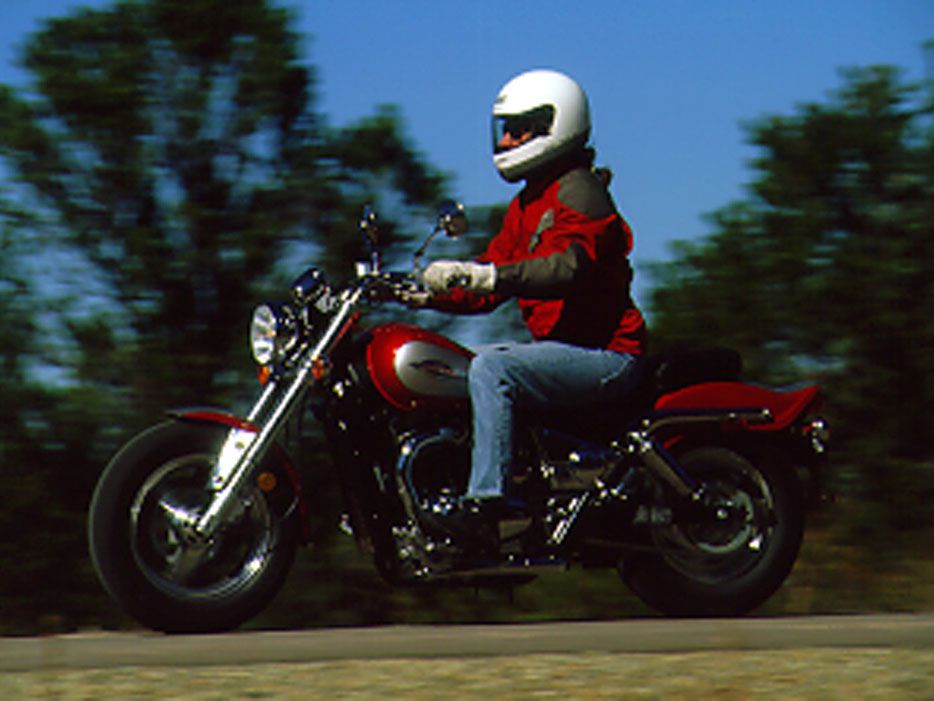
The cruiser motorcycle segment has long been a sanctuary for riders seeking a blend of style, comfort, and power. Among the prominent choices in this arena, the 2009 Suzuki Boulevard series stands out by offering two compelling models: the M50 and the M90. Both bikes encapsulate Suzuki’s philosophy of blending retro design with modern engineering. Yet, beneath the surface lies a multitude of distinctions that cater to different rider preferences and styles. This analysis explores the 2009 Suzuki Boulevard M50 and M90, outlining their design ethos, mechanical specifications, riding dynamics, and usability, providing an in-depth cruiser showdown for enthusiasts and prospective buyers alike.
Design and Aesthetic Appeal
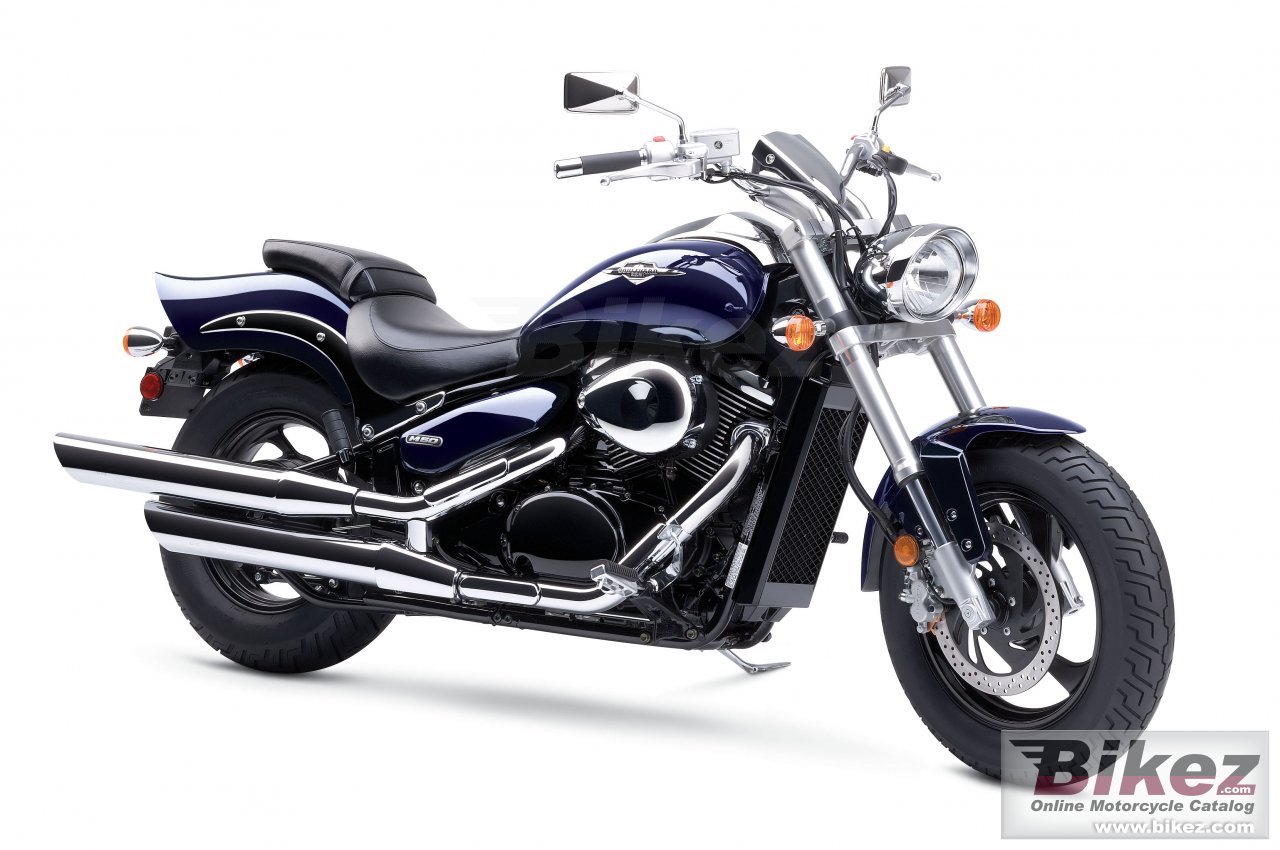
The Suzuki Boulevard lineup captures the essence of classic cruisers, but the M50 and M90 manifest this heritage through varying design languages. The M50 draws inspiration from the quintessential American cruiser, flaunting a minimalist, dark-edged aesthetic. Its deliberate blacked-out engine components, along with the contrast of chrome accents, create a sleek, stealth-like appearance. The motorcycle’s naked frame emphasizes simplicity and ruggedness, appealing to riders who prefer a stripped-back, no-frills cruiser vibe.

In contrast, the M90 adopts a bolder stance, larger and more muscular in its visual presentation. One of its defining characteristics is the prominent front end and larger fuel tank, which lend it an imposing road presence. The extensive chrome detailing embellishes the bike’s silhouette, balancing modern aggression with vintage elegance. Blue and other rich color variants, paired with sculpted tank and fender shapes, make the M90 a statement piece designed for riders who crave both aesthetics and authority on the road.
Engine and Performance Differentiations
The heart of any cruiser lies in its engine, and this is where the M50 and M90 diverge notably. The M50 is powered by an 805cc, liquid-cooled, V-twin engine, which delivers a commendable balance of power and fuel efficiency. This engine offers a smooth and responsive throttle, particularly conducive to city commuting and moderate highway touring. Its torque curve is amiable, providing sufficient grunt at low revs – ideal for relaxed cruising and urban maneuvering.
The M90’s powerplant, however, is a monster in comparison. Housing a 1462cc, liquid-cooled, V-twin engine, it asserts dominance both in capacity and output. This beast produces significantly higher torque and horsepower, enabling exhilarating acceleration and sustained high-speed cruising. Its robust displacement makes it well-suited for open-road performance, long-distance touring, and riders who demand muscular thrust without sacrificing refinement. The soundscape from the M90’s exhaust also manifests a deeper rumble, amplifying the visceral riding experience.
Chassis, Suspension, and Handling
Both models share a fundamental cruiser chassis configuration, but their nuances tailor the riding feel markedly. The M50 implements a lighter frame, promoting nimble handling and ease of maneuverability. Its suspension setup, incorporating conventional telescopic forks and dual shock absorbers, provides a comfortable yet composed ride. The bike’s overall geometry encourages a relaxed riding posture, making it ideal for urban traffic and twisty backroads.
Meanwhile, the M90’s chassis is designed to accommodate its larger engine and higher performance demands. Featuring beefier frame materials and suspension components, including adjustable rear shocks, it offers increased stability during high-speed runs and cornering. The longer wheelbase enhances straight-line stability but slightly compromises quickness in tight turns. Such attributes make the M90 preferable for riders prioritizing highway serenity and cruising stamina over agility.
Ergonomics and Rider Comfort
When it comes to ergonomics, both cruisers strive for rider comfort but differ in execution and intent. The M50’s seat height is modest, suited for a variety of rider statures, and its narrow profile facilitates easier ground reach. The handlebars are wide and slightly pull back, inviting an upright and relaxed posture. This setup reduces rider fatigue on shorter or moderate rides, reinforcing the motorcycle’s usability as a daily commuter.
The M90 steps up the comfort quotient with a broader, more cushioned seat and enhanced passenger accommodations. Cruiser aficionados often appreciate its wide, swept-back handlebars that allow for a stretched yet comfortable arm placement, suitable for longer journeys. Footpegs are positioned forward, complementing the bike’s laid-back vibe typical of bigger cruisers. Collectively, these features make the M90 an attractive choice for those who intend to cover long distances with minimal strain.
Technological Features and Instrumentation
Reflecting their era, the 2009 Suzuki Boulevard M50 and M90 offer straightforward yet functional instrumentation. Both feature analog speedometers complemented by digital odometers, providing essential ride information without clutter. Indicator lights for fuel, engine diagnostics, and other diagnostics are integrated cleanly into the dash area.
The M90 occasionally benefits from additional features in certain trims or markets, such as enhanced lighting systems or upgraded brakes. However, the core technological package remains fundamentally similar across both models, emphasizing simplicity and reliability over complexity. Riders looking for modern electronics like traction control or ABS would find these absent or minimally implemented, consistent with typical cruiser philosophies of the time.
Fuel Capacity and Range Considerations
Range is a pivotal consideration for cruisers given their proclivity for long-distance riding. The 2009 M50 sports a smaller fuel tank, approximately 3.8 gallons, which suffices for urban commuting and short highway jaunts. Combined with its efficient 805cc engine, the M50 achieves respectable mileage figures, reassuring budget-conscious riders of its practicality.
Conversely, the M90’s fuel tank capacity expands to around 5.0 gallons, corresponding with its larger engine and elevated fuel consumption. However, this increase helps mitigate more frequent refueling stops during extended tours. Riders planning multi-state or interstate journeys would appreciate this aspect, especially when paired with the M90’s more robust touring ergonomics.
Customization and Aftermarket Potential
Both motorcycles serve as excellent platforms for customization, a hallmark of cruiser culture. The M50 lends itself to subtle modifications such as aftermarket exhausts, custom handlebars, and seat replacements, aligning with a minimalist, personal aesthetic.
The M90, with its expansive framework and larger size, accommodates a wider array of aftermarket upgrades including windshields, saddlebags, performance exhaust systems, and comfort-enhancing accessories. This flexibility renders the M90 adept for riders who value personalization and the integration of touring-specific equipment.
Price Point and Market Positioning
At the time of their release, the M50 and M90 occupied adjacent yet distinct price segments. The M50 targeted riders seeking an accessible entry into cruiser motorcycling without compromising style or essential performance. Its cost-efficiency made it a favorite among newer riders and budget-conscious buyers.
The M90 commanded a premium reflecting its larger engine, superior performance, and enhanced features. Positioned as a middleweight cruiser capable of competing with heavyweight rivals, it appealed to seasoned motorcyclists who desired more power and a commanding road presence without stepping into the heavy cruiser category.
Conclusion
The 2009 Suzuki Boulevard M50 and M90 both exemplify Suzuki’s dedication to crafting motorcycles that merge tradition with innovation. Their divergences—be it in design, engine capacity, comfort, or target rider profile—highlight the brand’s intent to cater to a broad spectrum of cruiser enthusiasts. The M50 is commendable for its approachable size, agile handling, and economical performance, perfect for riders yearning for classic aesthetics and urban versatility. In contrast, the M90 offers a larger-than-life experience, boasting power, stability, and touring capability that command respect on open roads.
Choosing between these two models ultimately hinges on individual preferences and intended usage. The M50’s understated charm and maneuverability serve well for daily riding and shorter excursions, whereas the M90’s bold persona and enhanced comfort invite spirited cruising and long-haul adventures. Both motorcycles uphold the cruiser ethos, translating the soul of motorcycling into tangible form with style and substance. In the 2009 cruiser showdown, it is less a question of superiority and more about matching the bike to the journey ahead.