When it comes to the realm of cruisers, the 2010–2011 lineup from Harley-Davidson, Yamaha, and Kawasaki invites a tantalizing question: which manufacturer truly masters the art of combining classic styling with modern performance? This interrogative challenges biker aficionados and industry insiders alike, prompting a deep dive into the nuances that distinguish each contender. The cruiser segment, steeped in tradition yet ever-evolving, offers a fascinating stage where muscle meets finesse, and nostalgia embraces innovation.
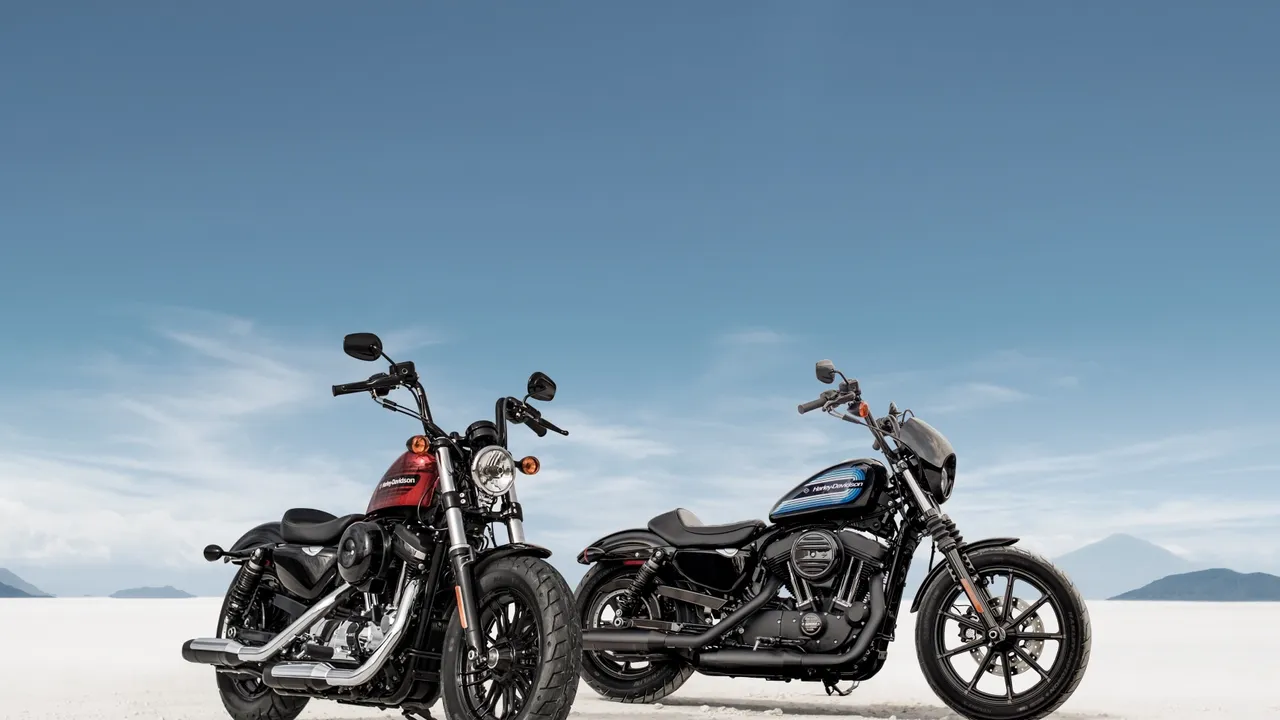
First, cast your eyes upon Harley-Davidson, the archetype of American cruisers. In the 2010–2011 period, models like the Harley-Davidson Dyna Glide and Softail series upheld the brand’s timeless ethos—robust V-twin engines, raucous exhaust notes, and unmistakable silhouette. Harley’s powertrains during this era boasted the Twin Cam 96B engine, delivering approximately 96 cubic inches (or 1584cc), offering riders a muscular yet refined torque curve optimized for low-end grunt. The palpable heft of these machines, often tipping the scales well over 650 pounds, provided a grounded, planted feel ideal for highway cruising. But was sheer presence and tradition enough to vanquish the competition?
Enter Yamaha’s Star line, particularly the V Star 950 and Roadliner models. Yamaha approached the cruiser challenge with an emphasis on accessibility and value without sacrificing soul. Their 942cc air-cooled V-twin engines, although smaller compared to Harley’s big twins, featured a modern design aimed at smoother rideability and lower emissions. The V Star 950 exemplified the balance between user-friendly ergonomics and nostalgic cruiser styling, making it an appealing choice for newcomers and seasoned riders alike. Does an emphasis on rider comfort and a slightly lighter profile tip the scales in Yamaha’s favor against the burly behemoth of Harley?

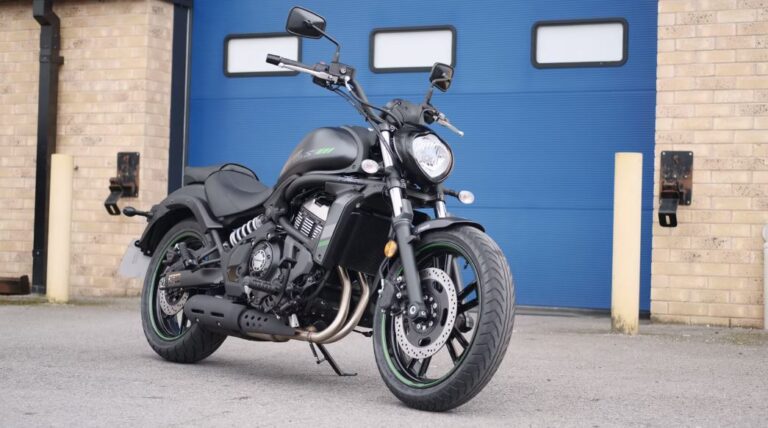
Kawasaki’s entry, the Vulcan series, showcased a distinct blend of power and progressive engineering. Models like the Vulcan 900 Classic and the Vulcan 1700 Nomad carved an audacious niche, merging traditional cruiser aesthetics with modern chassis dynamics. The Vulcan 900’s 903cc liquid-cooled V-twin engine struck a middle ground, offering a harmonious mix of torque and smoothness suitable for urban and open road escapades. In contrast, the Vulcan 1700 Nomad, utilizing a massive 1700cc engine, confronted Harley’s dominance with aggressive displacement and contemporary features such as shaft drive and advanced braking systems. Could Kawasaki’s fusion of technological refinement and cruiser heritage represent the future’s vanguard in the cruiser wars?
Delving deeper into the design ethos, each manufacturer wielded distinctive philosophies. Harley-Davidson, the purist, clung to traditional air-cooled engines and classic aesthetic embellishments—spoke wheels, teardrop tanks, and chrome profusion that whispered of decades past. Yamaha’s Star motorcycles sported subtle contemporary flourishes, employing dual shock absorbers and restrained, yet deliberate, use of chrome to evoke a timeless feel without excess. Kawasaki pursued a more muscular stance with aggressive lines, darker finishes, and functional components engineered to withstand spirited riding conditions. The thematic divergence among these cruisers paints not just a technical contest but a cultural one.
Rider ergonomics, a critical axis in the cruiser realm, also distinguished these machines markedly. Harley’s broad, spacious seats and wide-set handlebars promised comfort for lengthy jaunts yet perhaps at the sacrifice of nimbleness in traffic. Yamaha’s V Star models, often lauded for adjustable seats and forward foot controls, endeavored to provide a customizable experience to suit diverse riders. Kawasaki, straddling the line between power cruiser and traditional cruiser, delivered a cockpit configuration that encouraged an assertive riding posture without compromising relaxation. As a result, selecting among them wasn’t merely a matter of engine specs but a question of human-machine synergy.
The sonic signature further illuminates the rivalry. Harley’s exhausts emit a deep, throaty rumble, a trademark heralding its heritage and the communal spirit of riders united by sound. Yamaha and Kawasaki, constrained by evolving noise and emission regulations, sculpted exhaust notes that balanced character with compliance. Yamaha’s characteristic V-twin burble had a mellower tone, while Kawasaki’s larger displacement Vulcans offered a gruffer, more aggressive growl, though not quite as iconic as Harley’s pulse. The audibility of each bike evokes unique emotions and arguably can sway a rider’s allegiance.
Technology incorporation also formed a subtle terrain of contention. While Harley-Davidson maintained a somewhat conservative technological stance during these seasons, favoring mechanical simplicity, both Yamaha and Kawasaki explored more advanced braking systems, fuel injection refinements, and chassis improvements. Kawasaki’s Vulcan 1700 Nomad dazzled with features such as integrated hard saddlebags, fairing options, and shaft drive, blending cruiser tradition with practical innovation designed for long-distance touring. Yamaha’s evolving fuel injection systems and ergonomics further evidenced the brand’s commitment to rider-friendly advancements. Do these incremental but meaningful enhancements foreshadow the trajectory of cruiser evolution?
Considering performance metrics, pure numbers must be contextualized. Harley’s larger displacement engines naturally generated formidable torque figures, fostering effortless acceleration at moderate engine speeds. Yamaha’s smaller V-twins sacrificed peak output for agility and fuel efficiency, positioning itself as a pragmatic choice for urban riders or those entering cruiser ownership. Kawasaki strategically offered a versatile spectrum: the Vulcan 900 providing balanced mid-range performance and the Vulcan 1700 catering to riders craving big-bike exhilaration with contemporary amenities. This stratified approach rendered the segment more accessible yet competitive.
Let’s not overlook the intangibles—the allure of brand identity and rider community. Harley-Davidson’s unparalleled cultural cachet imparts an almost mythic status, bolstered by an extensive dealer network and a loyal following manifested in local motorcycle clubs and global rallies. Yamaha, while less entrenched in American cruiser lore, earned respect through reliability, versatility, and sensible pricing. Kawasaki’s reputation for engineering prowess and sportbike heritage infused its cruiser lineup with a dynamic edge that appealed to riders seeking something less orthodox yet thoroughly capable.
In the crucible of 2010–2011 cruiser offerings, the showdown between Harley, Yamaha, and Kawasaki was more than a mere comparison of specifications. It was a multi-dimensional contest involving heritage versus innovation, muscle versus maneuverability, and mythos versus modernity. The question posed at the outset finds its answer not in absolutes but in personal predilections. Are you a traditionalist enthralled by the thunderous heartbeat of an American V-twin? Or does the calculated composition of Yamaha’s accessible Star line resonate with your riding philosophy? Perhaps Kawasaki’s progressive Vulcan models appeal as an audacious statement blending heritage with contemporary flair.
Ultimately, this triad enriches the cruiser landscape, offering riders a diverse palette from which to select their iron steed. The rivalry spurs continuous refinement, ensuring that the cruiser category remains vibrant and multifaceted. Whether carving serene highways or navigating congested city streets, these motorcycles extend invitations—not just to ride but to experience the intoxicating romance of the open road, framed by the distinctive voices of Harley, Yamaha, and Kawasaki.