In the vast and ever-evolving realm of motorcycles, certain models endure beyond the flux of trends and technological leaps. The 2004 Honda Rebel 250 is one such example, a motorcycle that continues to inspire intrigue among novices and seasoned riders alike. This compact cruiser, celebrated for its nostalgic design and approachable performance, poses an intriguing question: is the 2004 Honda Rebel 250 still worth it today? Delving into its design, performance, practicality, and cultural standing reveals a multifaceted perspective that helps enthusiasts and potential buyers make informed decisions.
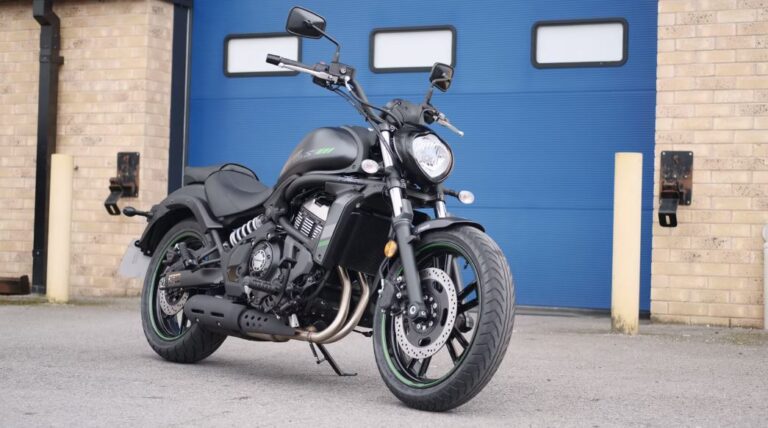
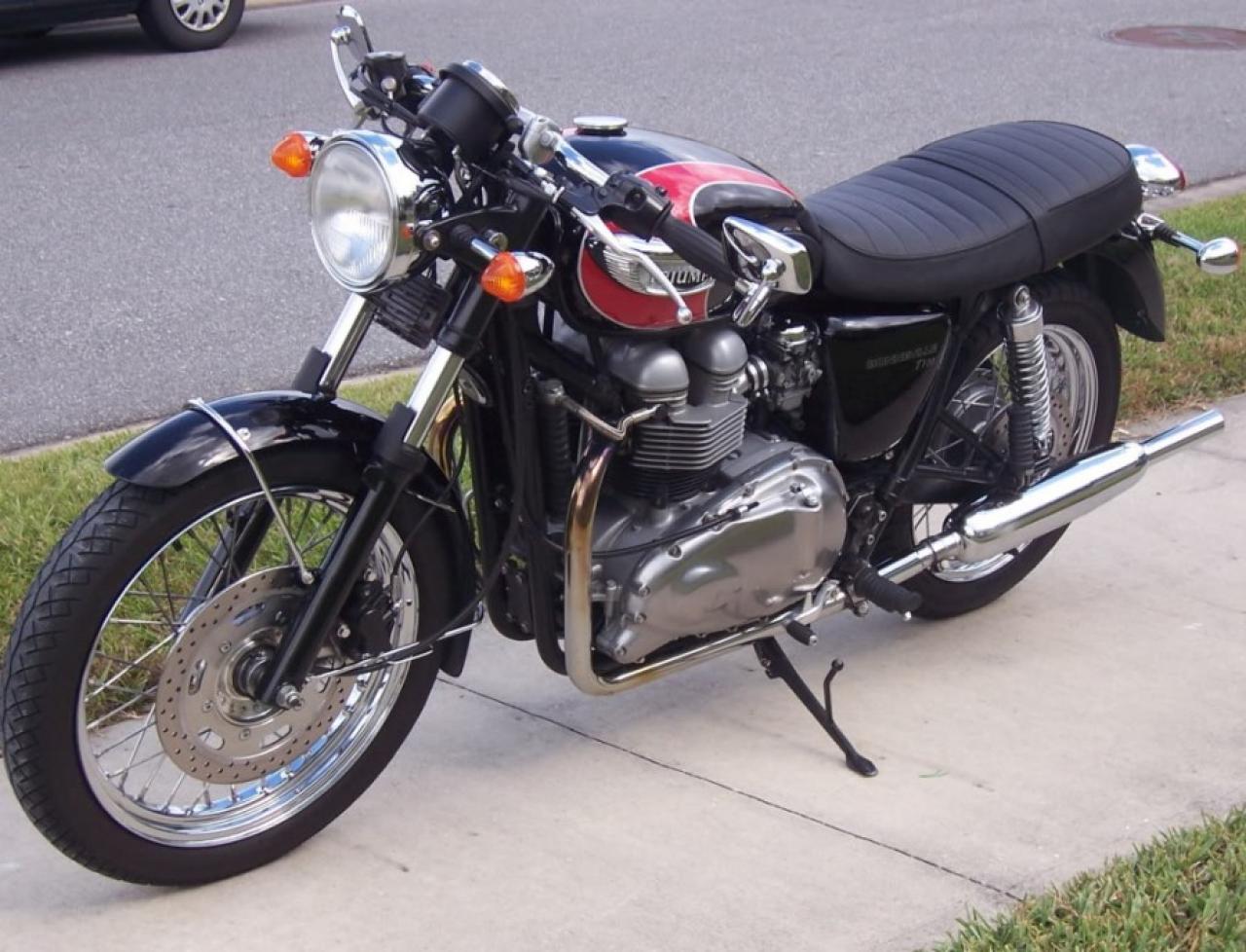
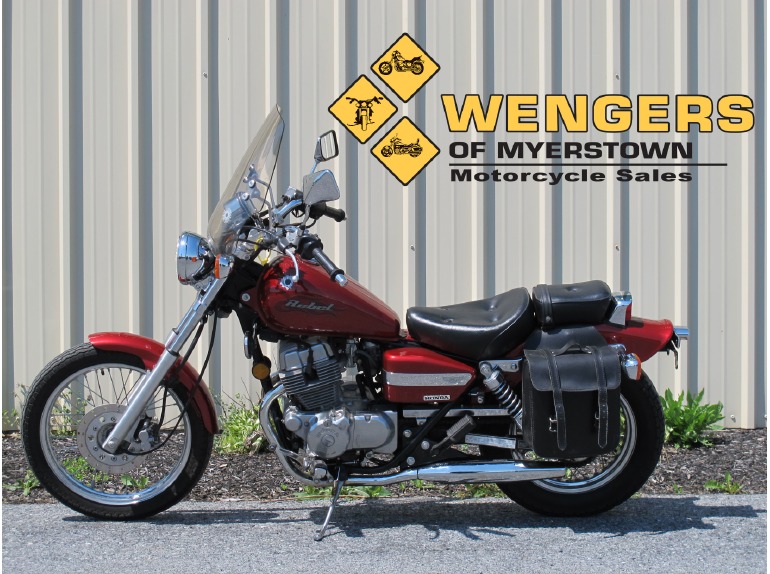
The 2004 Honda Rebel 250 embodies a harmonious blend of classic cruiser aesthetics with a reliable and manageable engine. Its design is an unpretentious homage to traditional motorcycle styling—minimalistic yet evocative. The low-slung frame, teardrop-shaped fuel tank, and uncluttered lines captivate those drawn to the vintage cruiser ethos. This bike does not overwhelm with complexity or ostentation; instead, it offers a sense of simplicity and mechanical honesty. This restrained elegance enhances both its visual charm and functional ergonomics.
Underneath its minimalist exterior lies a 234cc parallel-twin engine, air-cooled and carbureted, which ensures a smooth and steady power delivery. While its displacement might seem modest when juxtaposed against modern superbikes, this engine size is particularly suited for beginners, city commuting, and leisurely rides along winding roads. The Rebel’s engine delivers around 16 horsepower, which may not shatter speed records but excels in predictability and ease of handling. The torque curve is forgiving, allowing riders to confidently modulate throttle input without abrupt reactions, making it an exemplary choice for those learning to ride.

The motor’s carburetted nature provides a tactile experience seldom found in contemporary fuel-injected motorcycles. This characteristic demands periodic attention, offering the mechanically inclined a gratifying blend of routine maintenance and hands-on engagement. While this may deter some who favor modern convenience, it endears the Rebel to those who appreciate the art of motorcycle upkeep. Additionally, the simplicity of its mechanical layout often translates into lower repair costs and greater resilience in less-than-ideal riding conditions.
Ergonomically, the 2004 Honda Rebel 250 excels in providing a comfortable and accessible riding posture. Its low seat height, often measuring at roughly 27 inches, caters to a wide range of riders, including those of shorter stature or beginners intimidated by taller bikes. The wide, swept-back handlebars further contribute to an upright and relaxed riding stance, reducing rider fatigue on longer journeys. The suspension system, while basic, effectively absorbs minor road imperfections, resulting in a serenely smooth ride across urban landscapes or country byways.
One of the most compelling aspects of the Rebel is its versatility. It accommodates novice riders, returning enthusiasts seeking an uncomplicated motorcycle, and even experienced motorcyclists who desire a nimble second bike for practical errands or casual weekend rides. Despite its modest size, the Rebel can carry light loads gracefully and offers reasonable fuel efficiency, adding to its appeal as a commuter’s companion. Its manageable weight, often under 350 pounds, allows for easy maneuvering, making parking and slow-speed handling remarkably straightforward.
In terms of aftermarket support and community engagement, the 2004 Rebel continues to thrive. The motorcycle’s longstanding popularity has fostered a robust ecosystem of parts suppliers, customization options, and enthusiast groups. Riders can personalize their Rebels with a myriad of accessories—ranging from custom seats and exhaust systems to vintage-inspired lighting—thereby tailoring the bike’s aesthetic and performance to individual preferences. This thriving culture breathes life into the model, keeping it relevant and cherished among motorcyclists who value character over cutting-edge technology.
Yet, the 2004 Honda Rebel 250 is not without limitations. Potential buyers must recognize its inherent constraints in highway performance due to its smaller engine displacement and modest top speed. On extended interstate trips, it may struggle against faster traffic flows and crosswinds, necessitating cautious route planning. Additionally, the absence of modern safety features such as anti-lock braking systems (ABS) and advanced traction controls may deter riders seeking heightened protective measures. However, for urban settings and shorter excursions, these factors bear less significance.
Moreover, environmental standards have evolved significantly since 2004, and while the Rebel’s emissions comply with regulations of its era, it falls short of contemporary norms. Prospective owners who prioritize eco-consciousness might consider this aspect when evaluating the bike’s long-term viability. That said, its fuel economy remains commendable, and with proper maintenance, the 2004 Rebel has the potential to offer years of economical and enjoyable transportation.
In the grand tapestry of motorcycles, the 2004 Honda Rebel 250 presents an alluring proposition—a motorcycle that prioritizes simplicity, user-friendly operation, and timeless style over raw power or cutting-edge electronics. It resonates especially with riders seeking an approachable gateway into motorcycling or those who appreciate a machine that embodies authenticity rather than excess. While it may not eclipse modern sportbikes in performance or feature set, its enduring charm and functional virtues ensure that it remains a relevant and cherished option.
Ultimately, whether the 2004 Honda Rebel 250 is still worth it today depends largely on the rider’s individual expectations and intended use. For those who favor a lightweight, reliable cruiser with a storied lineage and a welcoming demeanor, it serves as a compelling choice. Its combination of accessible power, classic design, and practical ergonomics forge a motorcycle that transcends generational divides. Its persistent presence on the roads is a testament to its enduring appeal—a quiet reminder that sometimes, simplicity and sincerity in engineering yield the most rewarding riding experiences.