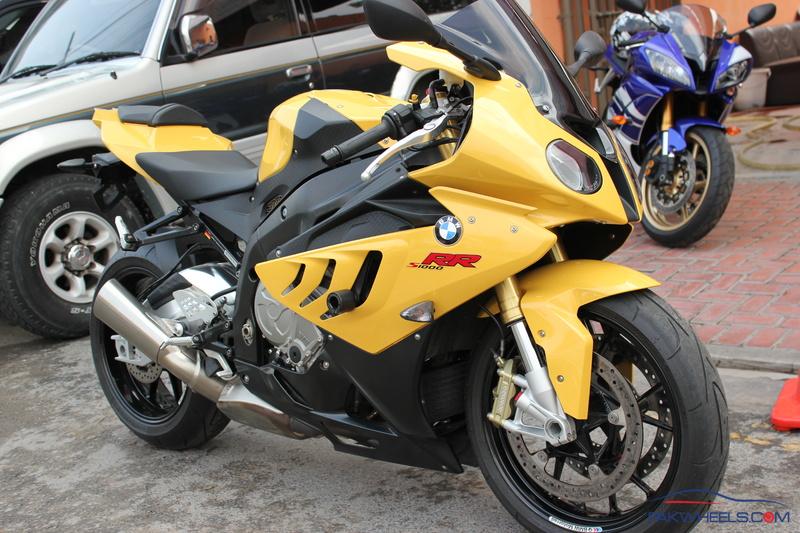
The 2011 BMW S1000RR represents a pivotal chapter in the evolution of superbikes, a machine that captured the imagination of riders and enthusiasts alike with its innovative engineering and uncompromising performance. Upon first glance, the S1000RR’s aggressive aesthetics and aerodynamic lines immediately invoke a visceral response—a blend of admiration and exhilaration. This response is far from superficial; it speaks to a deeper intrigue regarding the intersection of technology, design, and the visceral thrill of speed. The fascination with the S1000RR transcends mere mechanics, delving into the emotional connection riders forge with a machine that redefines the limits of possibility on two wheels.
Introduced as BMW’s inaugural entry into the liter-bike superbike category, the 2011 S1000RR didn’t merely mark a new model—it heralded a revolution. At a time when superbike dominance was fiercely contested by established giants, BMW’s foray was met with both skepticism and curiosity. The remarkable feat here lies not just in the technical specifications but in the subtle mastery of innovation that integrated cutting-edge technology without sacrificing rideability. From the outset, the S1000RR delivered an extraordinary synthesis of power, precision, and reliability—a combination that set new standards in the hyper-competitive superbike segment.
One cannot discuss the 2011 S1000RR without a thorough analysis of its engineering marvels. Equipped with a formidable 999cc inline-four engine, the bike produced an impressive 193 horsepower at 13,000 rpm and a torque peak of 83 lb-ft at 9,750 rpm. These figures alone evoke awe, yet the engine’s character was crafted to provide linear, accessible power delivery, enhancing control even at the threshold of performance. The seamless marriage of raw power and finesse underscores why riders found it uniquely exhilarating yet manageable, catering to both seasoned veterans and ambitious newcomers.
The technological advancements embedded within this model contributed substantially to its allure. Among its groundbreaking features was the implementation of a sophisticated Electronic Rider Aid System, including Dynamic Traction Control (DTC). This system was not merely a gimmick but a critical safety and performance tool that allowed riders to exploit the bike’s full potential with enhanced confidence. The adjustable anti-lock braking system (ABS), another pioneering element, offered superior modulation under extreme conditions—helping avert mishaps that previously impeded aggressive riding or competitive racing scenarios.
Furthermore, the weight-conscious design philosophy played an instrumental role. The use of a lightweight aluminum frame alongside meticulous component selection resulted in a remarkably balanced chassis that weighed a scant 204 kilograms (approximately 450 pounds) fully fueled. This featherlight framework yielded exceptional agility and responsiveness, factors that contributed to the bike’s phenomenal handling reputation. The synergy between frame rigidity and flexible suspension geometry allowed the S1000RR to carve corners with an almost telepathic precision, elevating rider confidence in both street and track settings.
The S1000RR’s distinctive asymmetrical fairing design was not only a stylistic statement but a purposeful engineering choice. The asymmetric vents and air intakes optimized the cooling of critical components such as the radiator and engine, ensuring peak performance under strenuous conditions. Moreover, these design traits contributed to the bike’s unmistakable identity, making it instantly recognizable amidst a sea of competitors. Such visual audacity complemented the performance virtues, generating a holistic sensory experience—from the vivid sonic roar of the engine to the tactile feedback through handlebars and footpegs.
Beyond hardware, the allure of the 2011 S1000RR is deeply anthropological. It embodies a paradox that attracts aficionados—a machine of cold, precise engineering that incites passionate engagement. This paradox hints at a broader cultural phenomenon where machines like the S1000RR symbolize freedom, mastery, and the relentless pursuit of perfection. Enthusiasts admire not just the bike’s raw numbers but its narrative: a story of engineering prowess meeting human endeavor. It encapsulates the primal yet sophisticated desire to conquer limitations—whether those be technological or personal.
This superbike’s impact on the motorcycling community also reflects on its role as a catalyst for competition and inspiration. Its arrival spurred rival manufacturers to innovate aggressively, pushing the industry toward more sophisticated electronics, lightweight materials, and refined ergonomics. The S1000RR was not merely a participant; it was a disruptor, challenging conventions and setting a benchmark that elevated the entire superbike category.
In the realm of motor sport, the 2011 S1000RR quickly established itself as a formidable contender. Its advanced rider aids and robust mechanical platform appealed to racers seeking a competitive edge. The bike’s balance of speed, control, and durability yielded numerous victories across various championships, proving that it was not just a technological showcase but a battle-hardened performer. These accomplishments further deepened the reverence within the riding fraternity, confirming that fascination was rooted in substantial, tangible excellence.
Yet, what sustains the enduring fascination with the 2011 S1000RR is its embodiment of a sublime experience—one that transcends mere utility. It serves as a conduit for the intangible thrill of velocity, the thrill of carving razor-sharp lines through asphalt, and the almost meditative focus demanded by high-speed riding. The bike’s dynamic responsiveness provides a dialogue between rider and machine, a partnership where intuition and engineering merge seamlessly. This intangible synergy is perhaps the deepest reason behind the lasting allure; it is the allure of mastery, of harnessing the untamed force with grace and precision.
In retrospection, the 2011 BMW S1000RR stands as a landmark in superbike history, a machine that elevated perception and performance to new heights. Its legacy is multifaceted, impressive not only for its raw specifications but for the intricate layering of design, technology, and rider experience. The fascination it commands is not ephemeral; it is woven into the fabric of motorcycling culture, a testament to the continual quest for speed, innovation, and transcendence. As riders reflect on what makes the S1000RR extraordinary, they are reminded of a profound truth—true fascination arises where engineering excellence meets human aspiration.
In sum, the 2011 BMW S1000RR was far more than an introduction; it was a declaration. A declaration that the superbike revolution was relentless and that innovation, when executed with passion and precision, could redefine the boundaries of what is possible. Today, it remains a symbol of that era’s bold ambitions and a touchstone for riders who seek the ultimate fusion of technology, performance, and visceral excitement. The fascination it inspires endures, inviting new generations to explore the exhilarating possibilities that lie at the intersection of man and machine.