As the world of motorcycling evolves, riders are constantly on the lookout for innovations that enhance safety, convenience, and enjoyment. One such revolutionary advancement is Adaptive Cruise Control (ACC). You might be wondering, how does this technology work on motorcycles, and more crucially, does it really improve rider experience? As with any emerging technology, there are benefits, but also potential challenges. Let’s explore the intricate dance between innovation and tradition in this thrilling domain.
What is Adaptive Cruise Control?
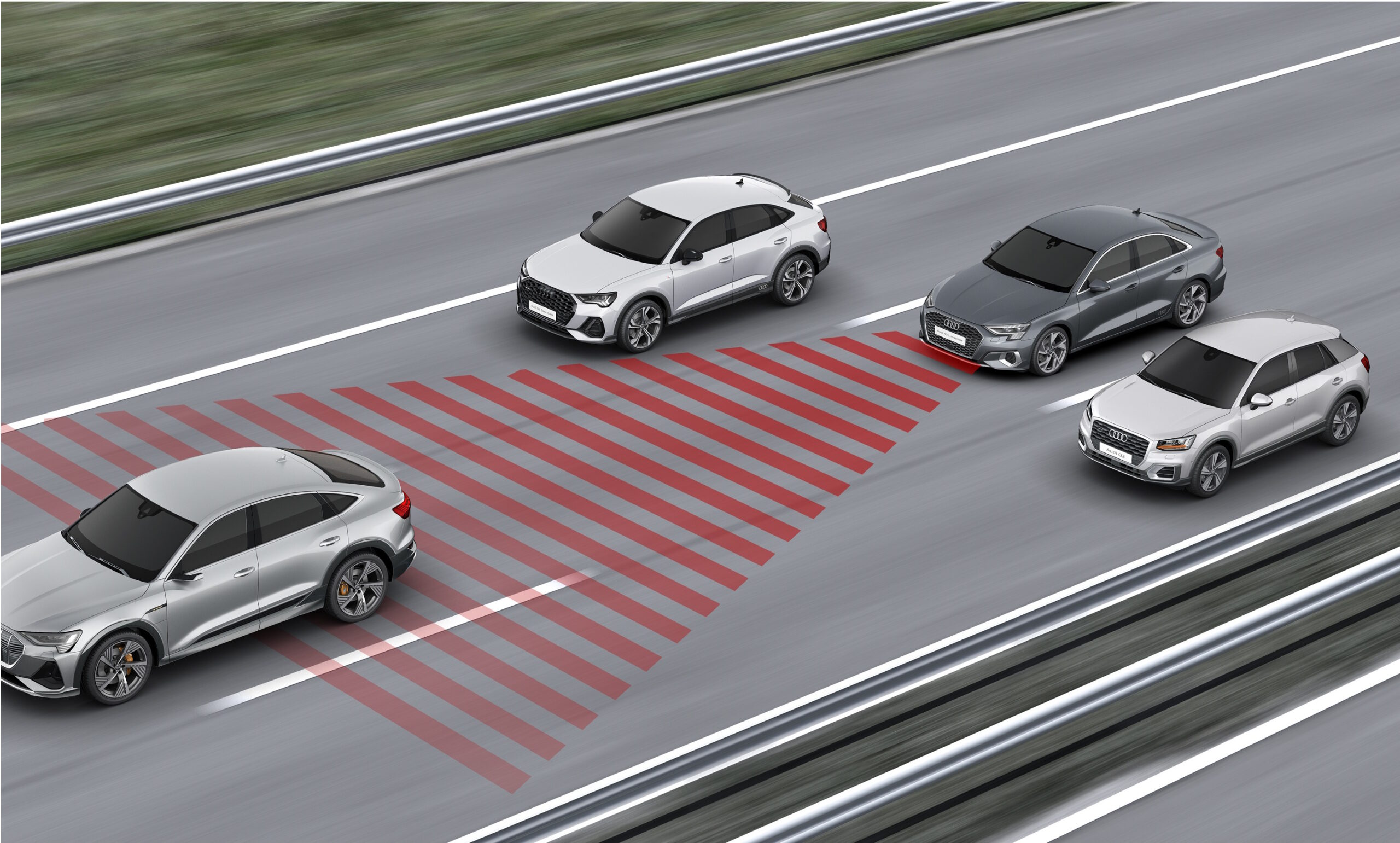
Adaptive Cruise Control is a sophisticated technological feature that automatically adjusts a motorcycle’s speed to maintain a safe following distance from vehicles ahead. Unlike traditional cruise control, which simply maintains a preset speed irrespective of surrounding traffic, ACC actively monitors speed variations and intervenes as necessary. This not only enhances comfort during long rides but also mitigates the risk of collisions caused by sudden braking or erratic traffic flows.
The Evolution of Rider Assistance Technologies
Historically, riders have relied solely on their skills and instincts. However, the advent of electronic systems has transformed the landscape. What began as basic anti-lock braking systems (ABS) and traction control has burgeoned into a plethora of assistance technologies. Today, advanced systems such as cornering ABS, tire pressure monitoring systems, and electronic stability control work in harmony to elevate rider safety and performance.
Rider assistance technology is evolving rapidly. Manufacturers are increasingly integrating ACC into their motorcycles. The deployment of this technology is not just a fleeting trend; it’s a significant leap towards making motorcycle riding more accessible and secure, especially for less experienced riders.
How Does Adaptive Cruise Control Work on Motorcycles?
Adaptive Cruise Control utilizes a combination of radar and sensors to gauge the proximity of vehicles ahead. By employing these sensors, the system can detect changes in speed and distance, automatically adjusting the motorcycle’s throttle and brakes to maintain the desired speed relative to the vehicle in front. This feature is particularly invaluable in stop-and-go traffic, where constant acceleration and deceleration can be tiresome and hazardous.
The Advantages of Adaptive Cruise Control
The introduction of ACC comes with a myriad of advantages:
- Enhanced Comfort: Long rides can become significantly more comfortable. Riders can relax their grip on the throttle and enjoy the scenery without the incessant task of maintaining speed.
- Improved Safety: By maintaining a safe distance from vehicles, riders are less susceptible to rear-end collisions. This addition can dramatically reduce rider anxiety, especially during urban commuting.
- Encouragement for New Riders: With safety features like ACC in place, less experienced riders may feel emboldened to take to the roads, potentially expanding the motorcycling community.
Potential Challenges of Adaptive Cruise Control on Motorcycles
Yet, as with any technological marvel, ACC comes with its own set of challenges. Are we perhaps becoming overly reliant on technology in a pursuit that has traditionally been about skill and intuition?
- Over-Reliance on Technology: The simplicity of ACC might lead to a false sense of security. Riders may underestimate the need for vigilance. While ACC is effective, it is not infallible.
- Weather Limitations: The effectiveness of ACC is hampered in adverse weather conditions. Rain, fog, or snow can obscure sensors and impede their functionality, necessitating full rider engagement.
- Cost Considerations: Integrating ACC refers to the costs associated with development and maintenance. These advancements are often reflected in the price of the motorcycle, which may deter some potential buyers.
Future Directions for Rider Assistance Technologies
As manufacturers push the envelope of what’s achievable, the future of rider assistance seems bright. Soon, one can imagine a world where motorcycles seamlessly interact with each other to create a dynamic communication system. Enhanced versions of ACC might one day allow riders to set their preferences, creating a tailored riding experience that balances safety and thrill.
Furthermore, the integration of artificial intelligence could lead to self-learning systems that adapt to individual riding styles over time. This raises a tantalizing question: will the very essence of motorcycling change as systems become more intuitive, and will future generations even need to learn the same skills that current riders have honed?
Conclusion
Ultimately, Adaptive Cruise Control represents a significant advancement in rider assistance technology, transforming the way motorcyclists interact with their environment. While it presents notable advantages, fostering safety and comfort, the accompanying challenges prompt critical introspection regarding our reliance on such systems. Are we ready to embrace these changes, or do we risk losing the fundamental joy of riding? As we look ahead, riding with ACC could signify not just an evolution in technology, but also a profound shift in the culture of motorcycling itself.