In the vast expanse of American engineering, where traditional motorcycle design reigns supreme as the titans of the open road, a renaissance of innovation is emerging from the shadows. This is not merely a tale of speed or power, but rather a fascinating journey through the landscape of alternative motorcycle engineering, where creativity dances hand-in-hand with functionality. These innovations are akin to a phoenix rising from the ashes of conventionality, breathing fresh life into a beloved form of transport.
At the crux of this transformation lies an eclectic mix of technology and artistry, where visionary thinkers are redefining what it means to ride. Often viewed as the domain of rugged individualism and rebellion, motorcycles are now morphing into representations of sustainable design and avant-garde technology. The shifts in materials, power sources, and engineering philosophies are contributing to a metamorphosis that is as profound as it is exciting.
One of the pioneers in this movement is the advent of electric motorcycles, which could easily be likened to the quiet storm of innovation. Unlike their gas-guzzling predecessors, electric bikes embody silence, agility, and a profound commitment to sustainability. American companies, such as Harley-Davidson with their LiveWire and Zero Motorcycles, have embarked on this journey, aiming to reconcile the exhilarating freedom of riding with environmental stewardship. These electric beauties not only offer remarkable torque and instant acceleration but also redefine the very essence of the motorcycle experience, allowing riders to carve smooth lines through urban landscapes, whispering rather than roaring their presence.
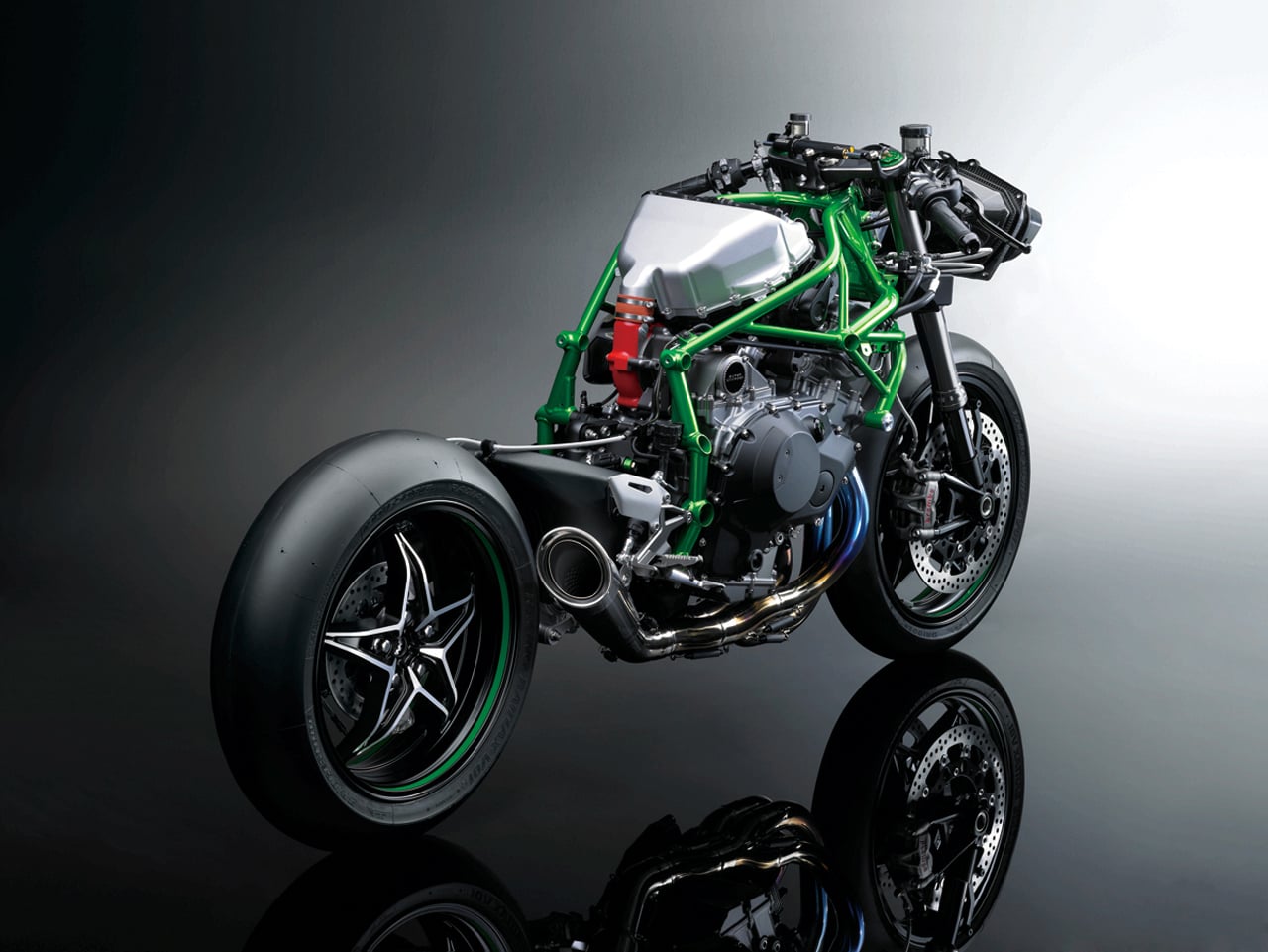
Yet, the revolution does not end with electric power. The advent of alternative materials has sparked a renaissance in motorcycle aesthetics and performance. Carbon fiber, aluminum alloys, and even advanced composites are replacing traditional steel and iron in frame construction. This shift represents not just a modernization of materials but a philosophical reawakening. Riders are now embracing lighter, more durable motorcycles that enhance agility while contributing to fuel efficiency. The motorcycle becomes, in this regard, a featherweight gladiator, agile and poised for battle while maintaining a resilience that can weather the test of time.
Another captivating facet of this alternative engineering landscape is the emergence of modular motorcycle designs. In this realm, personalization knows no bounds. Concepts like the Riker and the Scrambler offer riders a canvas upon which to paint their unique tastes and needs. They provide the freedom to customize, alter, and adapt their machines to reflect individual identities—akin to tailoring a bespoke suit rather than purchasing off-the-rack. The modular design invites enthusiasts to become part of the engineering process, fostering a sense of community and camaraderie among riders who share a passion for innovation.
Furthermore, the confluence of technology and motorcycle engineering has ushered in a digital revolution, wherein motorcycles are not merely machines but sophisticated companions. Advanced instrumentation, connectivity features, and smart technology have introduced an unprecedented layer of interaction. Motorcycles now come equipped with intuitively designed displays that not only monitor performance metrics but also integrate navigation systems and communication devices. Such bikes serve as the modern-day chariots of the gods, enhancing the rider’s capabilities and ensuring safety on the tumultuous path of the open road.
Moreover, the fascination with alternative engineering has spurred a movement toward sustainability in the design and assembly process. Many manufacturers are beginning to implement regenerative braking systems and renewable energy sources, moving towards a carbon-neutral footprint in production. This transition serves to reshape the motorcycle not only as a mode of transportation but also as a statement of environmental responsibility. Riders are becoming stewards of the planet, where each journey taken is a pledge to care for the roads they traverse.
The expansion of alternative motorcycle engineering has also paved the way for unconventional engines, such as hydrogen fuel cells and biofuel-powered machines. These innovations herald a new era where traditional combustion engines might become relics of the past. The raw potential of these engines opens a Pandora’s box of possibilities, challenging enthusiasts to consider not just the mechanical aspects but the implications of their choices on the environment and society. As the motorcycle evolves, so too does its narrative—transforming from mere transportation into a symbol of progressive values and ethical consideration.
In truth, alternative motorcycle engineering in America is not merely an evolution but a revolution. As these innovative designs blossom on the horizon, they beckon to a growing community eager to embrace the new while respectfully acknowledging the old. As tradition collides with innovation, the landscape of motorcycling expands, inviting riders to explore the uncharted territories of technology and design.
Ultimately, the unique appeal of this movement lies in its duality. It is a celebration of nostalgia and a harbinger of future possibilities, where craftsmanship intertwines with cutting-edge technology. The alternative motorcycle engineer is not only redefining the machine; they are sculpting the very essence of what it means to ride. This metamorphosis transcends the physical form, transforming the motorcycle into a vessel of personal expression and environmental consciousness. America’s narrative of two wheels is evolving, and as the sun sets on traditional designs, it rises on a horizon rich with promise, innovation, and boundless adventure.