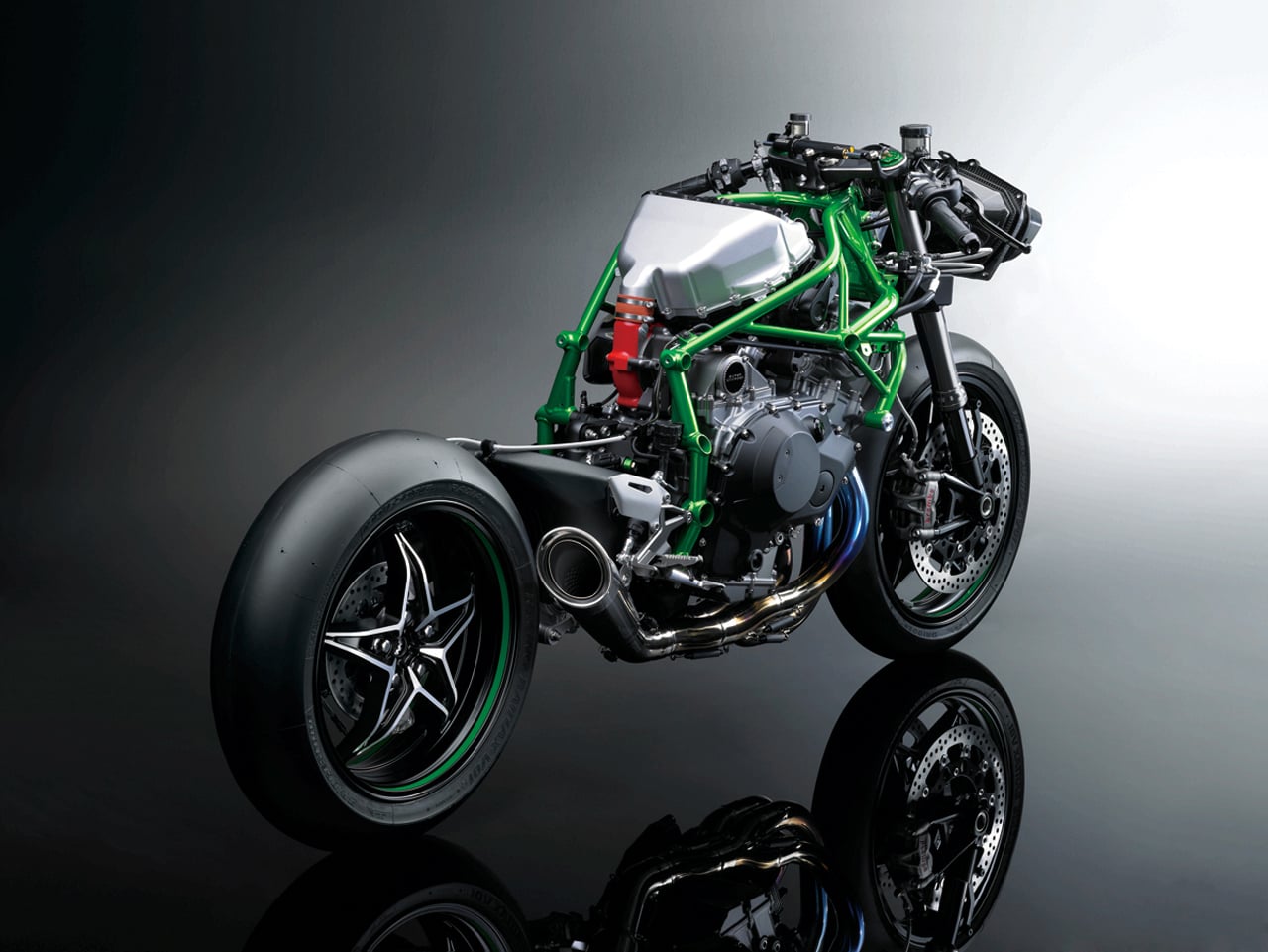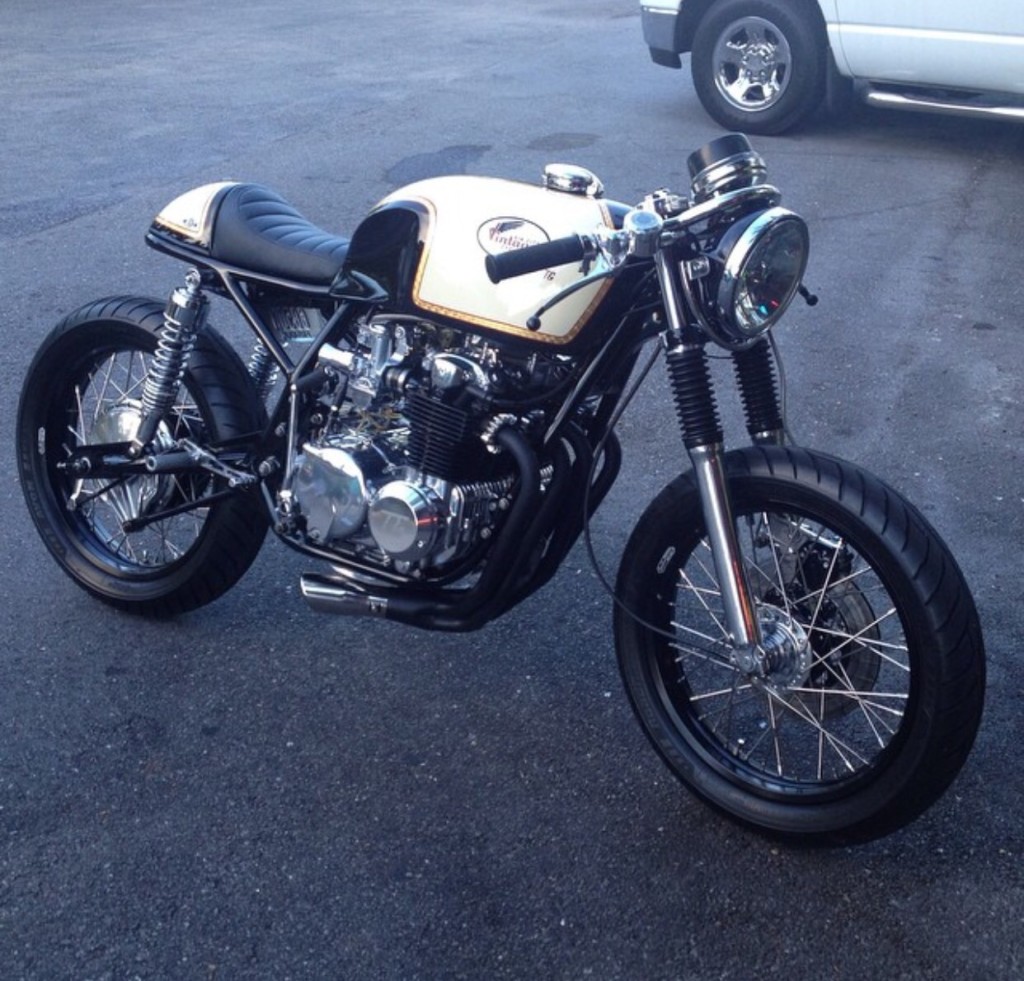
The café racer, an archetype of minimalist motorcycle design, evokes a nostalgic yearning for the freewheeling spirit of the 1960s. As modern motorcycle enthusiasts embrace this style, the evolution of café racers has transformed, leading to builds that marry contemporary technology with classic aesthetics. This fusion both preserves the soul of the original design and caters to the demands of the modern rider. Herein lies the allure of the café racer: a romantic combination of speed, style, and a connection to the past.
1. The Allure of Nostalgia
At the heart of the café racer phenomenon lies a deep-seated fascination with nostalgia. These motorcycles resonate with those who appreciate their historical significance within the counterculture movement. The original café racers were birthed in the gritty urban landscapes of post-war England, where youth sought liberation from societal norms. Today’s riders don’t just admire these machines; they revel in the stories of rebellion, individuality, and camaraderie that they represent. Each cafe racer build is not merely a motorcycle but a canvas painted with personal history and cultural significance.
2. Aesthetic Principles: Form Meets Function
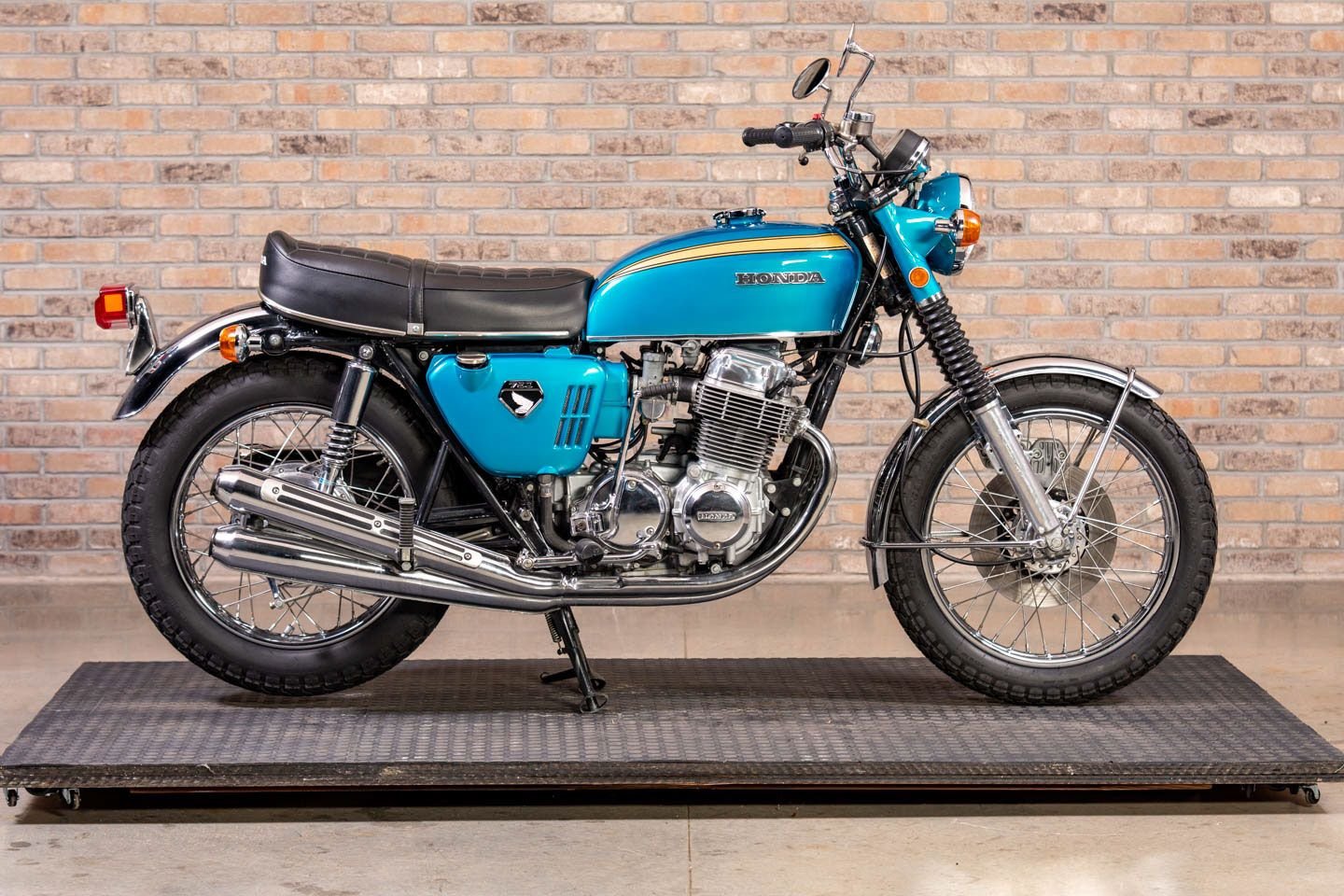
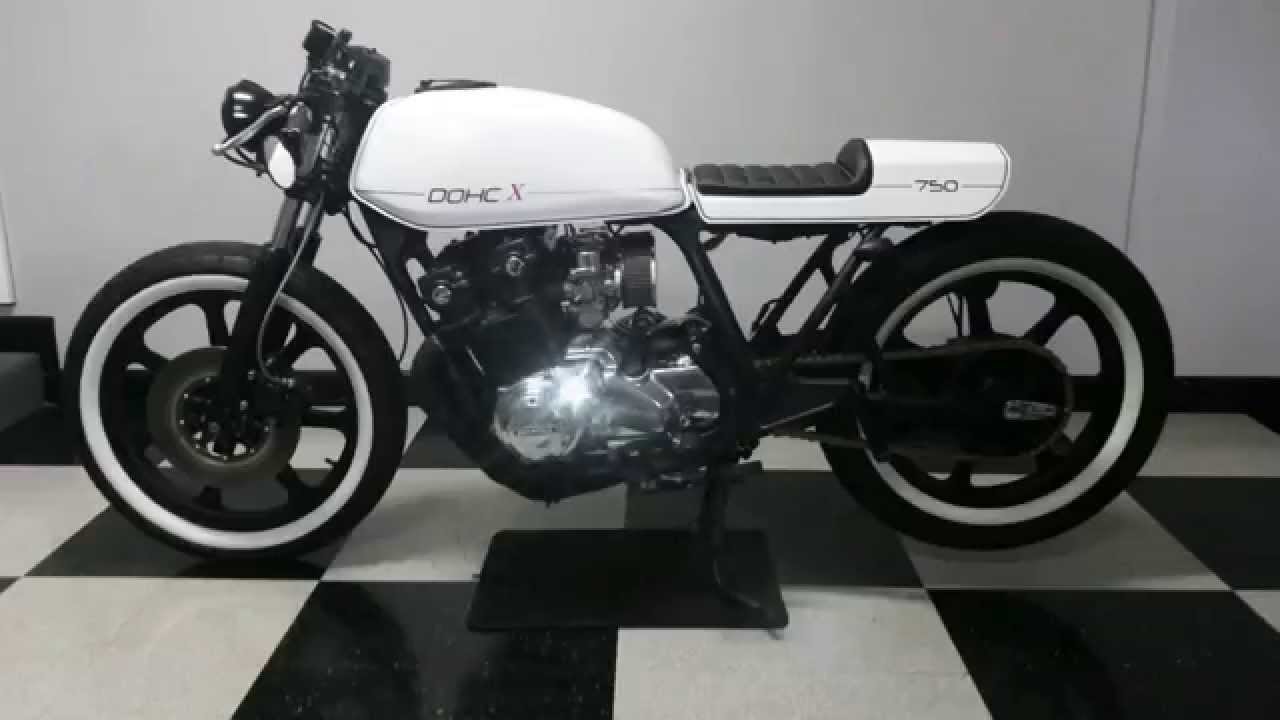
The aesthetic appeal of a café racer is undeniable. The quintessential design features—low-slung handlebars, a pronounced fuel tank, and a minimalist seat—scream of speed and purpose. Yet this beauty is not just skin-deep. The very form of a café racer is meticulously crafted to enhance performance. The lightweight frame and sleek body ensure agility and responsiveness, complementing the rider’s instinct to navigate twisty roads with precision. Modern builds hone these design principles, often incorporating materials like carbon fiber and aluminum to retain the classic silhouette while shedding unnecessary weight.
3. The Integration of Modern Technology
As the café racer culture evolves, so too does the technology that underpins it. Modern builds often leverage cutting-edge enhancements, bridging the gap between vintage aesthetics and contemporary engineering. This includes advanced braking systems, fuel injection, and digital instrumentation, all of which cater to safety and convenience without diluting the café racer ethos. Moreover, the incorporation of LED lighting provides a more efficient illumination source while maintaining a classic look. These innovations allow riders to enjoy the visceral thrill of motorcycling, with added reliability in an increasingly unpredictable world.
4. Customization: A Personal Journey
A defining feature of the café racer scene is the emphasis on customization. Owning a café racer is akin to embarking on a personal journey, where every detail reflects the rider’s individuality. Enthusiasts often engage in extensive modifications, from reupholstering the seat to changing exhaust systems, allowing for a highly personalized expression. This unprecedented level of customization provides a fresh canvas for creativity, and as a result, no two café racers are ever quite the same. This aspect of the culture invites community engagement, with custom bike shows and meet-ups showcasing the artistry and craftsmanship behind each build.
5. Community and Collaboration
The café racer movement is not solely about the machines; it’s also about the community it engenders. Collaborations among builders, riders, and enthusiasts strengthen the bonds within this subculture. Workshops and forums dedicated to specifications, tips, and tricks have proliferated, creating a knowledge-sharing ecosystem that fosters innovation and camaraderie. Many riders find a sense of belonging within these communities, which thrive on a shared philosophy of passion, craftsmanship, and the luxury of individuality.
6. Preserving the Classic: The Balance of Old and New
While modern café racers honor the spirit of their predecessors, there is an ongoing narrative within the community regarding the preservation of classic elements. Builders often grapple with the dilemma of how much modernity to infuse while respecting the authenticity of the original design. Some choose to repurpose vintage parts, allowing them to breathe new life into time-tested components, thus maintaining a historical connection. This dialogue emphasizes the critical balance between innovation and reverence for the past—a tug-of-war that ultimately enriches the café racer landscape.
7. The Ride: More Than Just Transportation
The experience of riding a café racer transcends mere transportation; it transforms into an exhilarating ritual that connects the rider to both the machine and the open road. The wind rushes by, the roar of the engine acts as a soundtrack, and the world blurs into a vibrant mosaic of color and texture. Each ride is an opportunity for introspection, adventure, and the sheer joy of visceral engagement. The café racer encapsulates a liberating ethos, inviting riders to revel in the moment and relive the essence of unencumbered freedom.
8. The Future of the Café Racer
As the café racer aesthetic continues to evolve, one can only speculate how future builds will balance tradition with innovation. The infusion of electric propulsion systems could herald a new era for the café racer, introducing a silent yet potent form of power. Innovations in design, sustainability, and technology suggest a dynamic future, all while retaining the classic allure that has captured hearts for decades. The café racer stands as a testament to human creativity and the enduring quest for personal expression through machinery.
The café racer is not merely a machine; it is a manifestation of a lifestyle steeped in history, individuality, and community. As builders and riders push the boundaries of tradition, they preserve the very essence that makes the café racer a timeless symbol of freedom and creativity on two wheels. In perfecting this union of classic lines and modern function, they not only pay homage to the past but also pave the way for an exciting, uncharted future.