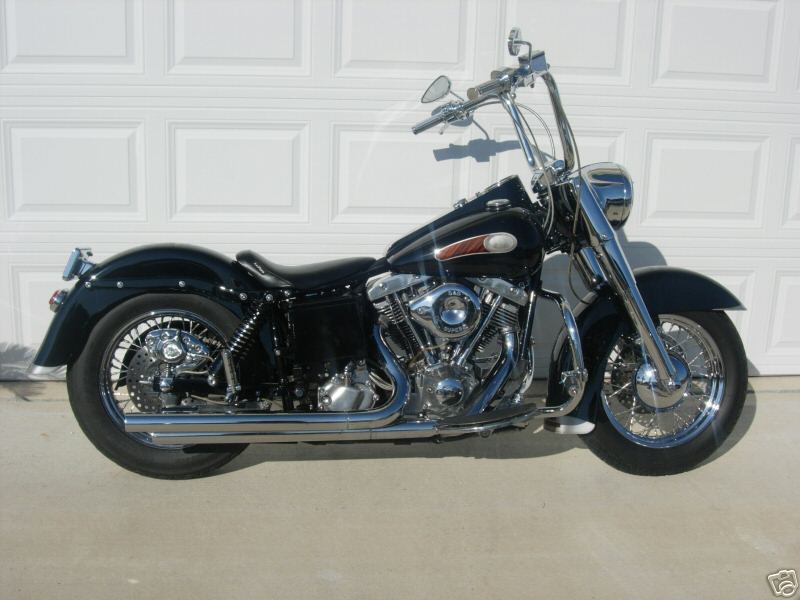
There’s a moment in every chopper rider’s life when the rumble of your old engine whispers a secret—it’s time to evolve. Not because the machine is broken, but because the soul of the ride demands more. Trading in a faithful steed for a fresh custom build isn’t just a transaction; it’s a metamorphosis. It’s the alchemy of steel and spirit, where the ghost of your old chopper lingers in the welds of the new one, whispering tales of the road behind while the future hums in the distance. This isn’t just about upgrading parts; it’s about sculpting a new identity on two wheels, where every curve of the frame tells a story only you can hear.
The Art of Letting Go: When Your Old Chopper Becomes a Muse
Every chopper carries a soul—scuffed handlebars, a patina of grease, the faint scent of oil and adventure clinging to its frame. But even the most beloved machines reach a point where they become a shadow of what they could be. Trading in isn’t betrayal; it’s evolution. Think of it like a jazz musician retiring an old saxophone to make room for a new one—same passion, but a different voice. Your old chopper isn’t disappearing; it’s becoming the foundation of your next masterpiece. The dents, the scratches, the faded paint—these aren’t flaws, but brushstrokes in a larger narrative. When you let go, you’re not erasing history; you’re framing it as the prologue to a grander tale.
Consider the metaphor of a phoenix. Your chopper isn’t dying—it’s shedding its old feathers to rise anew. The trade-in isn’t a farewell; it’s a rebirth. Dealers and builders often see this moment as sacred. They don’t just see a bike; they see potential. A frame that’s been ridden hard might be the perfect canvas for a radical custom build—one that twists the rules of engineering into something breathtaking. The key is to approach the trade with gratitude. Take one last ride, feel the weight of the machine beneath you, and let the road’s vibrations remind you why you fell in love. Then, with a deep breath, hand over the keys. The next chapter is waiting.
From Salvage to Symphony: The Hidden Beauty in Recycled Parts
There’s a quiet revolution happening in the world of custom choppers—one that turns forgotten parts into art. A discarded engine block becomes a conversation piece. A rusted fender transforms into a statement of rebellion. This is the magic of recycled components: they carry the ghosts of their past lives, but in the hands of a skilled builder, they’re reborn. It’s like composing a symphony from broken strings and cracked brass—each piece, no matter how battered, contributes to a harmony only you can hear.
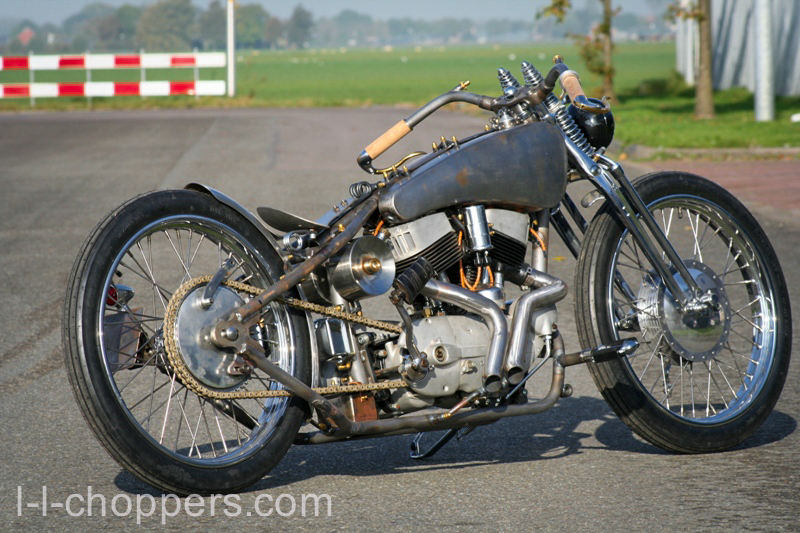
Imagine a V-twin engine, once the heart of a touring bike, now repurposed into the core of a radical chopper. The cylinders, though worn, still hum with potential. The pistons, though tired, still remember the rhythm of the road. When you trade in, you’re not just exchanging metal; you’re curating a legacy. Dealers and builders often have warehouses filled with these relics, waiting for someone with vision to see their hidden potential. A custom chopper built from salvaged parts isn’t just a machine—it’s a collage of history, a mosaic of journeys, each bolt and bracket a testament to the roads traveled before.
This approach isn’t just eco-conscious; it’s deeply personal. Every scratch, every dent, every faded bolt tells a story. When you incorporate these elements into your new build, you’re not just saving money—you’re weaving your own narrative into the fabric of the machine. It’s a way of saying, “This isn’t just a chopper; it’s a time capsule on two wheels.” And in a world obsessed with the new and the shiny, there’s something profoundly rebellious about embracing the imperfect, the worn, the lived-in.

Negotiating the Trade: Turning Your Old Chopper into a Stepping Stone
Trading in a chopper isn’t like selling a used car—it’s a negotiation of passion. Dealers who specialize in custom builds understand this. They don’t see your old machine as a depreciating asset; they see it as a catalyst. The key to a successful trade-in lies in framing your chopper’s value not just in terms of its current condition, but in its potential. A builder might look at a tired frame and see a blank canvas. A dealer might see a rare model that’s gaining collector’s value. The trick is to highlight what makes your chopper unique—its history, its quirks, the way it turns heads at every stoplight.
Start by gathering documentation. Service records, original parts, even a well-documented build history can add layers to your chopper’s story. If you’ve modified it over the years, note those changes. A custom exhaust system or a one-of-a-kind seat might not mean much to a casual buyer, but to a builder, it’s a clue to your vision. When negotiating, lead with your chopper’s soul. Instead of saying, “It’s got 50,000 miles,” say, “It’s got 50,000 miles of stories.” Instead of focusing on its flaws, emphasize its character. A slightly worn tank isn’t a defect; it’s a badge of honor.
And don’t be afraid to shop around. Different dealers and builders will value your chopper differently. Some might see it as a project bike ripe for transformation. Others might appreciate its rarity. The goal isn’t just to get the highest dollar—it’s to find a partner who sees your chopper the way you do. Someone who understands that this isn’t just a trade; it’s a collaboration. When you find the right fit, the negotiation becomes less about money and more about creating something extraordinary together.
The Builder’s Touch: Crafting a Chopper That Reflects Your Soul
Once the trade is complete, the real magic begins. This is where your vision meets the builder’s expertise, where raw metal transforms into a machine that feels like an extension of your body. A great builder doesn’t just assemble parts—they sculpt emotion. They listen to your dreams, your fears, your rebellious spirit, and then they translate that into steel and chrome. It’s like commissioning a portrait, but instead of brushstrokes, they use welds and curves.
Start by defining your aesthetic. Do you want a chopper that’s sleek and futuristic, with sharp angles and neon accents? Or do you lean toward the raw, the rugged, the unapologetically vintage? Maybe you’re drawn to the hybrid—part classic, part avant-garde. The builder’s role is to take these abstract ideas and make them tangible. They’ll guide you through material choices, from the weight of the frame to the texture of the leather seat. They’ll suggest finishes that complement your style, whether it’s matte black powder coat or a glossy candy apple red. And they’ll push you to think beyond the obvious, to consider elements that might not have occurred to you—a hidden storage compartment, a custom lighting system, a seat shaped like a vintage saddle.
But the builder’s touch isn’t just about aesthetics—it’s about engineering. A truly custom chopper should feel like it was born to fit you. The ergonomics, the balance, the way it responds to your touch—these are the details that separate a good build from a great one. A skilled builder will ensure that every component, from the footpegs to the handlebars, is positioned for maximum comfort and control. They’ll balance the weight distribution so the chopper feels like an extension of your body, not a burden to carry. And they’ll test every system, from the brakes to the electrical wiring, to ensure reliability on the open road.

The First Ride: When the New Chopper Becomes a Part of You
The moment you swing your leg over the new chopper for the first time is electric. It’s not just the purr of the engine or the way the bike responds to your touch—it’s the realization that this machine was built for you. Every curve, every weld, every bolt was chosen with intention. This isn’t just a chopper; it’s a partner. The first ride is a pilgrimage. You’ll take it slow at first, savoring the way the bike handles, the way it leans into turns, the way it hums beneath you like a living thing. You’ll notice details you didn’t see in the workshop—the way the wind tugs at your jacket, the way the exhaust note echoes off the buildings, the way the world seems to slow down when you’re on two wheels.
This is the moment when the trade-in becomes more than a transaction. It’s a rebirth. The old chopper’s ghost might still linger in the back of your mind, but the new one is here to stay. It’s a machine that carries your history forward, a testament to your growth as a rider and as a person. And as you ride, you’ll start to see the world differently. The road ahead isn’t just a path—it’s a canvas. Every mile is a stroke of paint, every turn a new chapter. The chopper isn’t just a vehicle; it’s a co-author in the story of your life.
So when you trade in your old chopper, don’t mourn its passing. Celebrate it. Take one last ride, feel the weight of the machine beneath you, and let the road’s vibrations remind you why you fell in love. Then, with a deep breath, step into the future. The next chapter is waiting, and it’s yours to write.