Riding a motorcycle is not merely a mode of transportation; it is a passion that embodies freedom, adventure, and an intrinsic connection between man and machine. Yet, this exhilarating experience comes with significant responsibilities, and paramount among them is ensuring one’s safety through the right motorcycle helmet. The choice of helmet can be a daunting task, resonating with deeper implications regarding personal well-being and riding culture. This article delves into the critical aspects of selecting a motorcycle helmet, focusing on fit, safety ratings, and essential features.
Understanding the Importance of Proper Fit
The adage “a helmet is only as good as its fit” rings particularly true in the motorcycle community. A perfect fit is not just about comfort; it is instrumental in the efficacy of the helmet during an accident. Helmets should snugly encompass the entire head without causing discomfort. When determining the right size, measure the circumference of your head approximately one inch above your eyebrows and refer to sizing charts provided by manufacturers.
For a more personalized assessment, try on various models. A properly fitting helmet will not shift when you move your head and will sit level on your head. It is essential for the chin strap to be fastened and secure, as a loose or improperly adjusted strap can precipitate disastrous consequences in the event of a collision. Remember, there is no universal sizing; each brand may have subtle variations, making it imperative to test several options before making a choice.
The Significance of Safety Ratings
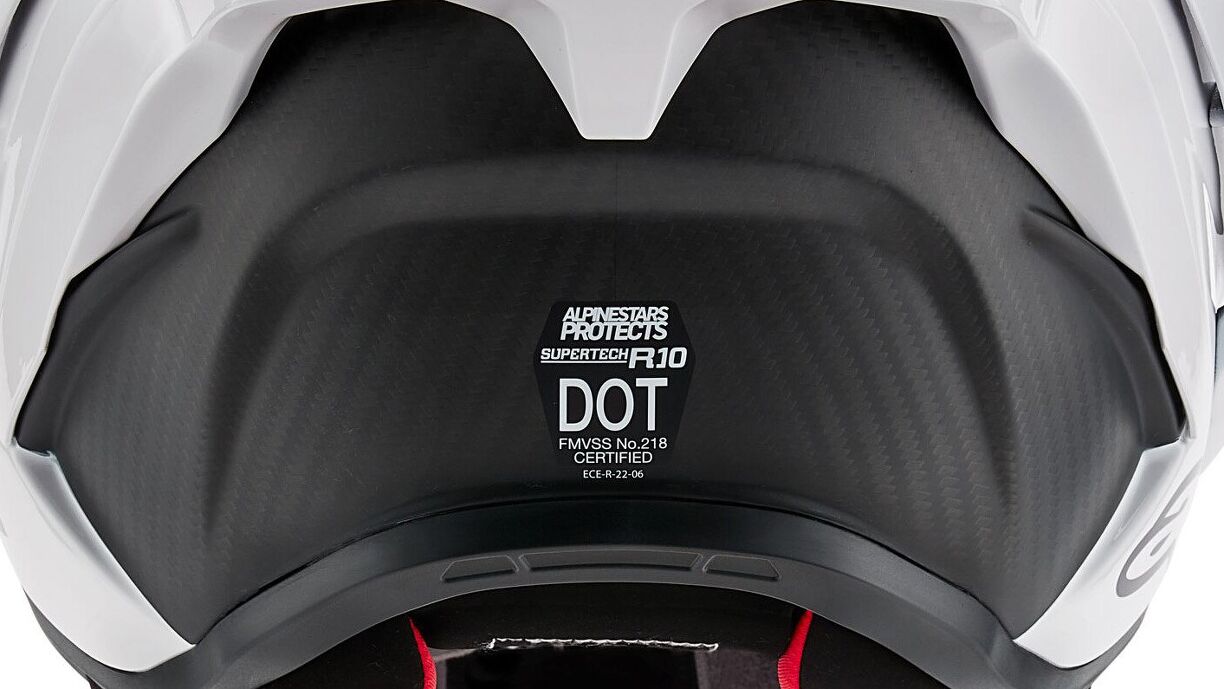
Safety ratings are integral to the purchasing process, providing riders with invaluable insights into the protective capabilities of a helmet. Two predominant safety standards exist in the motorcycle helmet industry: the DOT (Department of Transportation) certification and the Snell Memorial Foundation rating. While the DOT standard is mandatory in the United States, the Snell rating often signifies an additional layer of testing and assurance.
Helmets bearing the DOT sticker have met federal safety standards regarding impact resistance and retention. In contrast, those adorned with a Snell certification have undergone more rigorous testing procedures, often resulting in helmets that withstand higher impacts and offer advanced protection. Riders are encouraged to prioritize helmets that possess both certifications to ensure optimal safety.
Furthermore, look for additional certifications like ECE (Economic Commission for Europe), particularly if you travel internationally. These ratings provide insight into how well a helmet will perform in real-world crash scenarios, effectively alleviating concerns over its dependability.
Key Features to Consider
Modern motorcycle helmets come packed with an array of features designed to enhance both safety and comfort. Considerations when selecting a helmet encompass the following:
- Materials: The outer shell of the helmet is typically composed of either polycarbonate, fiberglass, or carbon fiber. Polycarbonate helmets tend to be more affordable and offer decent protection, but fiberglass and carbon fiber options provide additional strength while being lighter in weight.
- Impact Absorption: The internal foam liner is crucial in absorbing impact during a crash. Expanded polystyrene (EPS) is the conventional material used to line helmets, but some models feature multiple densities to optimize protection against various types of impacts.
- Ventilation: Riding can be exhilarating, but it can also lead to overheating without proper airflow. Adjustable ventilation systems can help regulate temperature, allowing you to enjoy longer rides in comfort.
- Face Shield: A quality face shield is vital for protecting the eyes from debris and wind. Look for helmets with anti-fog coated shields to maintain visibility, especially in varying weather conditions.
- Weight: Heavier helmets can lead to discomfort during extended rides. A lightweight option helps reduce strain on the neck, making for a more enjoyable experience.
- Bluetooth Compatibility: As technology evolves, so do motorcycle helmets. Many modern helmets come equipped with seamless Bluetooth integration, allowing communication between riders and the ability to listen to music or receive navigation instructions without compromising safety.
Caring for Your Helmet
Once you have made the right choice, maintaining the helmet is crucial for longevity and performance. Regular checks for any visible signs of wear and tear—such as foam degradation or cracked shells—are essential. Helmets should be replaced every five years or after any significant impact. Proper cleaning is equally important; use mild soap and water for the exterior and a gentle cloth for the interior, avoiding harsh chemicals that can degrade materials.
The Psychological Factor
There is a psychological dimension to wearing a motorcycle helmet that should not be overlooked. For many riders, the helmet serves as a symbolic artifact of safety and assurance. It encapsulates their dedication to responsible riding while simultaneously affirming a sense of identity within the broader motorcycling community. The ritual of donning a helmet before embarking on a journey fosters a mindset of caution and preparedness, reinforcing the importance of safety in the pursuit of adventure.
In Conclusion
Selecting the right motorcycle helmet is an intricate balance of fit, safety ratings, and personal features that cater to individual preferences and riding styles. This process transcends mere pragmatism; it is woven into the fabric of a rider’s journey, embodying a commitment to safety while embracing the thrill of the open road. With the right helmet, every ride can be a safe and exhilarating adventure.