Embarking on a long motorcycle journey can be an exhilarating experience, but the joy of the open road can quickly dissipate if your seat isn’t up to the task. The right motorcycle seat can spell the difference between a delightful adventure and a backbreaking ordeal. This comprehensive guide will delve into the intricacies of motorcycle seat comfort, exploring different types of seats, materials, adjustments, and accessories. Prepare yourself for a journey to comfort that can transform your riding experience.
Understanding Seat Types for Ultimate Comfort
Motorcycle seats come in various configurations, each tailored to specific riding styles and preferences. Understanding these options is the first step toward ensuring your derriere remains content on lengthy rides.
1. Standard Seats
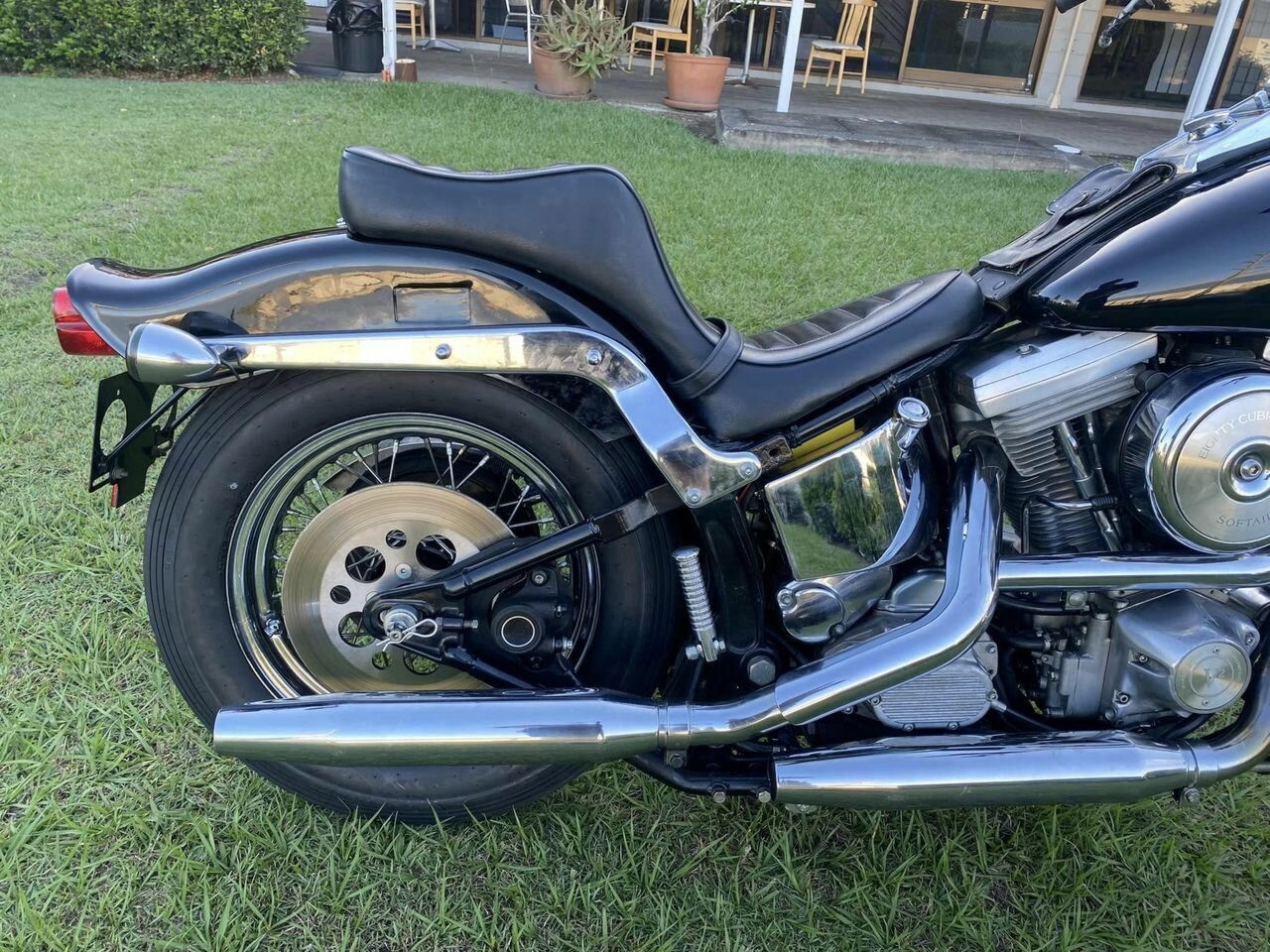
Typically found on cruisers and touring bikes, standard seats prioritize all-day comfort. These options usually feature ample cushioning and a well-contoured shape designed to cradle your natural posture. Riders will appreciate the balance these seats strike between aesthetic appeal and ergonomic support.
2. Sport Seats
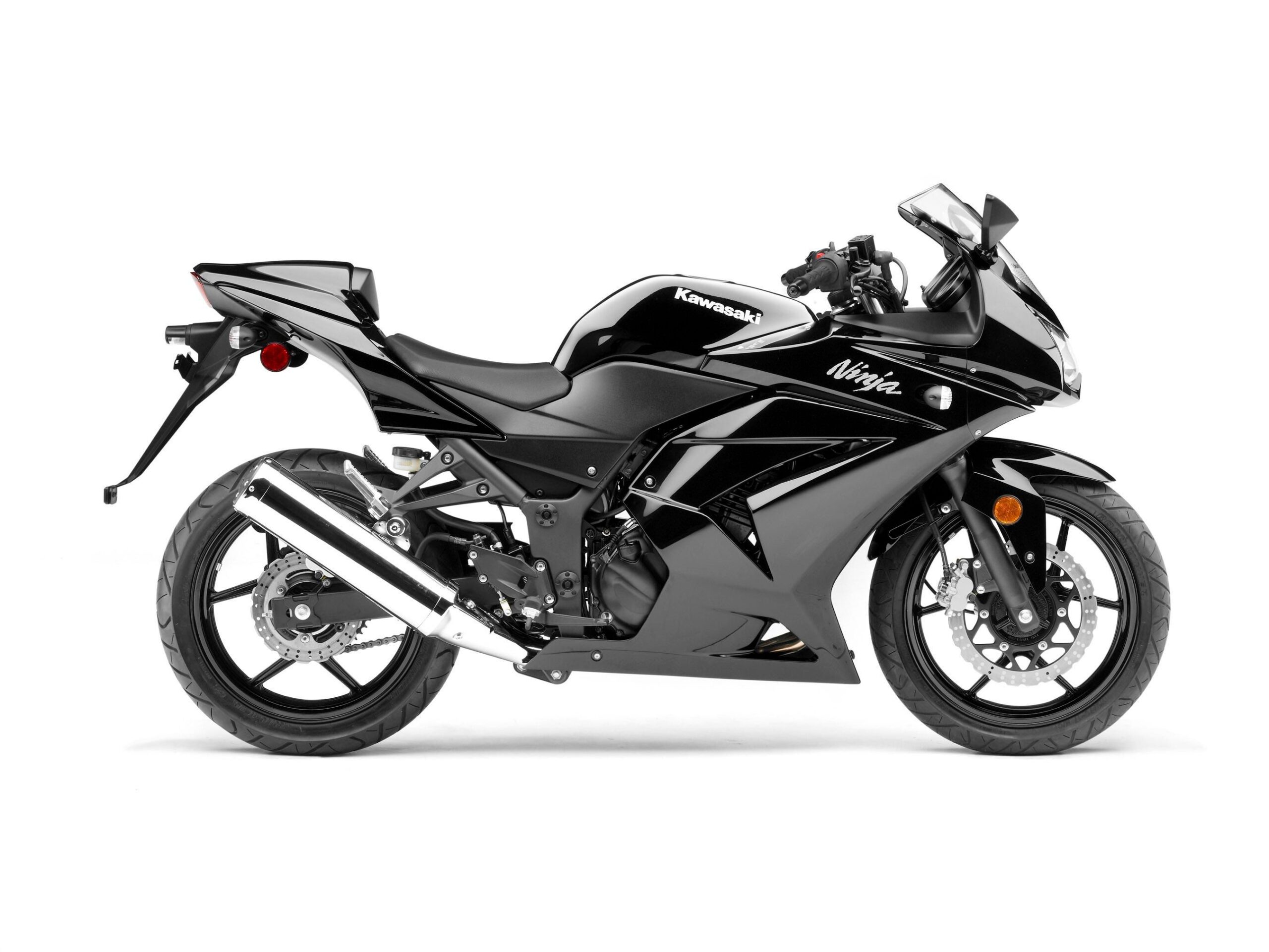
Engineered for performance, sport seats are often designed with a firmer composition to keep the rider in a stable position during aggressive maneuvers. While sacrificing some plushness, these seats excel in providing the necessary support for high-octane thrills. A key feature is the improved grip to prevent sliding, bringing a sense of control to twisty roads.
3. Touring Seats
For those who embark on long-distance voyages, touring seats reign supreme. These are typically wider and come equipped with additional lumbar support, ensuring that you can ride for hours on end without discomfort. Touring seats can often accommodate passenger comfort as well, making them a splendid choice for those who travel with a companion.
4. Dual Seats
Unlike single-seat options, dual seats are designed for both the rider and passenger, combining comfort and functionality. They often feature a separation in the design, allowing for better ergonomic support tailored to each rider. This type of seat is perfect for leisurely rides with friends or loved ones.
5. Custom Seats
When off-the-shelf options just won’t cut it, custom seats are the crème de la crème. Riders can collaborate with professional seat designers to craft a seat that meets their specifications for comfort, style, and fit. A well-made custom seat is often molded to the unique contours of the rider’s body, resulting in unparalleled comfort.
Materials Matter: The Foundation of Comfort
The composition of the seat can make all the difference, affecting both comfort and durability. Let’s look into the materials typically utilized in motorcycle seat construction.
1. Foam Types
High-density foam cushions provide solid support and resistance to compression over time. Overlaying memory foam offers the sweet embrace of conforming material that can alleviate pressure points during extended rides. Riders should consider their weight and riding style when selecting foam types, as these factors significantly impact overall comfort.
2. Gel Inserts
Gel-infused seats enhance comfort by distributing weight evenly, thus reducing fatigue. These inserts can absorb shock and vibrations, which is particularly beneficial for those frequently traversing bumpy roads. Gel seats can be a fantastic addition for long-distance riders and those who often find themselves on subpar surfaces.
3. Synthetic vs. Leather
When it comes to seat coverings, synthetic materials often provide water resistance and durability. Conversely, leather brings a classic aesthetic and comfort but requires more maintenance. Scouters after that vintage vibe often lean towards leather, while those prioritizing practicality may choose high-tech synthetics.
Adjustment Mechanisms to Enhance Fit
It’s not just the seat type and material that matter but the adjustability options as well. A well-structured seat can be adjusted to cater to the individual rider’s need for comfort.
1. Height Adjustability
Many modern motorcycles come with adjustable seats. Riders of different heights can benefit from this feature, ensuring that their legs reach the ground comfortably while maintaining an ideal riding posture.
2. Tilt Adjustment
Tilting the seat can relieve pressure on the lower back, allowing for a custom fit based on body alignment. Riders should examine their posture to determine if their seat benefits from such an adjustment.
3. Backrest Options
For added support, backrests can be adjustable or removable. Back support is crucial for long distances, as it prevents slouching and fatigue. Riders should consider this option, especially if they frequently undertake long hauls.
Accessorizing for Additional Bliss
Finally, integrating accessories can elevate seat comfort to a whole new level:
1. Seat Cushions
Portable seat cushions can easily be added for instant relief on the go. Whether gel or air-filled, these cushions are a popular choice for riders seeking supplementary comfort without major alterations to their seat.
2. Seat Covers
Aftermarket seat covers can enhance aesthetics and add layers of comfort. They help in moisture-wicking and can also provide additional grip, preventing the rider from sliding while maneuvering.
3. Heated Seat Inserts
For the winter warriors, heated inserts can bring immense comfort to chilly rides. Being able to warm up the seat transforms a cold morning commute into a pleasurable experience.
In conclusion, choosing the right motorcycle seat involves a thorough understanding of your riding style, personal preferences, and the types of journeys you typically undertake. With these insights, riders can transform their seat into a bastion of comfort, ensuring that every ride is filled with joy rather than discomfort. Embrace the journey, knowing that your ergonomics are accounted for!