In the vast realm of mechanical engineering, where pistons dance in precise harmony and combustion ignites raw power, the relationship between cubic centimeters (cc) and horsepower (HP) emerges as a fascinating alchemy. Like deciphering an intricate symphony, understanding how engine displacement correlates with its power output invites both curiosity and technical appreciation. This exploration delves deep into the mechanics behind the numbers, lifting the veil on terms such as 1200cc, 114 cubic inches (ci), and their horsepower manifestations.
Imagine engine displacement as the lungs of a mechanical beast—how much air and fuel it can breathe in per cycle defines the volume that fuels its thirst for speed and strength. Cubic centimeters measure this internal volume, a precise numerical representation of an engine’s total swept volume within all the cylinders. It’s the spatial heartbeat, if you will, of an engine’s capacity to ingest and combust fuel. The larger the cc, the more potential the engine has to generate energy.
Yet, cc alone does not narrate the full tale of power. Consider horsepower as the engine’s voice—a vibrant, roaring proclamation of performance. HP quantifies an engine’s ability to perform work over time, essentially translating mechanical effort into a standardized metric of raw output. It measures how swiftly the mechanical lungs’ intake of air and fuel transform into kinetic energy unleashed through the wheels.
The interplay between cc and HP often confounds many because it isn’t a simple linear relationship. Not all 1200cc engines roar with identical grandeur. Factors such as engine design, tuning, fuel delivery systems, and technological advancements craft distinct variances in horsepower despite identical displacements. For instance, a 1200cc motorcycle engine can produce anywhere from 70 to over 150 horsepower depending on its engineering intricacies.
In many ways, the conversion from cc to HP is akin to translating dialects of the same language. While cubic centimeters measure how much “breath” the engine possesses, horsepower communicates how effectively that breath is transformed into a forceful shout of acceleration and torque. It is a metamorphosis shaped by compression ratios, cylinder configurations, camshaft timing, and manifold designs.
Let us consider the example of 1200cc displacement, often a sweet spot in mid-sized motorcycles and some automotive engines. At 1200cc, the engine’s internal volume translates roughly to 73.2 cubic inches (ci) when switching to imperial units, and a measurement such as 114ci, which is famously associated with larger V-twin motorcycle engines, represents a more generous intake of combustion potential. These variations exemplify how nuances in engine architecture impact power characteristics.
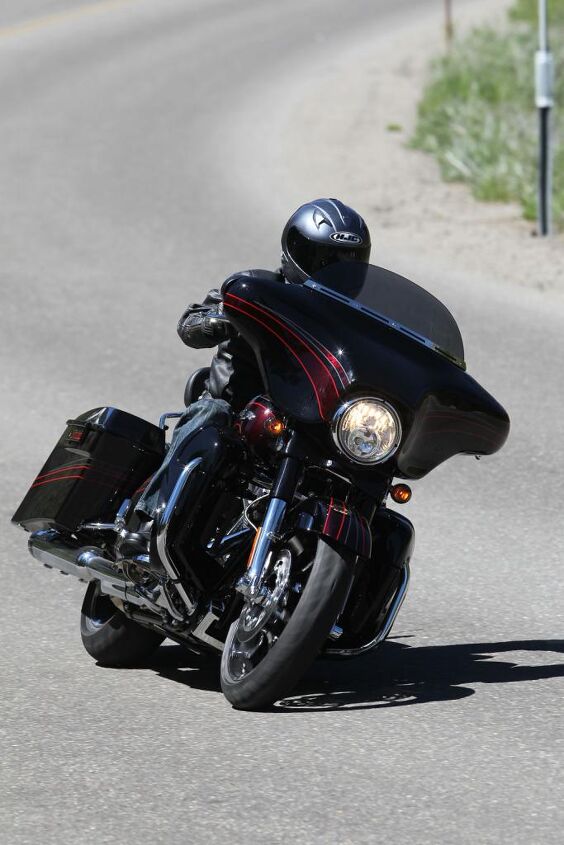
In the case of 114ci (approximately 1868 cc), engines typically embody a torquey character, delivering robust low-end power suitable for cruisers or touring motorcycles. This displacement favors steady, unrelenting power delivery rather than sharp, peak horsepower spikes. The essence here lies not in rapid acceleration but durable strength and effortless pulling power, akin to a heavyweight boxer whose effectiveness emerges in sustained rounds.
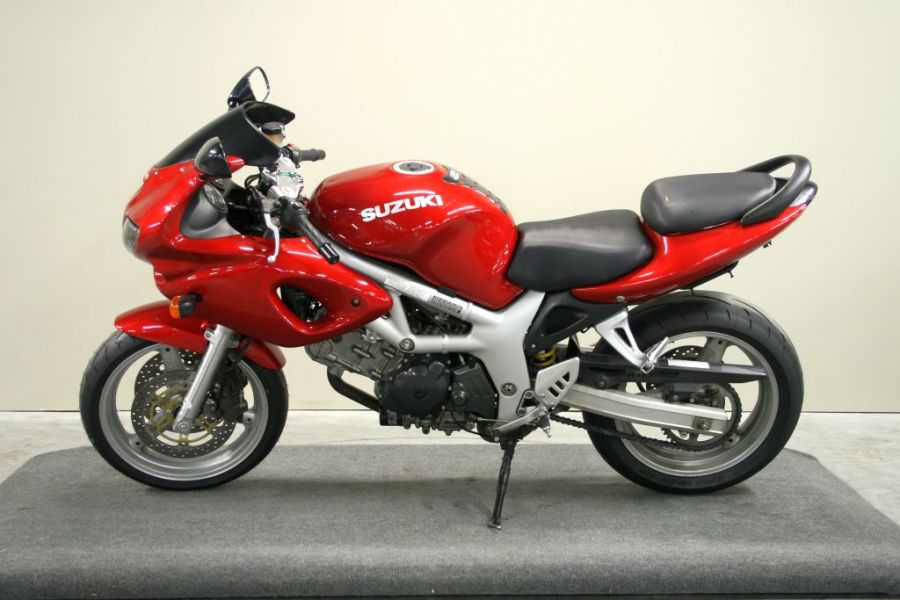
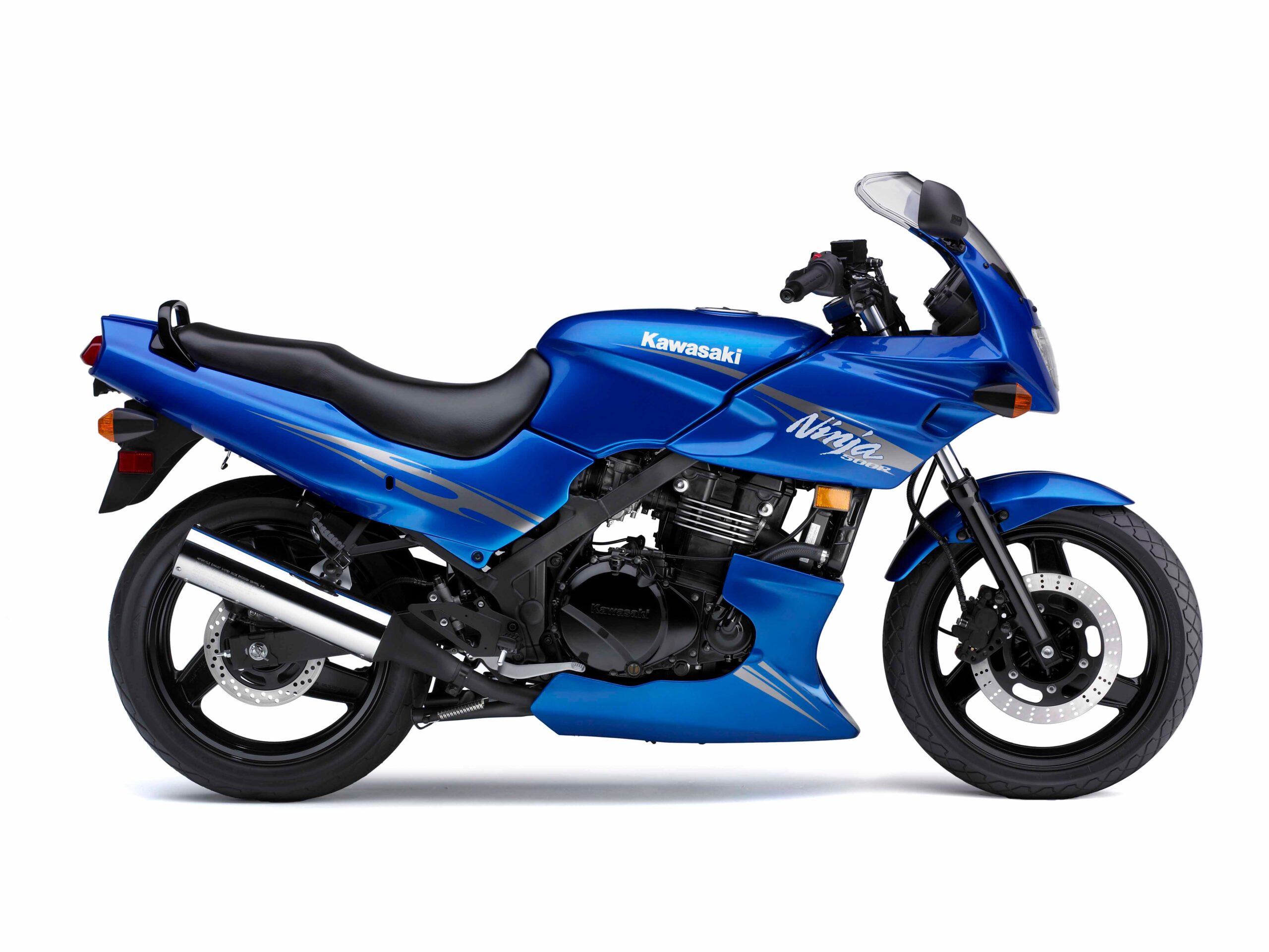
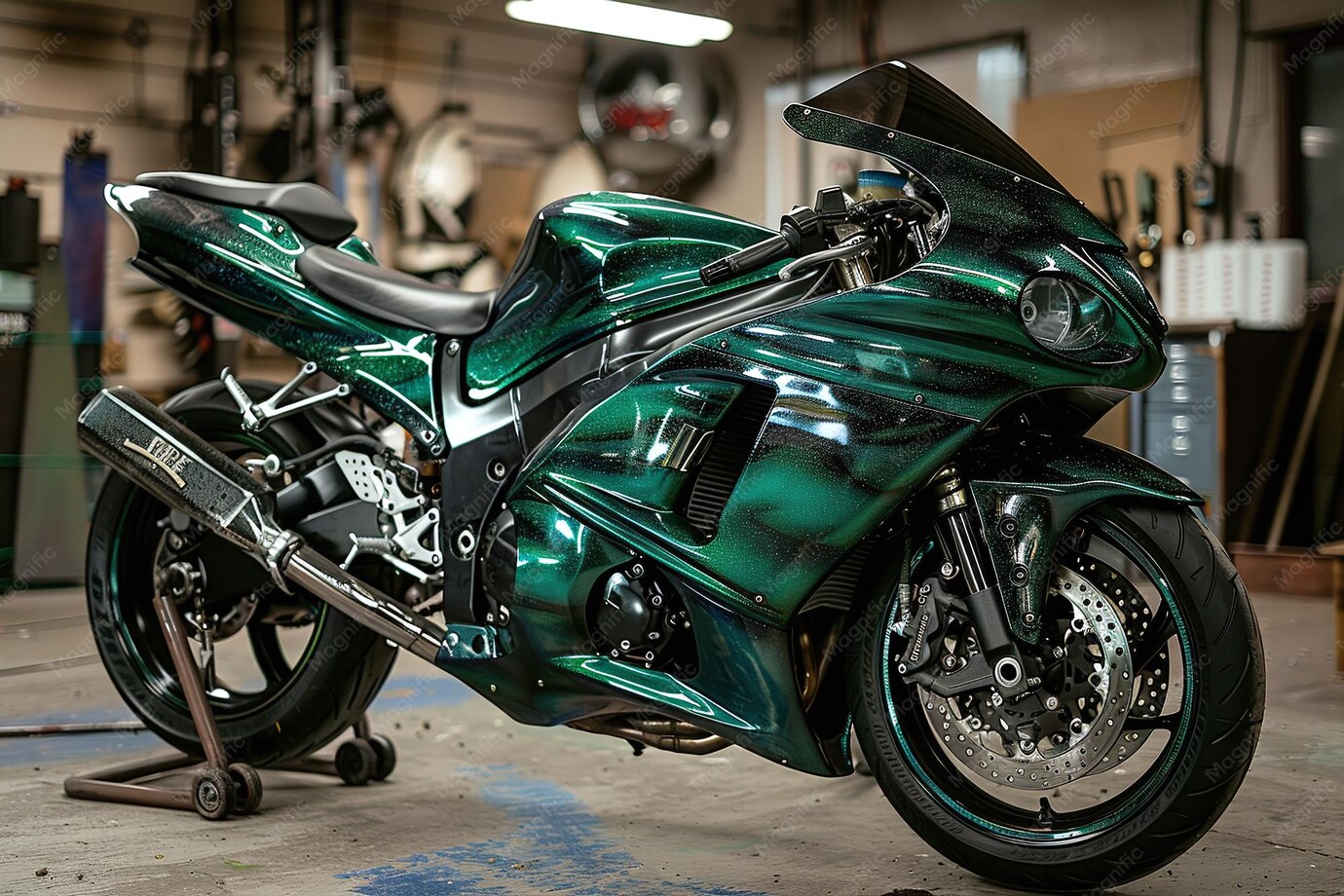
Conversely, a 1200cc engine engineered for sport-oriented motorcycles might sacrifice some torque for higher-revving horsepower. Its metallurgy, valve timing, and fuel injection map combine to generate a harmonic crescendo at elevated RPMs, delivering a symphony of swift acceleration and nimble responsiveness. It echoes the difference between an orator’s calm authority and an opera singer’s piercing vibrato—both powerful, yet distinct in their performance avatars.
The conversion charts between cc and horsepower, therefore, act as critical instruments for enthusiasts, engineers, and consumers alike. They translate the often labyrinthine jargon into tangible expectations—helping decide whether an engine aligns with desires for blistering speed, efficient cruising, or rugged endurance. With such charts, one unlocks the capacity to visualize how a 1200cc engine might compare, in raw output, to a 114ci behemoth, or to smaller and larger counterparts within the mechanical pantheon.
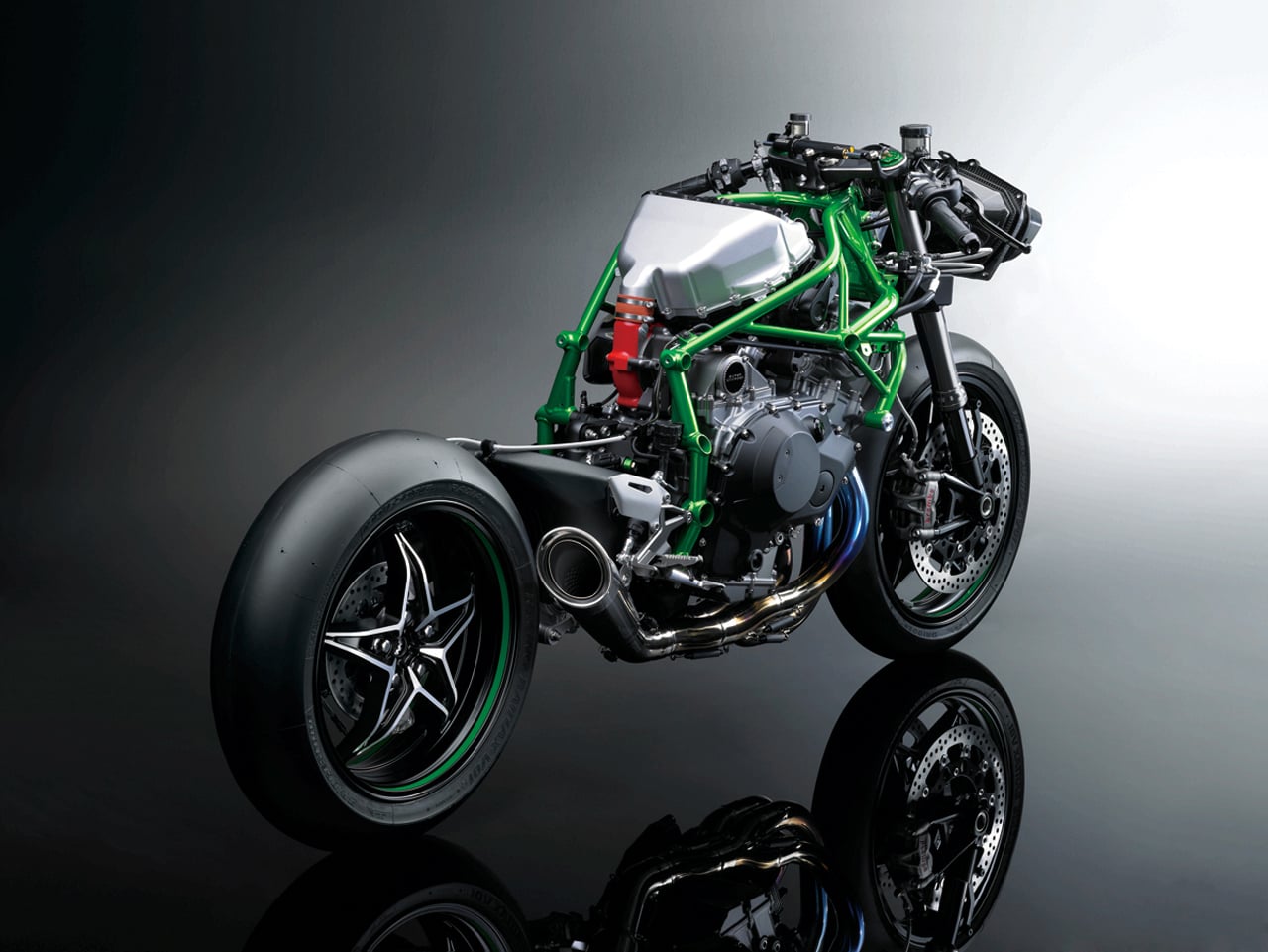
Yet, these comparisons must be approached with the understanding that combustion engines are not mere calculators of volumetric translations. Environmental factors, fuel quality, maintenance, and even altitude impact horsepower outcomes. Similarly, the advent of turbocharging and supercharging adds turbo-laden twists to the conversation, enabling smaller displacements to overachieve in horsepower far beyond natural aspiration’s boundaries.
Moreover, the contextual application of the engine reshapes the horsepower narrative. A 1200cc engine in a lightweight sportbike will reveal a vastly different character and performance output than the same displacement tucked into a heavier cruiser or a utility vehicle. Design philosophies and target usability crystallize as invisible forces sculpting the final horsepower figures.
In summary, translating cubic centimeters to horsepower is an evocative exercise—bridging the tangible and intangible realms of mechanical performance. Like measuring the breath of a colossal leviathan and decoding its roar, it invites us into the captivating science and art behind engine power. Displacements such as 1200cc or 114ci serve as mile markers along a spectrum, hinting at potential yet shaped by countless subtleties.
Understanding this nuanced relationship empowers not just consumers seeking the perfect ride, but also engineers breathing innovation into every stroke and rev. With each new combustion, the enigmatic dialogue between cc and horsepower continues, a timeless saga of power, precision, and passion winding through the engineering tapestry.