The clash between Zero Engineering’s Japanese choppers and their American Harley counterparts isn’t just a battle of aesthetics—it’s a cultural collision of precision and rebellion, of minimalism and excess. These machines, forged in different philosophies, cater to distinct souls. Whether you’re drawn to the razor-sharp lines of a Samurai-inspired chopper or the thunderous growl of a Harley, each style tells a story of its maker’s ethos. Let’s dive into the heart of these two worlds, where craftsmanship meets attitude, and tradition wrestles with innovation.
The Art of Deconstruction: Zero Engineering’s Japanese Choppers
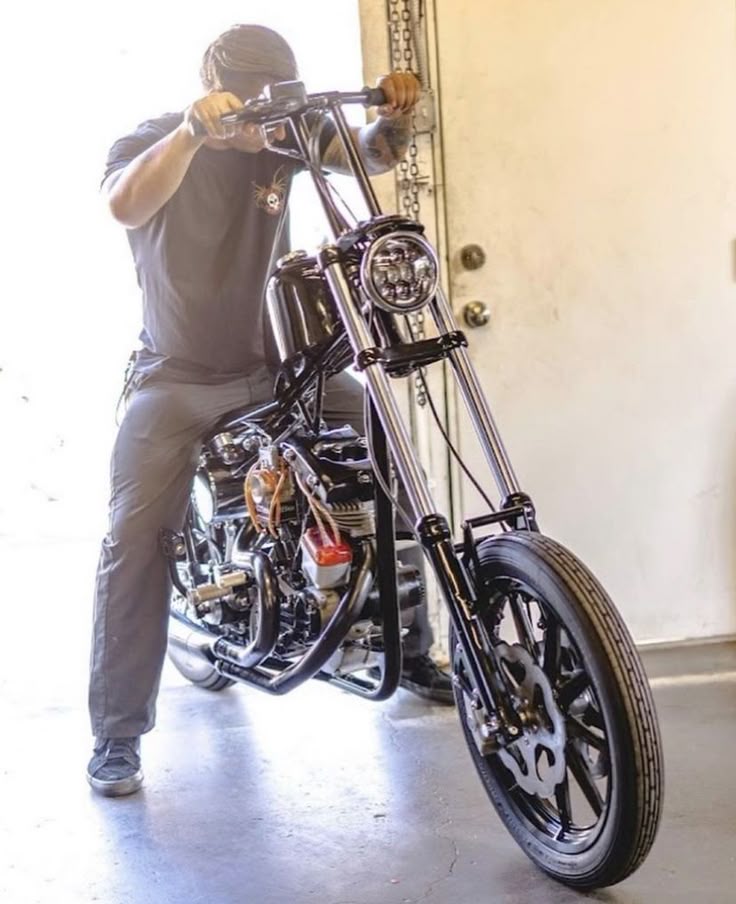
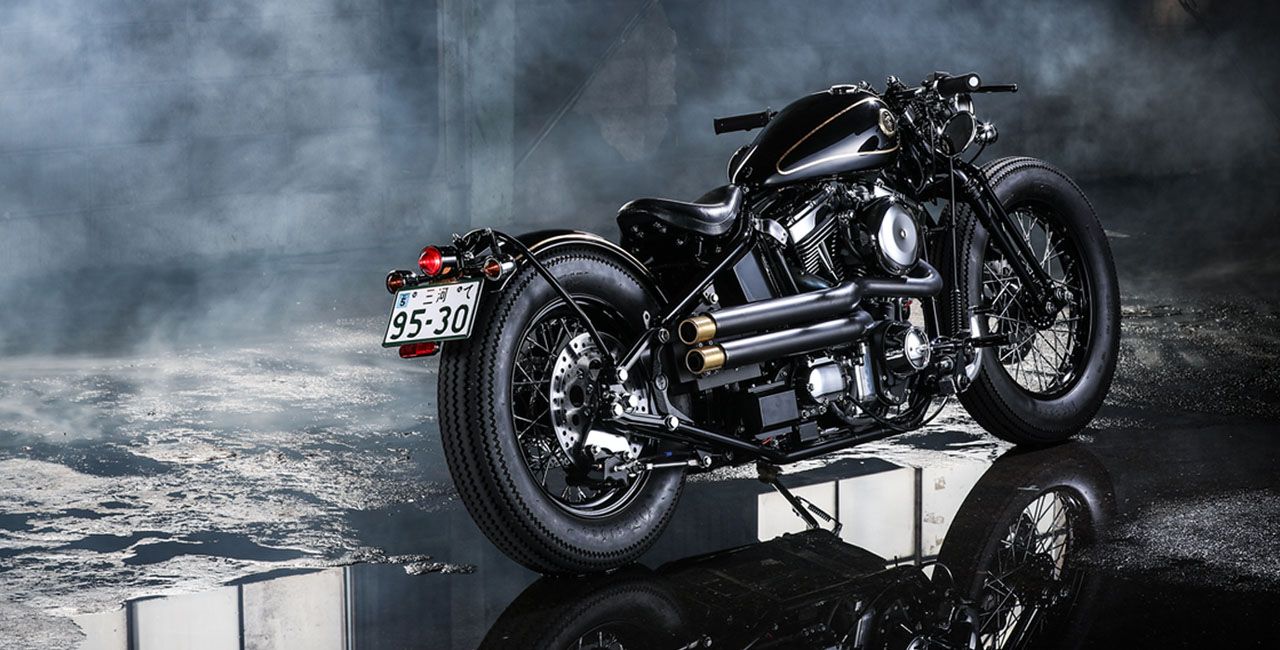
Zero Engineering’s choppers are not merely motorcycles; they are rolling haikus, distilled into steel and chrome. Their designs strip away the superfluous, leaving only the essential—clean geometries, exposed frames, and a raw, almost skeletal beauty. These bikes are the progeny of Japanese engineering, where every bolt and weld serves a purpose, yet nothing feels utilitarian. The influence of samurai swords and traditional Japanese aesthetics is unmistakable, with angular fuel tanks, minimalist seats, and a forward-leaning riding position that demands engagement.
What sets these choppers apart is their disciplined rebellion. Unlike the brash, chromed-out Harleys, Zero Engineering’s creations whisper rather than shout. They appeal to riders who see motorcycles as extensions of their own discipline—riders who appreciate the interplay of light and shadow on a polished aluminum frame. The materials are often exotic: titanium, carbon fiber, and hand-forged aluminum, materials that speak to a culture of precision and performance. These bikes are not for the faint of heart; they are for those who understand that less can indeed be more.
The American Goliath: Harley-Davidson’s Iconic Choppers
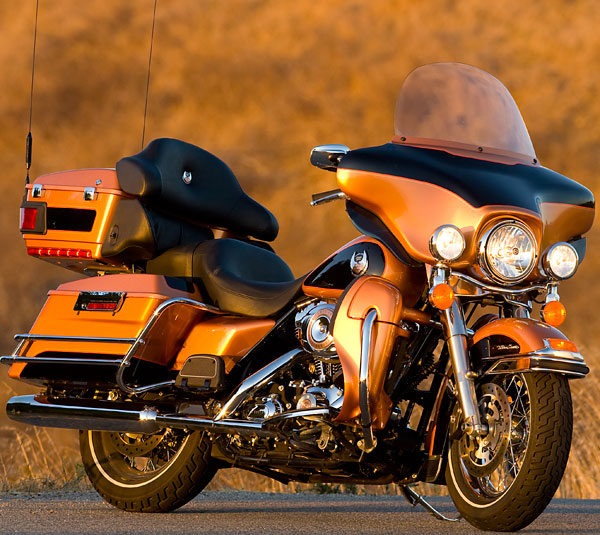
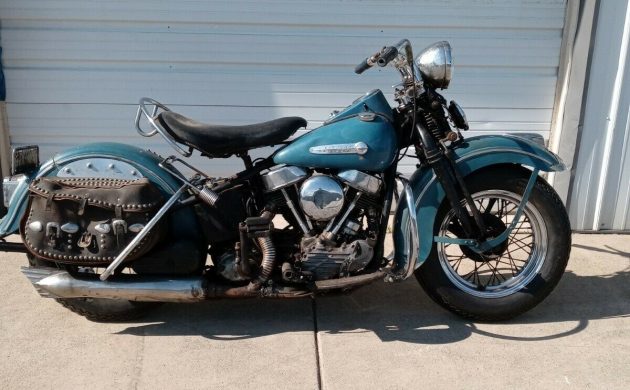
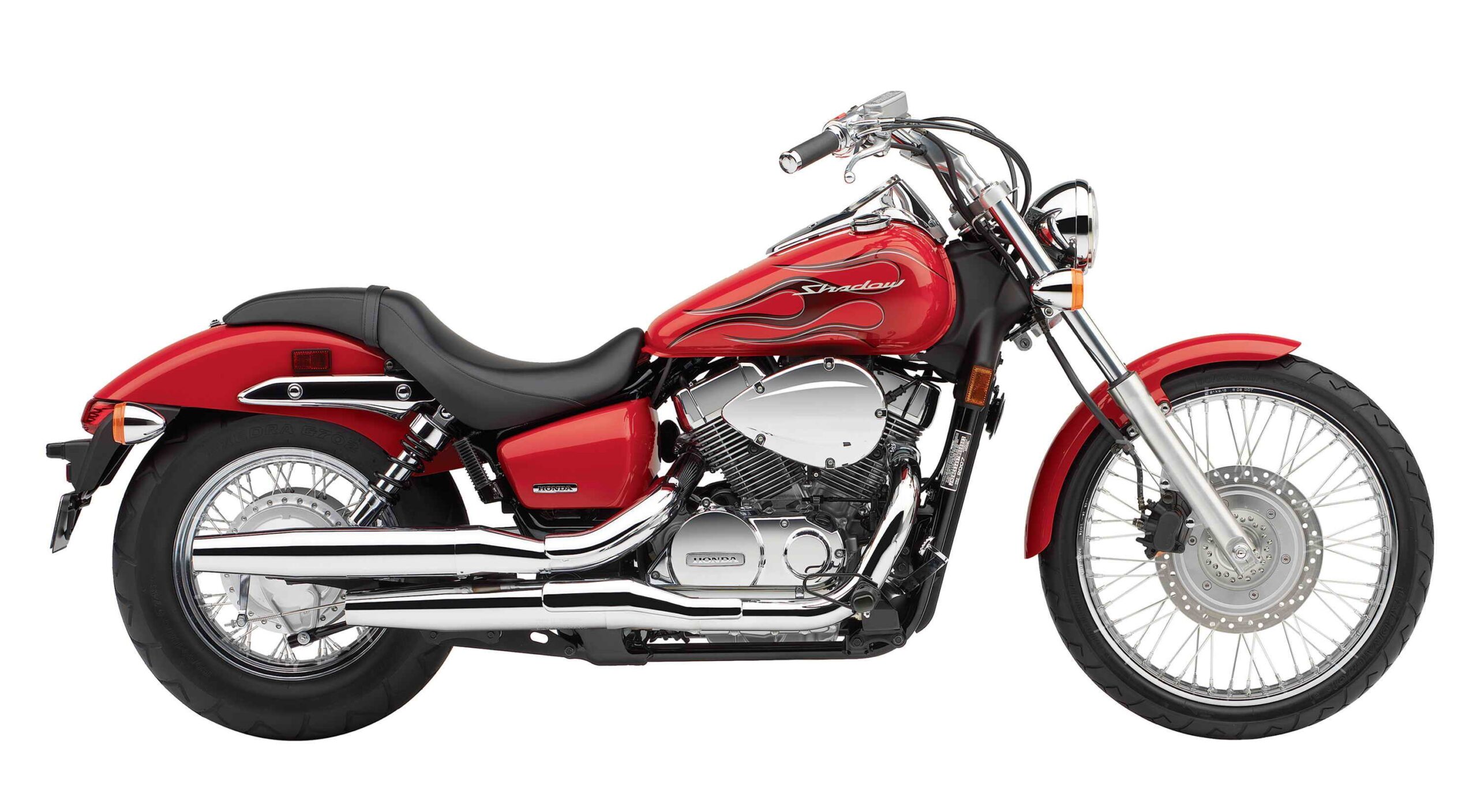
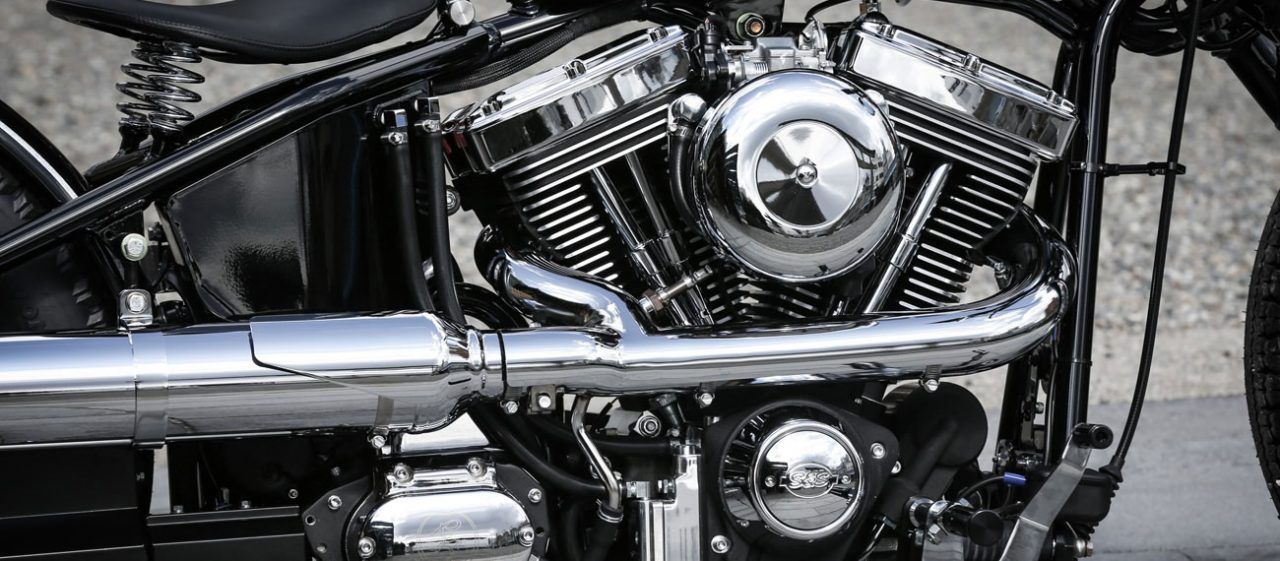
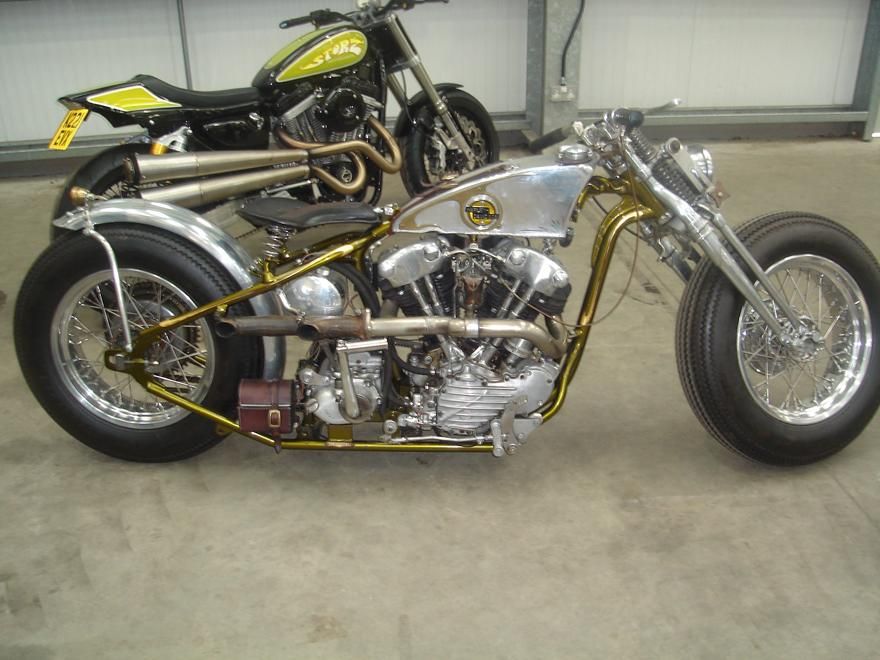
Harley choppers are the anthems of the open road—loud, proud, and unapologetically American. They are the descendants of a lineage that stretches back to the 1940s, when returning GIs modified their bikes to shed weight and add speed. Today, Harley choppers are less about stripping down and more about building up: towering handlebars, elongated forks, and a rumbling V-twin engine that vibrates through your bones. These bikes are about presence, about turning heads as you roll past, about the unmistakable *thump-thump* of a Milwaukee engine.
The appeal of Harley choppers lies in their accessibility. They are not just machines; they are communities. The aftermarket is vast, with endless customization options that allow riders to make their bikes uniquely their own. Whether it’s a Shovelhead, a Panhead, or a modern Milwaukee-Eight, Harley choppers are about personal expression—often loud, sometimes garish, but always unmistakably Harley. They are the bikes of weekend rides, of cross-country adventures, of leather jackets and open highways. They are, in many ways, the soundtrack of American freedom.
Philosophy in Motion: The Cultural Divide
The divide between Zero Engineering’s Japanese choppers and Harley choppers is more than just a difference in design—it’s a clash of philosophies. On one side, you have the Zen-like focus of Japanese craftsmanship, where every line is intentional, and the bike is a meditation on form and function. On the other, you have the exuberant, almost theatrical flair of American customization, where the bike is a canvas for self-expression, no matter how flamboyant.
Japanese choppers often appeal to riders who see motorcycles as art first and machines second. They are for those who appreciate the quiet hum of a well-tuned engine, the way light dances on a polished surface. Harley choppers, by contrast, are for riders who see motorcycles as companions—beasts of burden that carry them through life’s adventures, no matter how rough the road. One is introspective; the other is extroverted. One is a whisper; the other is a roar.
Performance and Handling: The Ride Experience
When it comes to performance, the differences between these two styles are stark. Zero Engineering’s choppers are built for agility and precision. Their lightweight frames, advanced suspension systems, and high-performance engines make them nimble and responsive, ideal for riders who crave control and engagement. These bikes are not just for show; they are built to handle twisty roads and tight corners with ease.
Harley choppers, on the other hand, prioritize comfort and stability. Their heavy frames, soft suspension, and low-end torque are designed for long rides, for the open road where the destination is as important as the journey. The riding position is upright, the seat plush, and the engine’s power delivery is smooth and predictable. These bikes are not about speed or agility; they are about the experience of riding itself—the wind in your face, the hum of the engine, the sense of freedom that comes from the open highway.
Customization and Personalization: The Rider’s Canvas
Both styles offer endless opportunities for customization, but the approaches couldn’t be more different. With Zero Engineering’s choppers, customization is about refinement. It’s about selecting the right materials, the right finishes, and the right details to create a bike that is uniquely yours while still adhering to a cohesive aesthetic. The focus is on subtlety and sophistication, with an emphasis on quality over quantity.
Harley choppers, by contrast, are all about excess. The aftermarket is a playground of chrome, leather, and paint, where riders can transform their bikes into rolling works of art—or kitsch. From neon underglow to custom paint jobs, from extended forks to towering saddlebags, the possibilities are limited only by the rider’s imagination. These bikes are not just machines; they are statements, declarations of individuality that shout to the world, “This is who I am.”
The Community: Who Rides What—and Why
The riders who gravitate toward Zero Engineering’s choppers are often drawn to the understated elegance of Japanese design. They are engineers, artists, and purists who appreciate the marriage of form and function. They ride for the love of the machine, for the way it responds to their touch, for the quiet satisfaction of a well-executed ride. Their community is tight-knit, built around a shared appreciation for craftsmanship and a deep respect for the art of motorcycle building.
The Harley community, on the other hand, is vast and diverse. It includes weekend warriors, long-distance travelers, and weekend partiers, all united by their love for the Harley brand. These riders are often drawn to the sense of camaraderie that comes with being part of the Harley family. They gather at rallies, swap stories, and celebrate the open road. For them, the bike is more than just a machine; it’s a way of life, a symbol of freedom and adventure.
Which Path to Choose? The Eternal Dilemma
So, which path should you take? The answer, of course, depends on what you seek from your riding experience. If you crave precision, control, and a bike that feels like an extension of your own discipline, then a Zero Engineering chopper might be your calling. These bikes are for riders who see motorcycles as art, as a fusion of beauty and performance. They are for those who appreciate the quiet hum of a well-tuned engine and the way light dances on a polished frame.
If, however, you’re drawn to the roar of a V-twin, the sense of freedom that comes with the open road, and the camaraderie of a like-minded community, then a Harley chopper might be your destiny. These bikes are for riders who see motorcycles as companions, as beasts of burden that carry them through life’s adventures. They are for those who love the wind in their face, the hum of the engine, and the sense of belonging that comes with being part of the Harley family.
Ultimately, the choice between a Zero Engineering chopper and a Harley chopper is not just about the bike—it’s about the rider. It’s about what you value, what you seek, and what you hope to find on the open road. Whether you choose the whisper of a Japanese masterpiece or the roar of an American icon, one thing is certain: the ride will be unforgettable.