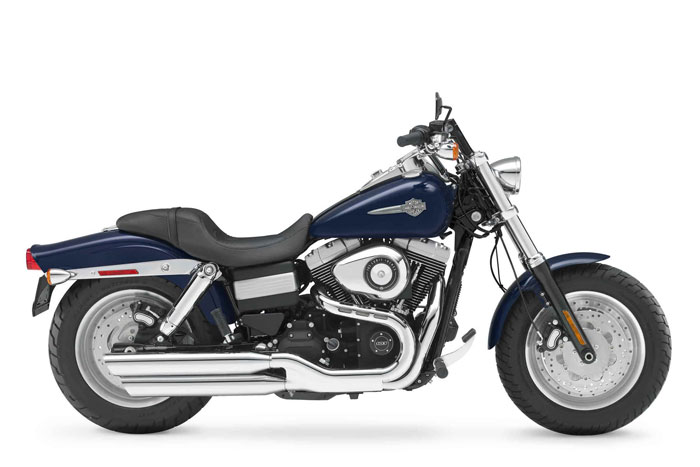
In recent years, Harley-Davidson has faced a tumultuous landscape, prompting the iconic motorcycle manufacturer to close plants and relocate operations. This strategic pivot has sent shockwaves through the motorcycle industry and its ardent fan base. As we examine what these shifts mean for production, it becomes clear that they carry implications not only for the company’s future but also for its workforce, production practices, and customer relationships.
1. Historical Context: The Evolution of Harley-Davidson’s Manufacturing
To fully comprehend the ramifications of plant closures and relocations, one must revisit the storied history of Harley-Davidson. Founded in 1903, the brand has weathered various economic storms, honing its manufacturing processes along the way. From the early days of hand-built motorcycles to contemporary assembly lines, each era has contributed to Harley’s legacy. However, recent disruptions have catalyzed a reevaluation of manufacturing strategies, necessitating the closure of certain plants as part of a broader realignment.
2. Economic Pressures and Market Dynamics
The primary catalyst behind these operational changes is the intense economic pressure facing the motorcycle industry. Global competition has escalated with the emergence of relatively inexpensive alternatives, particularly from manufacturers in Asia and Europe. This dynamic has forced Harley-Davidson to reconsider its production costs and geographical positioning. High tariffs on imported motorcycles, changes in consumer preferences, and the volatile nature of raw material prices also contribute to these economic pressures. In response, the company has opted to streamline operations, which unfortunately translates into the closure of some plants.
3. The Impact of Automation and Technological Integration
As Harley-Davidson contemplates its production landscape, automation and technological advancements emerge as critical themes. The incorporation of sophisticated machinery and robotics into manufacturing lines presents a double-edged sword. On one hand, increased automation can augment efficiency and productivity by reducing labor costs and minimizing human error. On the other, it can lead to significant job losses, particularly in traditional manufacturing hubs. This delicate balance illustrates the complex tapestry of contemporary manufacturing and its intricate relationship with technology.
4. Workforce Implications: Laying Off Longstanding Employees
Perhaps one of the most poignant aspects of plant closures is their profound impact on the workforce. Dedicated employees, many of whom have devoted decades of their lives to the company, face uncertainty and displacement. The emotional toll on these workers cannot be overstated, as the closure of a plant often erodes not just jobs, but also community ties and local economies. Harley-Davidson must navigate these waters carefully, providing support through severance packages or retraining programs to assist employees in transitioning to new opportunities. The human cost of corporate decisions serves as a stark reminder of the interplay between business strategy and individual lives.
5. Relocation Strategies: Seeking Lower Costs and New Markets
Relocation often accompanies closure, as Harley-Davidson seeks to establish a footprint in regions with favorable economic conditions and cost structures. Shifting production to states or countries with lower labor costs can foster profitability, but this strategy does not come without debate. Questions surrounding quality control arise—the essence of Harley-Davidson’s reputation has long been tied to the superior craftsmanship of American-made motorcycles. As manufacturing moves across borders, the potential dilution of brand value looms large. Consumers may perceive a shift in product quality, and a concerted effort to uphold stringent manufacturing standards becomes paramount.
6. Environmental and Sustainability Considerations
In an age where environmental consciousness is at the forefront, Harley-Davidson’s production strategies must also encompass sustainability initiatives. The consideration of eco-friendly practices in the manufacturing process aligns with growing consumer demand for sustainable products. The closures and relocations present an opportunity to reevaluate supply chains and production methods. By adopting green technologies and sourcing materials responsibly, Harley-Davidson can position itself as a leader in environmentally friendly manufacturing—an attractive proposition for a new generation of riders.
7. Consumer Reactions: Brand Loyalty at a Crossroads
The loyal following of Harley-Davidson is both a formidable asset and a potential hurdle during this transformative period. While many enthusiasts appreciate the brand’s storied past, they may feel disheartened by the direction in which the company is headed. The duality of pride in the legacy of American manufacturing juxtaposed with concern for future production practices creates a unique challenge. Consumer perceptions must be managed carefully, ensuring that the company’s moves are framed as strategic and forward-thinking rather than merely reactionary.
8. Future Outlook: Navigating Uncharted Waters
As Harley-Davidson boldly navigates these uncharted waters, multiple avenues for recovery and growth remain. The potential for new markets beckons, particularly as the company assesses demand in emerging economies. Moreover, adapting to changing consumer preferences—like the growing interest in electric motorcycles—presents both challenges and opportunities for expansion. The company’s success will rest on its ability to remain agile, balancing cost efficiency with the uncompromising quality that has always defined the Harley-Davidson name.
In summation, Harley-Davidson’s plant closures and relocations herald significant changes for production and the industry at large. The repercussions extend beyond the factory floor, touching employees, consumers, and the environment. Navigating these challenges will require a multifaceted approach emphasizing technological advancements, workforce support, and sustainable practices. As the company faces forward, the path illuminated by strategic thinking may determine its success in the rapidly evolving motorcycle arena.