The Isle of Man TT (Tourist Trophy) race has long been enshrined in the annals of motorsport history, primarily due to its intoxicating blend of speed, danger, and the breathtaking backdrop of the Isle of Man. Nested in the Irish Sea, this race draws spectators and competitors alike into a world where adrenaline meets peril. While many motorcycle races are celebrated for their thrilling experiences, the TT race stands apart, often earning the moniker of the “world’s most dangerous road race.” But why such fascination with a race that sits at the precipice of peril? To unravel this enigma, one must delve deeper into the intrinsic elements that make the Isle of Man TT an unparalleled spectacle.
The History and Heritage: A Prelude to Danger
Established in 1907, the Isle of Man TT quickly blossomed into a cornerstone of motorcycle racing. Its historical evolution is marked by both triumph and tragedy, with riders pushing the limits of human endurance and engineering. The race’s initial purpose was to showcase and promote the burgeoning motorcycle industry, but it soon morphed into a battleground for speed enthusiasts. Over time, a myriad of tragedies has befallen competitors, with numerous fatalities and serious injuries contributing to its fearsome reputation. This tangled history forms an alluring tapestry that captivates not just racing aficionados, but also those drawn to the dramatic interplay of life, death, and daring.
The Course: An Infamous Circuit
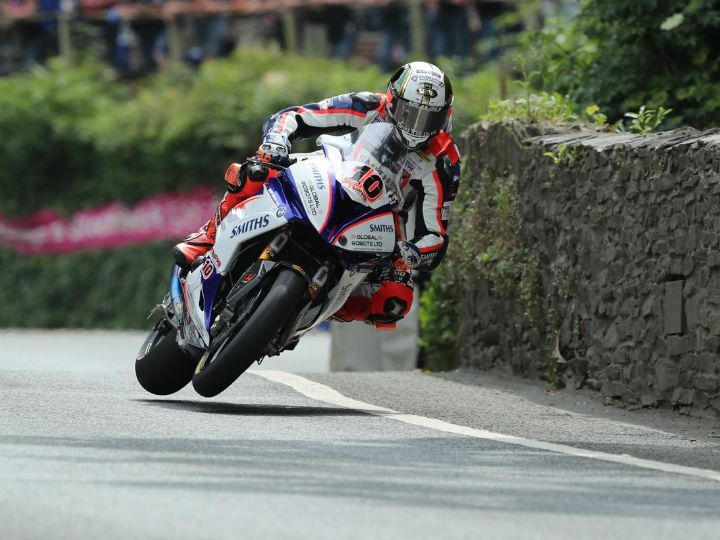
The 37.73-mile Mountain Course, with its treacherous twists and turns, is an integral component of the appeal. Unlike conventional closed tracks, the Isle of Man circuit navigates through public roads, encompassing quaint villages, steep gradients, and unforeseen obstacles. Riders confront the unique challenge of racing at breakneck speeds over uneven surfaces while paying heed to the ever-present danger of roadside barriers, stone walls, and even spectators. The course’s idiosyncratic layout means that riders must rely heavily on their skills, instincts, and intimate knowledge of the track. The unpredictability of road racing – where each corner can surprise – adds layers of complexity that electrify both the competitors and the audience.
The Riders: Icons of Bravery
Each competitor at the Isle of Man TT is more than just a racer; they are modern-day gladiators embracing the epitome of risk. To qualify, riders must demonstrate exceptional skill and mastery, often embarking on years of dedicated practice. The legendary status of TT conquerors like Joey Dunlop and more contemporary champions such as Michael Dunlop epitomizes the allure of not just speed, but also audacity. These riders possess a psychological resilience that allows them to confront fears head-on, enhancing their appeal as champions. In many ways, the riders are seen as thrill-seekers pushing the human spirit to new heights, fostering an insatiable fascination with their exploits.
The Spectacle: A Carnival of Senses
During race week, the Isle of Man transforms into a carnival of motorcycling culture. Fans from across the globe parade the streets alongside the racers, creating an atmosphere pulsating with an intoxicating mix of excitement and apprehension. The cacophony of revving engines, the scent of burnt rubber, the roar of the crowd – it’s a sensory feast that draws both diehard fans and curious onlookers. This vibrant milieu amplifies the exhilarating experience of the race, blurring the line between spectator and participant, further enhancing that irresistible draw to the dangerous unknown.
The Psychology of Danger: A Compelling Attraction
The allure of danger is deeply woven into the very fabric of human psychology. Research shows that many individuals are inherently attracted to risky endeavors as a way to confront mortality and explore their limits. The Isle of Man TT serves as a visceral manifestation of this fascination. Viewers are entranced not only by the extreme speeds but more so by the ever-looming threats posed to both the athletes and the spectators. It is this dynamic that sparks feelings of admiration mingled with anxiety, piquing interest in what it means to embrace risk in a controlled (yet perilous) manner.
Innovations in Safety: Striving for Balance
In recent years, strides towards improving safety measures have been implemented, seeking to safeguard riders without compromising the core essence of the TT. Advanced technology in bike engineering, protective gear, and rigorous pre-race inspections aim to mitigate the extreme risks associated with the event. While these measures are commendable, they also introduce a complex dialogue about the intersection of safety and thrill. Many purists wonder if such enhancements dilute the intoxicating allure of the race. This ongoing tension serves to heighten the fascination surrounding the event as stakeholders grapple with how to balance danger with safety.
Conclusion: The Irresistible Pull of the Isle of Man TT
The Isle of Man TT is not merely a race; it’s a cultural phenomenon imbued with history, risk, spectacle, and an ongoing quest for excellence. While its reputation as the world’s most dangerous road race is grounded in fact, it is not solely this peril that draws participants and spectators year after year. It is the complex interplay of human bravery, advanced engineering, and visceral entertainment that fuels an ongoing obsession with the TT. The thrill seekers, the talented riders, and the devoted fans are all part of a narrative that speaks to a deeper, almost primal need: the quest to confront speed, challenge fear, and immerse oneself in the evocative embrace of danger. Whether you are rooting from the sidelines or daring to compete, the Isle of Man TT is the epitome of motorsport that leaves an indelible mark on all who encounter it.