In the pantheon of automotive legends, few names resonate with the same magnetic pull as Donny Savage—an OCC pinstriper whose brushstrokes didn’t just adorn metal, they breathed soul into it. His work wasn’t merely decoration; it was a visual symphony, a dance of chrome and color that whispered stories of rebellion, craftsmanship, and unapologetic flair. To remember Donny is to recall a maestro who turned the mundane into the magnificent, leaving behind a legacy etched not just in paint, but in the very ethos of custom culture.
The Alchemy of Pinstriping: Where Precision Meets Poetry
Pinstriping is often dismissed as a mere embellishment, a delicate filigree on a car’s flanks. But Donny Savage saw it as something far more profound—an alchemical process where a steady hand and a keen eye could transmute sheet metal into a canvas of kinetic energy. His lines weren’t drawn; they were *choreographed*. Each stroke was a deliberate step in a ballet, where the brush became an extension of his imagination, gliding over curves with the precision of a surgeon and the passion of a poet.
Consider the way his pinstripes seemed to *breathe*, undulating like the wake of a speedboat slicing through water. They didn’t just follow the contours of a vehicle; they *enhanced* them, turning a simple fender into a rippling muscle, a hood into a horizon line. Donny understood that pinstriping was less about decoration and more about *communication*—a silent language that spoke to the soul of the machine and the spirit of its owner.
Rebellion in Every Line: The Outlaw Aesthetic
There was a defiance in Donny’s work, a refusal to be boxed in by convention. His designs were unapologetically bold, a middle finger to the sterile, mass-produced aesthetics of the assembly line. He thrived in the underbelly of car culture, where the real magic happened—not in showrooms, but in back-alley garages and midnight cruises. His pinstripes were the battle scars of a warrior who had fought for every inch of his craft, each line a testament to a life lived on the edge of convention.
Imagine a 1957 Chevy Bel Air, its once-pristine white paint now a canvas for Donny’s handiwork. Instead of delicate ivory tendrils, the car wears a *crown* of electric blue and gold, a serpentine motif that slithers across its flanks like a living thing. This wasn’t just customization; it was *transubstantiation*—turning the ordinary into the extraordinary, the forgotten into the fetishized. His work didn’t just catch the eye; it *haunted* it, lingering in the periphery of vision like a half-remembered dream.
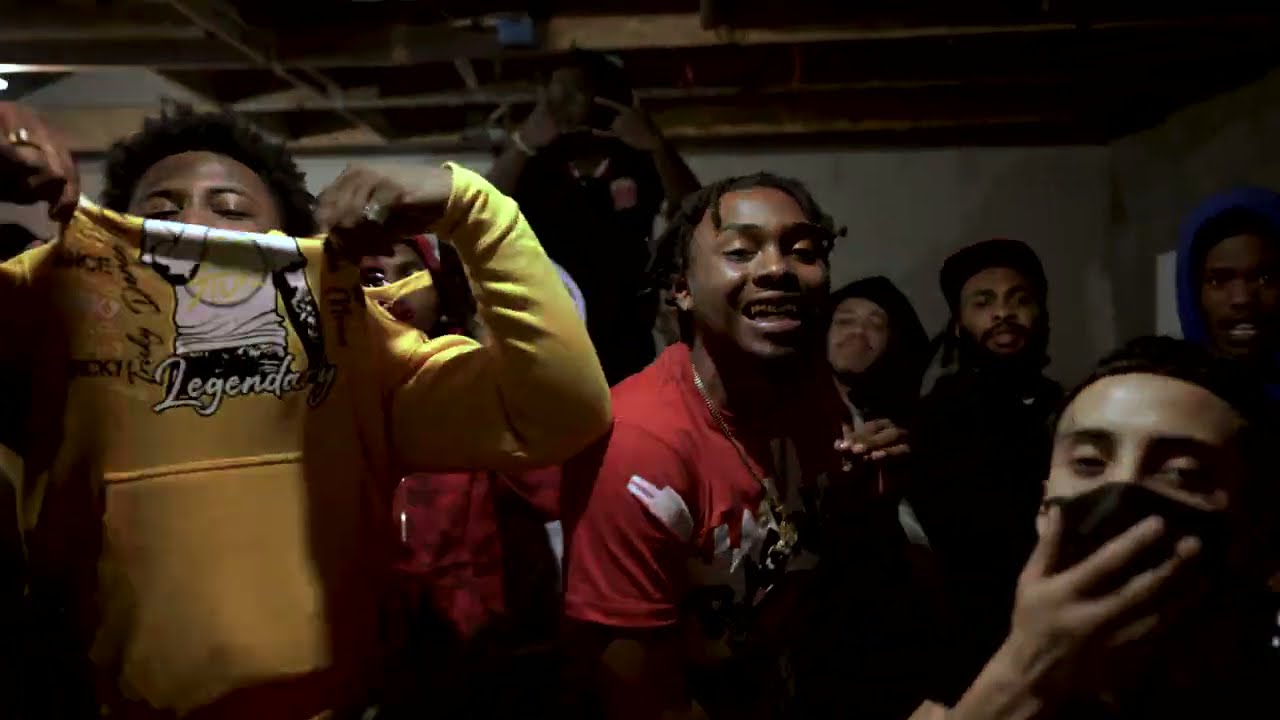
The Soundtrack of a Movement: Music as the Pulse of Custom Culture
Donny Savage wasn’t just a pinstriper; he was a *vibe*. His work was inextricably linked to the rhythm of the streets, the hum of engines, the bassline of a hip-hop track thumping through a car’s speakers. Music wasn’t just background noise for him—it was the *fuel* that powered his creativity. Whether he was lost in the hypnotic loops of a trap beat or the raw energy of a rock anthem, his pinstripes carried the same electric charge as the music that inspired them.
There’s a reason his designs feel alive. They *pulse*. They *groove*. They’re the visual equivalent of a drop in a bass-heavy track, a sudden shift in tempo that makes your heart skip a beat. Donny understood that custom culture wasn’t just about how a car looked—it was about how it *felt*. And for him, that feeling was inseparable from the soundtrack of his life. His pinstripes weren’t static; they were *songs* frozen in time, waiting to be unleashed with the turn of a key.
The Legacy of a Ghost: Why His Work Still Haunts Us
Great artists leave behind more than just their creations; they leave behind an *absence* that aches. Donny Savage’s untimely departure didn’t silence his work—it amplified it. His pinstripes, once confined to the bodies of cars, now roam the digital ether, immortalized in videos and images that refuse to fade. They’re the ghosts of a bygone era, flickering in the corners of our screens like a half-remembered melody.
What makes his legacy endure isn’t just the skill of his hands, but the *spirit* behind them. Donny didn’t just paint cars; he painted *dreams*. He turned machines into muses, turning the mechanical into the mythic. His work was a love letter to the outlaw, the misfit, the one who dared to stand apart. And in a world that increasingly demands conformity, that refusal to blend in feels more radical than ever.
To remember Donny is to remember that custom culture isn’t just about modification—it’s about *transformation*. It’s about taking something broken and making it beautiful, taking something ordinary and making it extraordinary. His pinstripes were more than lines on a car; they were the *scars* of a life lived fully, the *wings* of a soul that refused to be grounded.
The Future He Inspired: Pinstriping as a Rebellion
The influence of Donny Savage isn’t confined to the past; it’s a living, breathing force that continues to shape the future of custom car culture. New generations of pinstripers look to his work not just for inspiration, but for *permission*—permission to break the rules, to color outside the lines, to make their mark in a world that often tries to erase individuality.
His legacy is a challenge: to keep the flame of rebellion alive. To remember that pinstriping isn’t just about aesthetics—it’s about *identity*. It’s about saying, “This is who I am,” in a world that would prefer you to stay silent. Donny’s work reminds us that customization isn’t just about changing a car; it’s about changing *ourselves*—about refusing to be invisible, about turning our passions into our armor.
So the next time you see a car adorned with pinstripes that seem to move, that seem to *live*, take a moment to remember Donny Savage. Remember the man who taught us that beauty isn’t found in perfection, but in the *imperfections* that make us human. Remember the artist who turned metal into magic, and who left behind a world that’s a little brighter, a little bolder, and a lot more *alive* because of him.