When it comes to crafting custom motorcycles, the artistry of metal shaping serves as an essential cornerstone of the entire endeavor. Engaging with this intricate craft, often referred to as metal forming or metal fabrication, invites riders and builders alike to transcend the conventional narratives of mass production. Instead, the world of custom bike fabrication offers a personal touch, where every curve and contour becomes a testament to individual creativity and mechanical ingenuity. Below, we delve into the foundational elements of learning metal shaping for custom bikes, exploring techniques, tools, and the transformative journey of “Poundin’ Steel 101.”
1. Understanding the Basics of Metal Properties
Before embarking on any metal shaping venture, one must first grapple with the properties of steel and aluminum. Each metal behaves differently under heat and pressure, influencing how they can be manipulated. Knowledge is power; thus, familiarizing yourself with terms like malleability, ductility, and tensile strength will bolster your comprehension. Malleability enables a metal to deform under compressive stress, while ductility pertains to its ability to stretch into wires or shapes without breaking. Understanding these properties is crucial, for they dictate how to work with each metal effectively.
2. Essential Tools for the Trade
No metal shaper can operate effectively without a curated selection of tools. The arsenal typically includes:
- Hammers: Often referred to as the backbone of shaping tools, hammers come in various types, such as flat, ball-peen, and rubber, each serving distinct purposes from aggressive shaping to subtle adjustments.
- Anvils: These sturdy platforms provide a reliable surface for pounding, allowing for accurate metal forming and shaping.
- Bending Jigs: Custom jigs can aid in producing precise bends, ensuring consistency across multiple components.
- Welding Equipment: Mastery of welding is paramount, as seams and joints must be executed flawlessly to withstand the rigors of road travel.
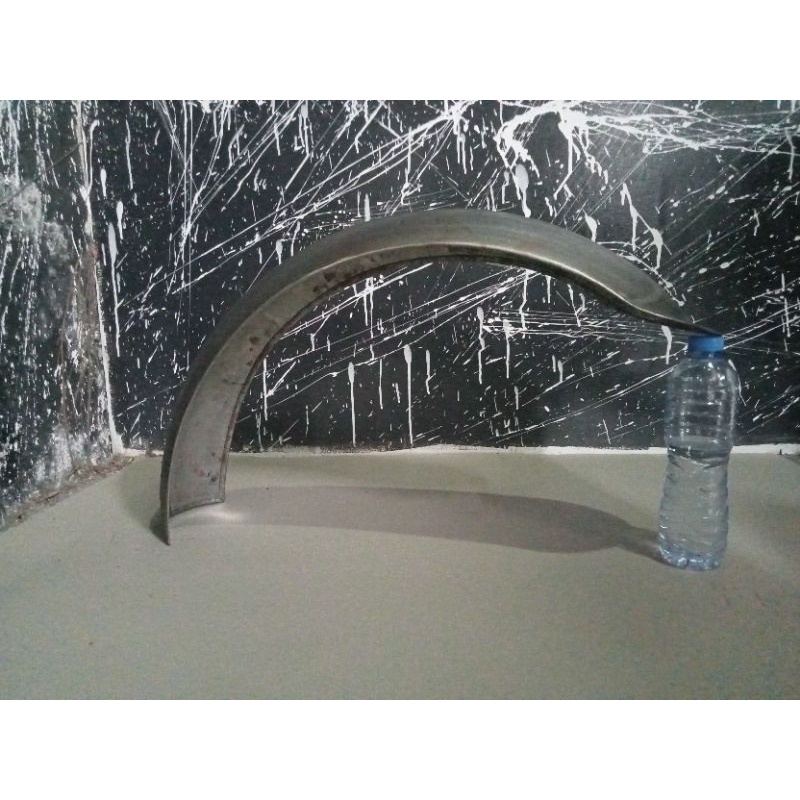
- Rolling Machines: These machines facilitate the creation of curves and arcs, enabling the crafting of fenders and gas tanks that fit seamlessly into your custom design.
3. Fundamental Techniques: Forming and Shaping
The artistry of metal shaping is defined by its techniques, each requiring a blend of patience, practice, and precision.
- Hammer Forming: This technique involves using a hammer to shape metal over a form or die. By strategically striking the metal, the surface transitions into the desired shape. It’s a dance of rhythm and force, requiring the craftsman to gauge pressure and angle.
- Stretch Forming: In this method, the metal is tensioned while being heated, allowing for dramatic bends and curves without inducing stress fractures. It’s ideal for creating visually striking elements that mimic the organic lines found in nature.
- Planishing: A smoothing technique that refines the surface of the metal by using a planishing hammer. It eliminates imperfections, enhances shine, and prepares the metal for final welding or painting.
- English Wheel: Utilized for creating complex curves, the English wheel employs two wheels to gradually stretch metal into compound shapes. Mastery of this tool allows a craftsman to turn flat sheets of steel into beautifully contoured components.
4. Designing for Customization: The Artistic Vision
Each custom bike is not merely a mode of transportation; it is an expression of personality. As such, the design phase holds monumental significance. Graphical sketches or CAD (Computer-Aided Design) software can facilitate the transition from ideation to tangible creation. The design process challenges builders to envision how various elements like fuel tanks, fenders, and seat pans can harmonize. This creativity fuels the motivation to delve deeper into metal shaping techniques, as the dream becomes more concrete.
5. The Learning Curve: Resources and Communities
Assembling a comprehensive knowledge base is pivotal in the journey of metal shaping. Community colleges, workshops, and online platforms provide numerous opportunities for aspiring builders to learn. Online forums and social media groups unite craftspeople around the world, fostering a spirit of collaboration. Engaging with these communities can ignite curiosity, generating new ideas and techniques that enrich the craft.
6. Overcoming Challenges and Mistakes
Mistakes in metal shaping are not merely setbacks but valuable lessons. Each misstep leads to insights that refine skills. Understanding how to repair errors—be it through welding, hammering, or cutting—ultimately builds resilience and expertise. Success is not only measured by the flawless execution of tasks but also by the growth engendered from overcoming obstacles.
7. Safety First: Protecting Yourself in the Shop
The workshop can be a perilous environment, and safety should always reign supreme. Proper protective gear, including safety glasses, gloves, and steel-toed boots, is non-negotiable. The ferocity of metal shaping demands vigilance and respect; every cut or strike requires full attention. An acute awareness of one’s surroundings can prevent accidents and ensure a productive crafting experience.
8. Beyond the Shop: The Impact of Custom Metal Shaping
The art of metal shaping extends beyond mere vehicle modification; it encapsulates a philosophy of individuality and self-expression. As each builder shapes their bike, they leave an indelible mark of creativity that transcends time and trends. Custom bikes, born from the artistic synergy of metal and imagination, embody a movement fueled by passion and a relentless pursuit of excellence.
In conclusion, embarking on the journey of metal shaping for custom bikes is a transformative experience, rich with complexity and reward. The nuances of Poundin’ Steel 101 encapsulate not just the mechanics of metal forming but also the spirit of creation. As the steel is shaped, so too is the identity of the rider, forged in the fires of craftsmanship and inventive thought.