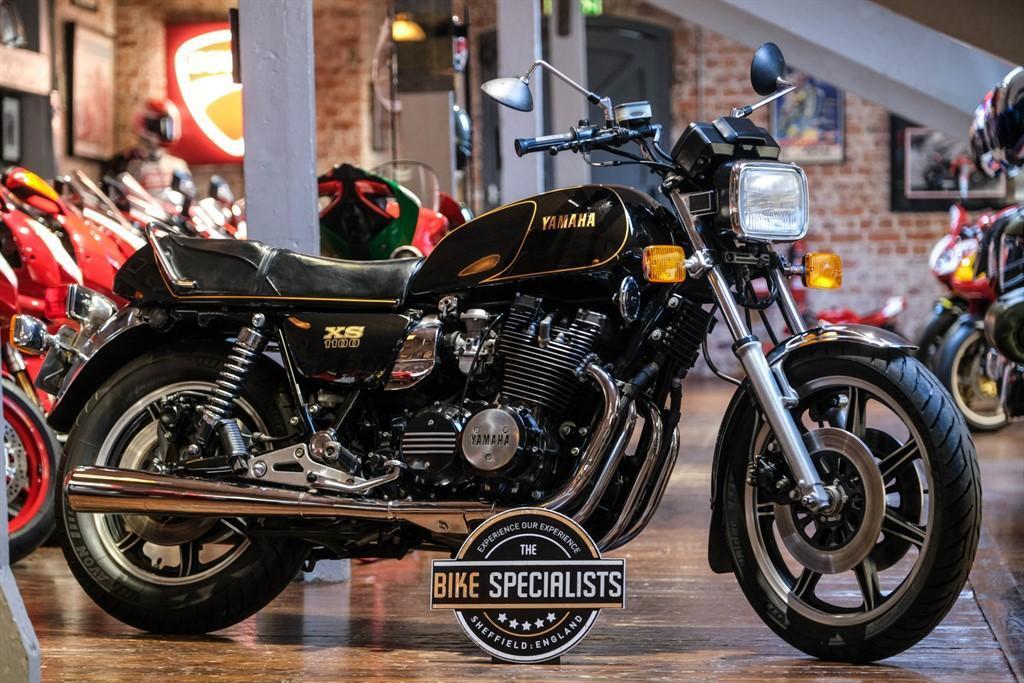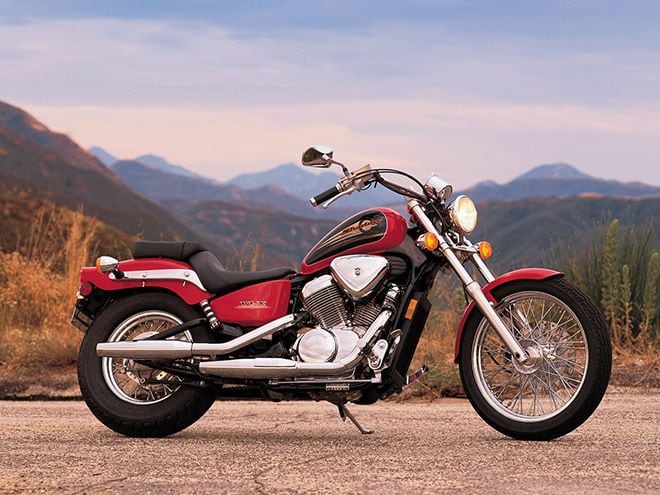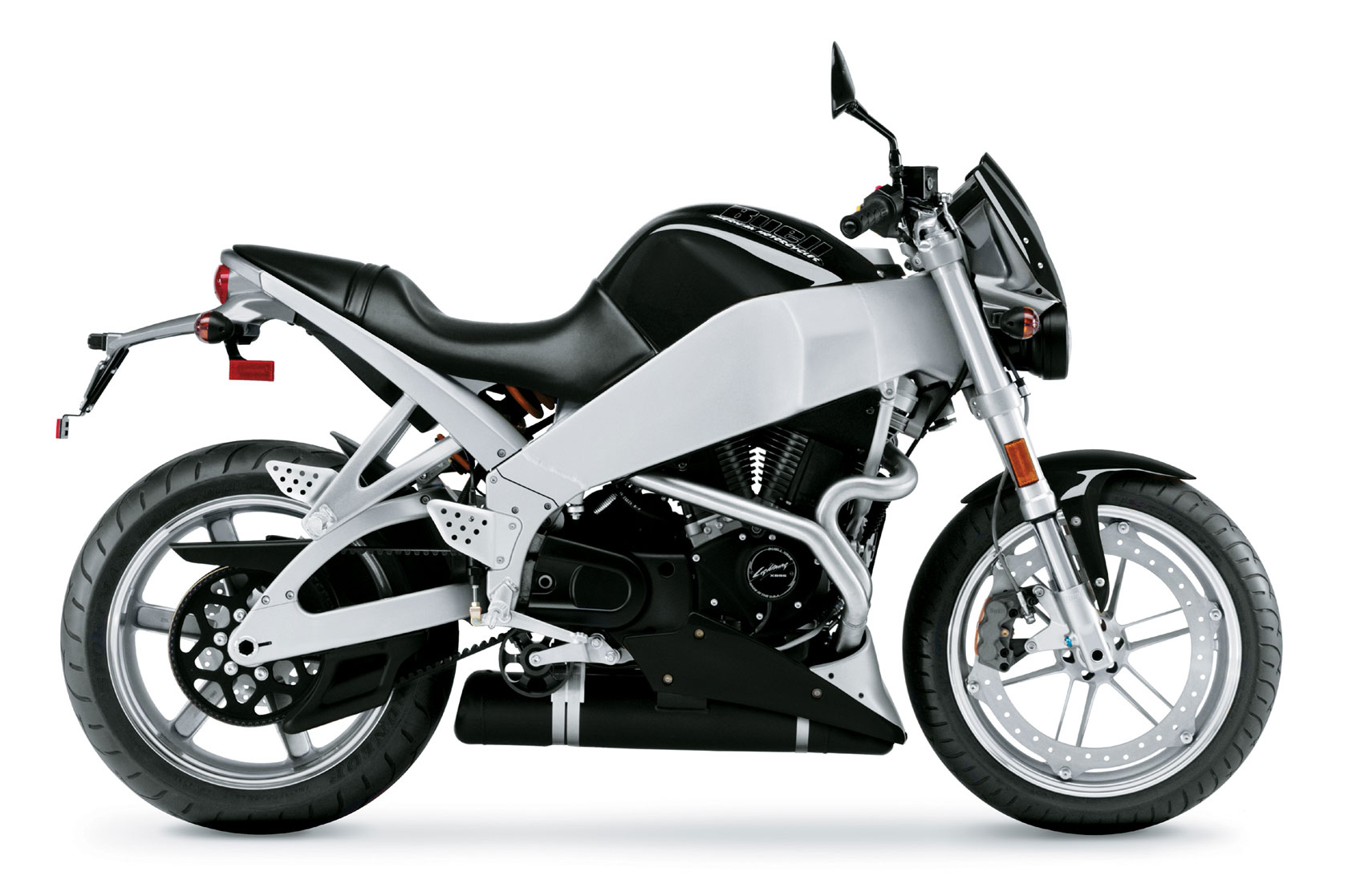
Have you ever swung a leg over a sleek modern motorcycle, revved the engine, and still felt a twinge of nostalgia for the throaty growl and visceral feedback of a 1970s bike? It’s a curious paradox: contemporary motorcycles boast cutting-edge technology, blistering acceleration, and improved efficiency, yet many riders swear that those vintage steeds from the ’70s feel more powerful—more alive, even—beneath them. What is it about these machines from a bygone era that stirs such an impassioned response? Is it merely romanticized nostalgia, or do these older motorcycles genuinely hold a kind of primal, mechanical potency that new models lack?
The sensation of power is often conflated with measurable horsepower and torque figures, but the reality is far more nuanced. The 1970s witnessed a golden age of motorcycle engineering that brought about machines with larger, less restricted engines, simpler mechanical components, and a distinctive sensory character. The feel of a ’70s motorcycle’s power is tied not just to brute strength, but to the holistic interplay of sound, feedback, design, and rider engagement, which together create an experience both tactile and emotional.
To understand why 1970s motorcycles feel more powerful, it’s crucial to examine the mechanical philosophy behind their design. Unlike many modern motorcycles, which often prioritize electronic aids, emissions control, and fuel efficiency, ’70s bikes were unabashedly analogue. Their air-cooled engines, carbureted fuel systems, and minimal electronic intervention meant that raw, unfiltered combustion generated every ounce of thrust. This directness translated to a punchy throttle response that today’s ride-by-wire systems sometimes dilute. The engine’s vibrations, irregular yet harmoniously chaotic, communicated a sense of life and urgency that modern motorcycles strive to tame.
Consider the sound profile of a 1970s motorcycle. The exhaust notes of that era—deep, sonorous, and muscular—were intrinsic to the perception of power. The rumble was not just accompaniment; it was a clarion signal of mechanical might that could be felt reverberating through the rider’s body. Contemporary motorcycles, compelled by stringent noise regulations and advancements in muffler technology, often emit a more muted roar. This sonic attenuation, while beneficial for community noise levels, inevitably diminishes the auditory substantiation of power that once accompanied every twist of the throttle.
Weight distribution and chassis design also play an essential role. Bikes from the 1970s were generally heavier and had stiffer frames, which affected the way power was transmitted to the road and felt by the rider. This heft provided a tangible presence, an unyielding solidity that lent substance to acceleration and cornering. The mass of the motorcycle served as a counterbalance to engine output, creating a dynamic tension between inertia and propulsion that modern lightweight frames, designed for agility and speed, hardly replicate in the same manner. In essence, this gave the feel of raw, mechanical muscle pushing against the laws of physics rather than slicing through them with scientific precision.
Another critical factor lies in the sensory engagement demanded by motorcycles of the ’70s. Technical simplicity necessitated more rider input. Riders had to master manual choke operation, fine-tune carburetors, and contend with less forgiving clutch and gearbox designs. This augmented the perception of power because the rider was not a passive passenger but an active participant in harnessing and unleashing the engine’s potential. The tactile feedback from the gear lever, the pull of the clutch cable, and the need for precise throttle modulation fostered a symbiotic relationship between man and machine. Modern motorcycles, laden with electronic management systems such as traction control, ABS, and seamless gearboxes, can feel detached—gliding effortlessly but sometimes at the expense of visceral immediacy.
Despite these appealing attributes, it’s important to recognize that ’70s motorcycles were not without their compromises. Reliability was more variable, maintenance was frequent, and safety features were minimal. Yet, the mechanical idiosyncrasies—the slight hesitations, the occasional backfire, the manual tuning—add layers of personality that command attention and respect. The imperfect nature of these machines contributes paradoxically to their powerful appeal. They are living, breathing entities with character, unlike today’s motorcycles, which often resemble computers on wheels, obsessively engineered for optimization rather than excitement.
One might argue that the pursuit of greater power today has been subordinate to greater control and sustainability. Modern motorcycles balance power with electronics that smooth out spikes in acceleration, enhance rider safety, and curb environmental impact. The engines are high-revving and efficient but this clinical refinement can mask the raw mechanical potency perceived in earlier models. This shift in engineering philosophy inevitably alters the rider’s emotional connection with the bike. The result is a paradox where sheer numbers tell one story, yet the sensations conveyed tell another—a story that favors a more visceral interpretation of power, often associated with the past.
Moreover, the aesthetic and cultural symbolism of 1970s motorcycles contributes to their perceived power. The bold, angular designs, chrome finishes, and muscular silhouettes evoke a sense of rebellion and freedom that resonates with riders’ imaginations. This psychological dimension cannot be ignored; the way a motorcycle looks and the memories or myths it conjures inflect the sensory experience. A 1970s bike often embodies the ‘bad boy’ charm in the motorcycling collective consciousness—a charm that modern, polished superbikes may lack.
Ultimately, the feeling of power is inseparable from the rider’s holistic sensory and emotional experience. In this regard, 1970s motorcycles offer an unvarnished, grainy, and richly textured encounter that contrasts with the digital precision of today’s machines. They challenge riders to engage physically and mentally, providing a rough-hewn but unforgettable sense of authority over the road.
So, why do ’70s motorcycles feel more powerful than new ones? Perhaps it isn’t a straightforward question of horsepower or technology but rather a profound recognition that power is as much psychological and sensory as it is mechanical. The challenge lies in reconciling the alluring imperfections and mechanical charisma of the past with the seamless sophistication of today. For every rider craving that intoxicating feeling of raw control and deep connection, the vintage motorcycle remains an enduring icon of unfiltered power, inviting us to ask—and imagine—what true power really feels like beneath our fingertips.