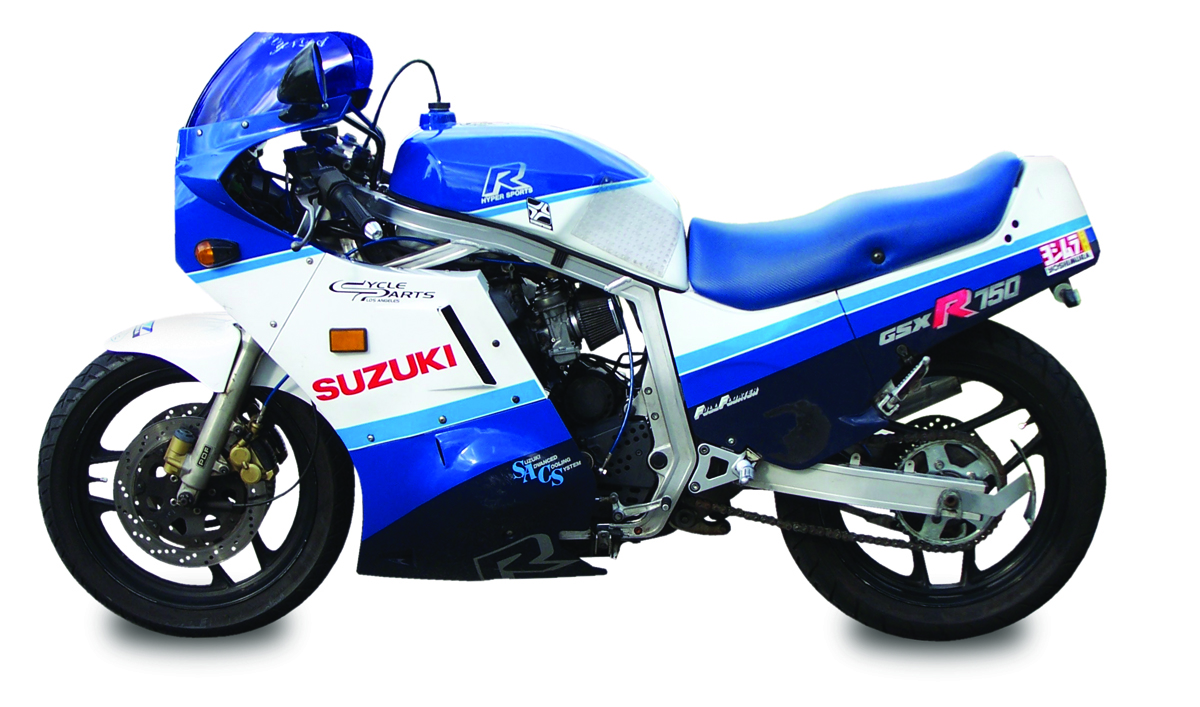
In the bustling streets of New York, the interplay between a complex urban environment and burgeoning traffic demands adept driving skills. Emergency braking is an essential skill for navigating these challenges effectively. Here, we unveil ten emergency braking techniques that can help you halt rapidly without sacrificing control, ensuring safety in neighborhoods that pulse with life. Understanding and implementing these strategies can transform your driving perspective and enhance both confidence and awareness on the road.
1. The Stomp and Steer Technique
The very essence of quick stops lies in the Stomp and Steer technique. In scenarios where immediate braking is paramount, the driver must firmly press the brake pedal while simultaneously steering the vehicle toward a safe escape route. This dual-action maneuver allows for rapid deceleration without succumbing to the often overwhelming impulse of panic. The driver adeptly redirects the vehicle’s course, seeking to avert potential obstacles while preserving stability.
2. Threshold Braking
Employing threshold braking involves a delicate balance: applying maximum brake force just shy of wheel lockup. The art of this technique focuses on the driver’s ability to sense the threshold of grip, thus allowing for controlled deceleration. To practice this, one might find safe, open spaces wherein to learn vehicle responses, enhancing muscle memory. In New York neighborhoods, especially around commercial areas like Times Square or near Central Park, optimal braking can mean the difference between avoidance and collision.
3. Anti-lock Braking System (ABS) Utilization
Modern vehicles equipped with Anti-lock Braking Systems (ABS) offer an unparalleled advantage during emergency stops. Under heavy braking, ABS prevents wheel lockup, enabling the driver to retain steering control. In a sudden stop situation, the driver should press down firmly on the brake pedal while maintaining pressure. Let the system do its job; responsiveness is key. Familiarizing oneself with how ABS functions during emergency scenarios can build the confidence needed to react seamlessly in critical moments.
4. Downshifting as a Deceleration Technique
When approaching an impending halt, utilizing downshifting can significantly assist in reducing speed. By shifting to a lower gear, the engine’s braking effect can contribute to deceleration, reducing reliance on braking alone. This method not only preserves brake life but enhances vehicular control, particularly in hilly neighborhoods such as those found in Riverdale. This technique can be crucial to mastering when navigating the unique topography of the city.
5. The Emergency Brake Application
In extreme situations, the emergency brake can serve as a lifesaver. This hand-operated lever, or foot pedal in some vehicles, can be engaged to slow the vehicle when traditional braking methods fail or seem insufficient. Timing is critical; engage it gently to avoid inducing a skid. This technique may be necessary in scenarios where other vehicles or pedestrians pose unexpected risks. However, familiarity with one’s vehicle’s response to the emergency brake is paramount in ensuring a controlled stop.
6. Brake and Release Technique
For those daunting situations that demand rapid stopping, the brake-and-release technique provides remarkable efficacy. This method involves sharply applying the brakes and then releasing momentarily, allowing the vehicle’s weight to shift forward, enhancing grip. Upon reapplying the brakes, the driver’s control over the vehicle is markedly improved. This technique requires a delicate touch but can be a game changer when navigating busy intersections or pedestrian-heavy areas like those near Astor Place.
7. Understanding Road Conditions
Mastering emergency braking goes beyond mere technique; it is profoundly influenced by a keen understanding of road conditions. Wet, icy, or uneven surfaces can drastically alter braking effectiveness. Knowledge gleaned from observing the environment can sharpen response times in adverse conditions. Mindfulness of these dynamics, particularly during inclement weather in neighborhoods such as Brighton Beach, can mitigate risks and enhance safety.
8. Use of Mirrors and Situational Awareness
Effective emergency braking is predicated on situational awareness and the adept use of mirrors. Maintaining vigilance regarding the behavior of surrounding vehicles can preemptively inform braking decisions. Anticipating the actions of others can often dictate the need for sudden stops. Frequent checks of mirrors can furnish the driver with vital information regarding the immediate environment, enabling a proactive approach rather than a reactive one.
9. Practicing Defensive Driving
A cornerstone of emergency braking is the philosophy of defensive driving. This proactive mindset encourages anticipating potential hazards and responding accordingly to minimize risks. By maintaining appropriate distances and being aware of peripheral distractions, drivers can optimize their emergency braking tactics, enhancing overall safety as they navigate the characteristic density of urban life throughout New York.
10. Understanding the Vehicle’s Dynamics
Every vehicle behaves differently in emergency scenarios, and as such, it is crucial to comprehend your specific vehicle’s dynamics, including weight distribution and braking response. Familiarity with these characteristics can streamline the decision-making process when rapid stops are demanded. Engaging in practical exercises, such as emergency braking drills in controlled environments, can fortify this understanding.
As we traverse the intricate fabric of New York City, the ability to stop swiftly without losing control becomes an art form developed through practice and understanding. By adopting these ten techniques, drivers can prepare to meet the unexpected with confidence and poise, thereby transforming anxiety into assuredness during those vital moments on the road.