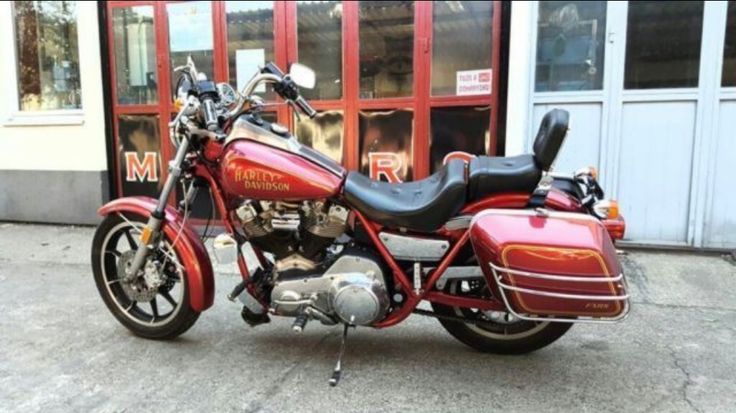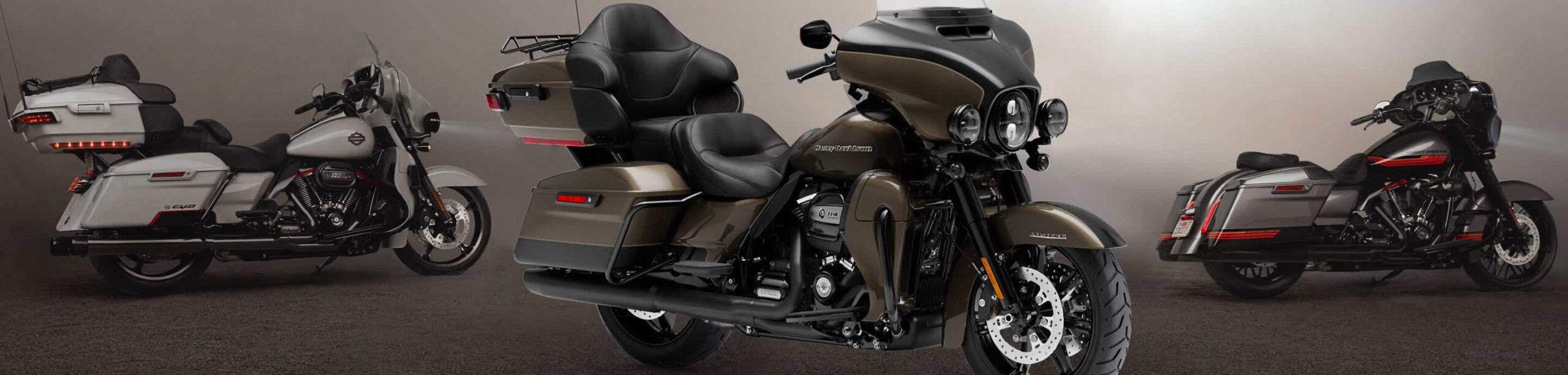
The Harley 1450cc engine is more than just a powerplant; it’s the throbbing heart of a legendary machine that has come to symbolize freedom, rebellion, and craftsmanship. Imagine this engine as a meticulously crafted symphony, where raw mechanical power fuses with timeless design to orchestrate an unparalleled riding experience. Not merely measured in numbers, the Harley 1450cc engine tells a story of engineering prowess and cultural significance, a story written in the language of horsepower and torque that beckons riders to explore the open road with fervor and passion.
At the core of this mighty engine lies its displacement—1450 cubic centimeters—a volumetric measurement that hints at the robust capacity to ingest air and fuel, translating chemical energy into vigorous motion. This figure alone is not just a statistic; it symbolizes an evolutionary leap from the earlier evolution of Harley-Davidson powertrains, representing a harmonious balance between brute strength and refined mechanical precision. The 1450cc is often affectionately regarded as the “Twin Cam 88,” a nod to its two camshafts that symbolize the engine’s intricate internal dance.
At the intersection of raw potency and graceful engineering, the horsepower output of the Harley 1450cc engine is a defining characteristic. Horsepower, in this context, serves as a quantifier of the engine’s ability to perform work over time. In the world of Harley enthusiasts, the engine typically produces in the realm of 67 to 80 horsepower, depending on its tuning and configuration. This power, while not necessarily shattering records when compared to sportbikes, is calibrated deliberately to emphasize a steady, reliable forward thrust rather than fleeting bursts of speed. It is a measured tempest, a controlled dynamism that offers a visceral riding experience with an undercurrent of timeless durability.
Yet, horsepower only sketches part of the portrait. The true soul of the 1450cc engine emerges in its torque characteristics—a twisting force that imparts immediate acceleration and lends the machine its unmistakable grunt. Torque can be likened to the engine’s handshake with the rider; it conveys strength and responsiveness with every twist of the throttle. The 1450cc engine boasts torque figures hovering around 90 to 100 lb-ft, a veritable earthquake beneath the frame that propels the Harley forward with a decisive push. This robust torque manifests as that signature Harley rumble—a deep, sonorous growl that resonates not just through the body of the bike but through the very bones of the rider.
The mechanical symphony within the 1450cc engine is a masterpiece of design lineage. Its Twin Cam configuration introduced in the late 1990s revolutionized the Harley-Davidson lineup by improving valve timing and boosting durability. Two camshafts work in unison to open and close valves with refined precision, enhancing airflow and combustion efficiency. This innovation was a leap forward from the earlier Pushrod engines, which, while iconic, lacked the enhanced breathing capacity the Twin Cam design afforded. The result is an engine not only built for strength but for longevity—a testament to Harley’s commitment to marrying tradition with innovation.
Moreover, the engine’s metallurgy and construction add a layer of artisanal reverence. The 1450cc’s alternator cover and cylinder heads often feature signature Harley styling elements, like distinct fins that maximize air cooling and a chrome adornment that appeals to the aesthetic sensibilities of riders and collectors alike. These visual cues amplify the emotional connection riders feel, reinforcing the motorcycle’s status as a living piece of art, not merely a machine. The engine is an artifact, a kinetic sculpture that invites inspection and admiration as much as it demands respect on the road.
The legacy of the Harley 1450cc engine is inseparable from the broader narrative of American motorcycling culture. It embodies decades of evolution, a lineage that has survived the vicissitudes of changing technologies and shifting market demands. This engine powered countless models—from cruisers to touring bikes—carrying riders on journeys that were as much about self-discovery as about mileage. Harley riders often describe the feeling of riding with this engine as communion—a forging of intimate trust between rider and machine, where mechanical imperfections become endearing quirks, each contributing to the bike’s unique character.
Additionally, the aftermarket support and tuning possibilities for the 1450cc engine carve out yet another dimension of its appeal. Enthusiasts and mechanics alike revel in the opportunity to customize torque curves, recalibrate fuel injection, or exhaust systems to tailor the engine’s output to personal stylistic preferences. This aspect transforms the engine from a static entity into a canvas upon which riders can etch their individuality. The Harley 1450cc engine thus serves as a tangible link between the factory floor and the open road, inviting participation in an ongoing dialogue of mechanical evolution.
From a technical standpoint, maintaining optimal torque specs is crucial for ensuring the longevity and performance of the engine. Torque values for critical fasteners and components are meticulously specified, often documented in Harley-Davidson forums and technical manuals, serving as a vital reference for mechanics and enthusiasts alike. Precision here is paramount, because it preserves the delicate equilibrium where power, reliability, and safety converge—a triumvirate essential to the Harley experience.
The jaw-dropping harmony between mechanical engineering and cultural symbolism embodied within the 1450cc engine continues to stir the hearts of riders worldwide. It stands not merely as a means of transportation but as a catalyst for personal narrative, a vessel of memories, camaraderie, and the relentless pursuit of the horizon. In the thunderous pulse of its cylinders, the spirit of open-road adventure beats strong, reminding all who listen that this engine is more than metal and fuel—it is the poetry of motion, etched in steel and sound.
In essence, the Harley 1450cc engine remains a pinnacle of motorcycling lore. Its blend of horsepower, torque, and enduring design cements its place not just in the annals of engineering but in the collective consciousness of a community driven by a shared passion. To ride a Harley powered by this engine is to engage in a timeless ritual; it is to wield a potent piece of heritage while crafting new stories infused with the unmistakable hum of a 1450cc soul.