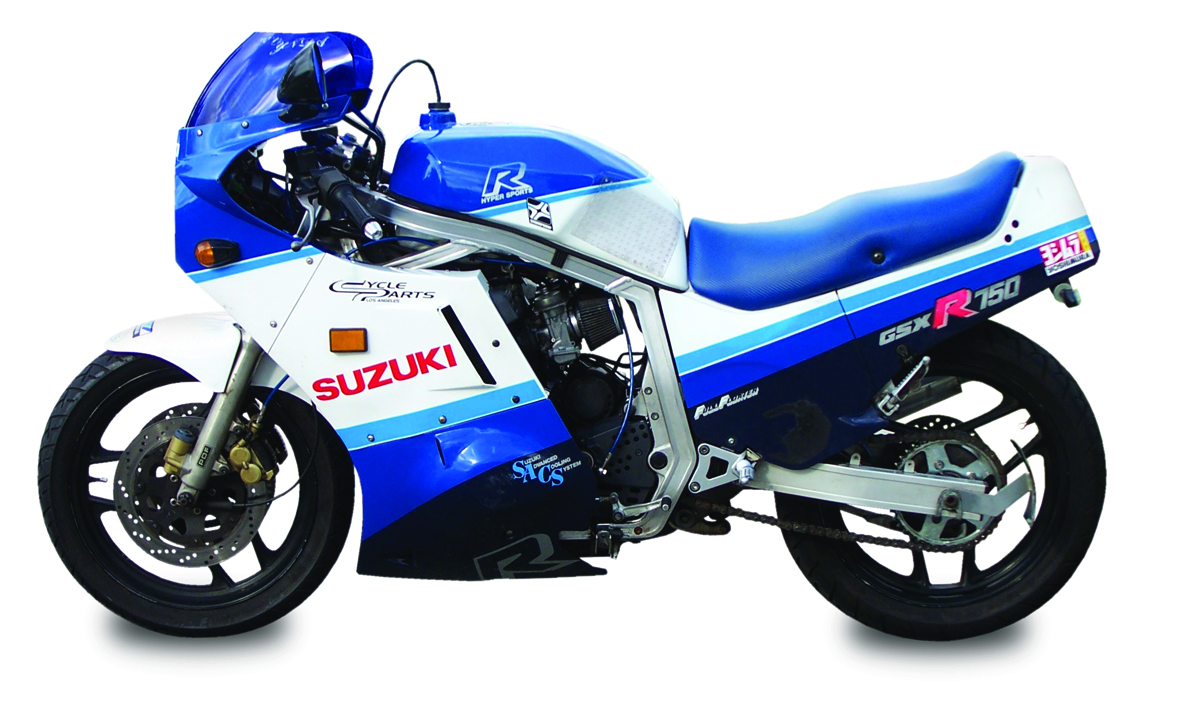
The 1987–1989 Suzuki GSX-R750 is more than just a motorcycle; it is a symbol of revolution in the world of superbikes. Emerging at a time when performance, weight, and agility reigned supreme in the competitive landscape of sportbikes, this iteration of the GSX-R750 altered the very fabric of motorcycle engineering and motorcycle culture. Beneath its sleek, aerodynamic façade lies a profound shift that challenged longtime conventions and promised unparalleled riding dynamics, redefining what riders expect from a 750cc machine.
Before delving into the nuanced details of the 1987–1989 model years, it’s imperative to appreciate the milieu into which this motorcycle was born. The mid-1980s was an era awash with heavy, powerful bikes that often sacrificed nimbleness for brute force. The Suzuki GSX-R750 did not merely participate in this arms race; it changed the rules by delivering an unprecedented fusion of lightweight engineering and high-performance technology, setting a new benchmark that others would scramble to match.
The heart of the GSX-R750 during these years was its revolutionary engine. Suzuki employed a liquid-cooled, 4-stroke, inline four-cylinder 749cc engine, renowned for its combination of robust power delivery and high revving capabilities. This powerplant was not only formidable in output but also exceptionally compact, representing one of the lightest and most refined units in the category at the time. Engineers managed to optimize combustion efficiency with innovative design tweaks—features such as the “Ram Air” intake system, which dynamically boosted airflow at speed to extract more horsepower. This was not just engineering for power’s sake; it transformed the riding experience into something visceral, almost cinematic, as riders could feel an exhilarating surge when the bike hit its stride.
However, power alone isn’t what etched the 1987–1989 GSX-R750 into the annals of superbike history. The radical approach to chassis design is where the bike’s true genius is exposed. Eschewing the then-prevailing approach of heavy steel frames, Suzuki employed an all-aluminum perimeter frame that was both rigid and featherlight. This frame design increased torsional stiffness, significantly enhancing cornering precision and feedback—an essential attribute on twisty backroads and racetracks alike. The reduced frame weight, combined with an exceptionally low center of gravity, allowed riders to manipulate the machine with astonishing finesse, stimulating a symbiotic connection between man and machine.
The GSX-R750’s suspension system was no less revolutionary. Featuring adjustable front forks and a sophisticated rear mono-shock setup, the bike offered adjustable damping and preload, empowering riders to tailor the suspension dynamics to their preferences or terrain demands. This adaptability fostered confident handling and maintained tire contact with the road, even during the most aggressive maneuvers, elevating both safety and performance. The use of quality components reflected Suzuki’s commitment to delivering a fully integrated performance motorcycle rather than simply shoehorning a powerful engine into a conventional chassis.
Beyond mechanical prowess, the aesthetics and ergonomics of the GSX-R750 made a compelling statement. The 1987–1989 editions exhibited a clean, aerodynamic bodywork design that consciously balanced form and functional airflow management. Its streamlined silhouette reduced drag and gave the motorcycle a poised, purposeful stance. Equally important, the ergonomics were engineered with a racer’s mindset—offering a forward-leaning riding position that enhanced control, without compromising rider comfort excessively. The lightweight fairing was easily removable, which was particularly appealing to racers who needed quick access for maintenance and modifications during competition. This blend of style and substance was instrumental in endearing the GSX-R750 to both enthusiasts and professional racers.
What further distinguished the GSX-R750 from its contemporaries was the meticulous attention to detail in every component. Braking, for instance, was entrusted to dual front disc brakes paired with a single rear disc, a setup that ensured potent stopping power and reduced fade during prolonged use. Tires and wheel sizes were chosen carefully to complement the bike’s dynamics, enhancing grip and stability. Even the instrument cluster was thoughtfully designed to provide pertinent information at a glance, allowing riders to maintain focus during intense rides.
The impact of the Suzuki GSX-R750 on the motorcycle industry and culture transcends technical specifications. It redefined the paradigm of what a middleweight superbike could accomplish. This machine was integral in popularizing lightweight, agile sportbikes that no longer required riders to compromise on speed or handling. For many riders, the GSX-R750 was a doorway to a new riding philosophy: one where finesse was just as crucial as raw power. It cultivated a legion of loyalists who prized its harmonious blend of responsiveness, control, and sheer exhilaration.
Moreover, the 1987–1989 GSX-R750 helped lay the groundwork for future generations of sportbikes, influencing design principles and engineering standards industry-wide. It offered a compelling proof of concept that superior performance could be achieved through intelligent engineering rather than merely increasing displacement or weight. While competitors scrambled to catch up, the Suzuki GSX-R750 held its own with a steadfast reputation for reliability and race-inspired technology trickled down to everyday riders.
In the broader context of motorcycle evolution, the GSX-R750 incarnations from these three pivotal years act as a beacon of innovation and visionary design. It sparked a cultural renaissance within the sportbike community, inspiring not just racers but casual riders to reconsider what their machines could achieve. It promised a ride that was as thrilling as it was precise, a promise it unwaveringly fulfilled. Today, it stands as both a collectible masterpiece and a benchmark by which many modern sportbikes are still measured.
In conclusion, the 1987–1989 Suzuki GSX-R750 did more than just push boundaries; it shattered preconceived limits and laid the foundation for a new era in superbike development. Its seamless integration of cutting-edge engine technology, lightweight chassis design, and race-inspired ergonomics forged a motorcycle that is as much an icon as it is a machine. For those willing to explore the layers beneath its polished exterior, the GSX-R750 reveals a narrative of ingenuity and passion—one that continues to captivate and challenge the conventions of motorcycle engineering.