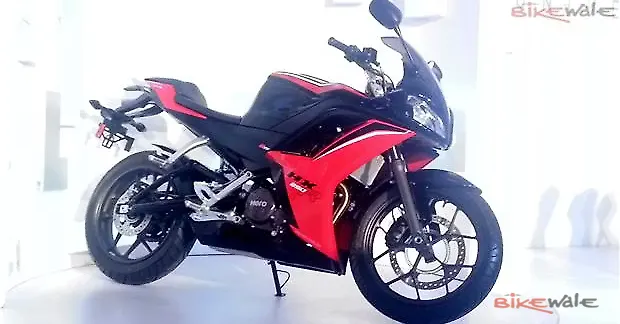
In the realm of motorcycle development and testing, few initiatives have been as ambitious and multifaceted as the EBR (Erik Buell Racing) and Hero MotoCorp testing program conducted in New York neighborhoods in 2015. This collaboration aimed to push the boundaries of motorcycle performance and efficiency while gathering invaluable feedback from urban riders. Here’s a comprehensive exploration of this development push, focusing on various dimensions and insights readers can anticipate.
1. Background: The Genesis of the EBR and Hero MotoCorp Partnership
The collaboration between EBR and Hero MotoCorp emerged from a mutual ambition to innovate and enhance the motorcycle experience. EBR, known for its cutting-edge technology and performance-driven machines, partnered with Hero MotoCorp, one of the largest manufacturers of two-wheelers, to create a confluence of ideas. This alliance was not merely a business decision; it represented a cultural synthesis aimed at addressing the nuances of motorcycle usage in urban environments.
2. Location Logistics: Selecting New York Neighborhoods
Choosing New York City as the testing ground added layers of complexity and excitement to the initiative. Urban landscapes often pose unique challenges for motorcycles, from traffic congestion to diverse road conditions. The selected neighborhoods, including the bustling streets of Manhattan and the eclectic vibe of Brooklyn, provided an authentic backdrop for real-world testing. These areas offered a diverse tapestry of riding scenarios—from leisurely commutes to the challenges of stop-and-go traffic.
3. Testing Objectives: Understanding Rider Behavior and Preferences
The core objective of the EBR and Hero MotoCorp testing program was to gain firsthand insights into rider behavior. By engaging local motorcycle enthusiasts and commuters, the team aimed to collect data on various elements, including bike stability, control, and overall performance. Feedback was solicited not only about the motorcycles themselves but also about the riders’ experiences navigating the urban environment, thus fostering a user-centric development approach.
4. The Role of Technology: Innovative Features Under Scrutiny
As part of this development push, cutting-edge technology played a pivotal role. The integration of advanced telemetry systems allowed engineers to monitor real-time data during rides. These sensors provided critical feedback on engine performance, braking efficiency, and fuel consumption, paving the way for future innovations. Results from these technologies would influence not only the products being tested but also set precedents for motorcycle engineering in the years to come.
5. Community Engagement: Involving Local Riders
Notably, the initiative emphasized community engagement. Local riders were invited to participate, sharing their expertise and insights. This grassroots approach created a dialogue between developers and riders, enabling a nuanced understanding of the urban rider experience. Events, demo rides, and focus group discussions fostered a sense of community, ensuring that feedback was both abundant and sincere.
6. Performance Testing: Real-world Challenges in Urban Settings
As motorcycles took to the streets, performance testing became a spectacle. The stark contrasts of bustling avenues against quieter backstreets tested handling precision and agility. Observations were meticulously recorded—each pothole, traffic signal, and unexpected pedestrian bringing forth valuable data that would informed future design decisions. This empirical approach highlighted the necessity of adaptability in motorcycle design.
7. Environmental Considerations: Emphasizing Sustainability
Another noteworthy aspect of the program was its commitment to environmental sustainability. With increasing awareness about carbon footprints, both EBR and Hero MotoCorp focused on developing eco-friendly technologies. Fuel efficiency and reduced emissions were pivotal in design discussions, aligning with industry trends toward greener transportation. The results would influence future models, echoing a commitment to social responsibility.
8. Iteration and Feedback Loop: The Path to Enhanced Designs
Crucially, the feedback collected was not simply an end point; it initiated a robust iteration cycle. Engineers analyzed the data, identified areas for innovation, and subsequently implemented changes to the prototypes. This feedback loop ensured that each testing phase culminated in enhancements, leading toward more refined motorcycle designs that resonated with both performance and rider satisfaction.
9. Market Insights: Assessing Urban Trends and Preferences
A deeper understanding of urban trends emerged through this testing program. Differences in rider preferences across various demographics and usage patterns were carefully examined. Younger riders often favored agility and technological interfaces, while more experienced riders prioritized stability and power. These insights enabled EBR and Hero MotoCorp to position their products more effectively, catering to the diverse marketplace.
10. Conclusion: A Prelude to Future Innovations
The 2015 development push by EBR and Hero MotoCorp heralded a significant chapter in motorcycle testing and development. Through an astute combination of community engagement, cutting-edge technology, and real-world testing in New York neighborhoods, the program forged a robust understanding of urban motorcycling needs. As insights from this initiative continue to resonate in future designs, the legacy of this collaboration underscores the importance of marrying engineering prowess with rider experience.
As innovations continue to unfold in the motorcycle industry, the lessons drawn from this meticulous program will undoubtedly shape the trajectory of urban mobility solutions. Customers and developers alike stand to benefit from the ongoing synergy of community feedback and technology-led innovation.
For those intrigued by this collaborative effort or wishing to delve deeper into the specifics of the EBR and Hero MotoCorp partnership, the contact details and resources can be explored on their respective websites:
– EBR (Erik Buell Racing): www.ebr.com
– Hero MotoCorp: www.heromotocorp.com