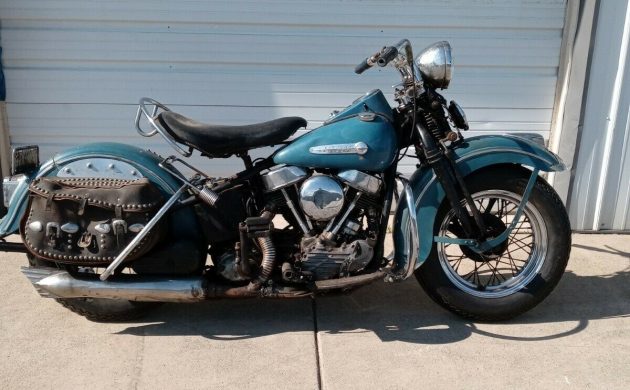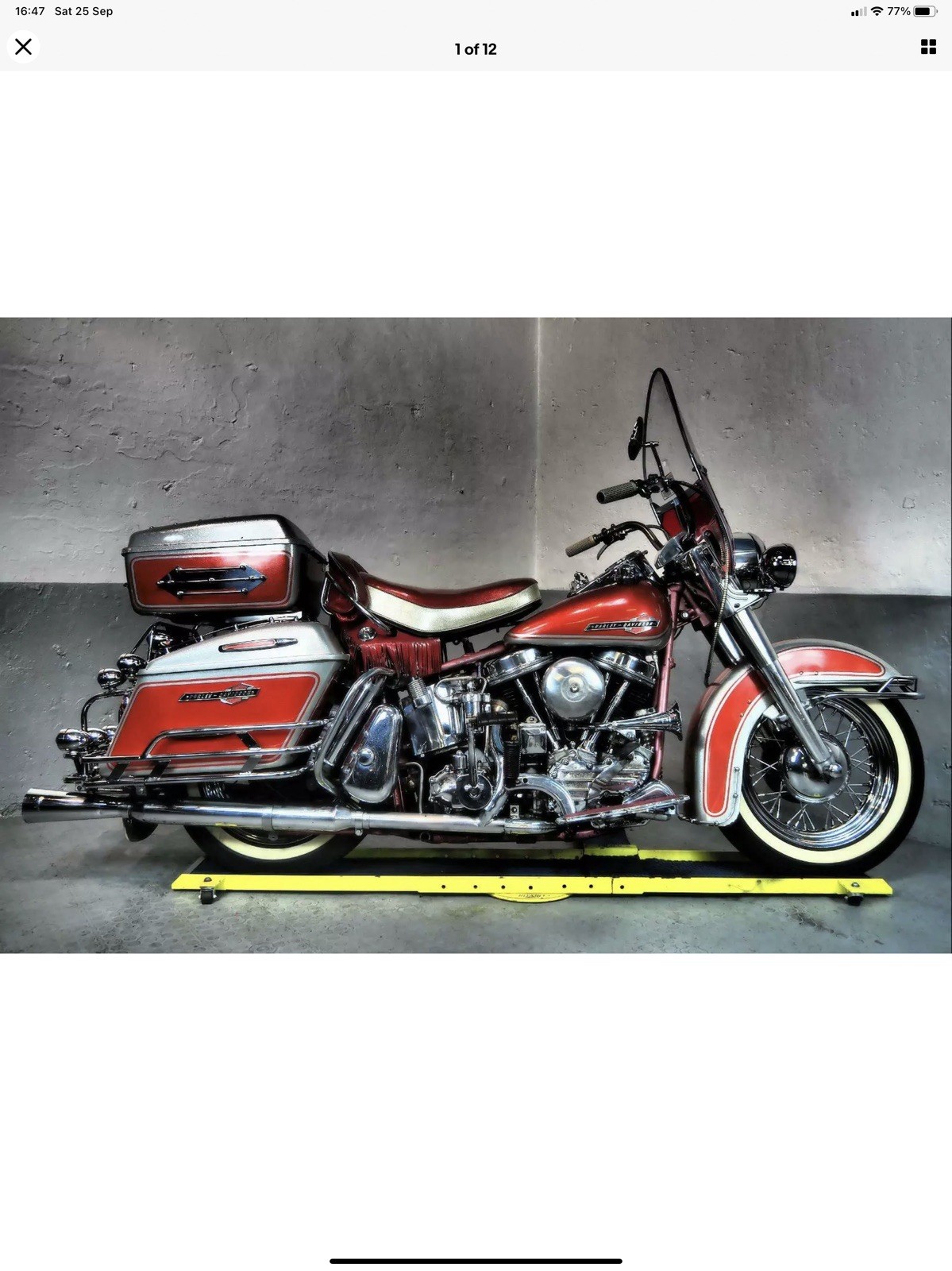
The 1964 Harley-Davidson Panhead FLH represents more than just a motorcycle; it is an emblem of American engineering prowess melded with timeless design. Revered among vintage motorcycle aficionados, this icon from the 1960s embodies a perfect balance of power, style, and mechanical innovation. Every detail of the 1964 Panhead FLH beckons to enthusiasts eager to explore the golden era of motorcycling, offering a unique window into the evolution of Harley-Davidson’s engine technology and cultural significance.
At the heart of the 1964 Panhead FLH lies the legendary Panhead engine, a masterpiece of its time. Known for its distinctive aluminum rocker covers that resemble the shape of a pan, this overhead valve V-twin engine propelled Harley’s big twins from 1948 until 1965. The 74-cubic inch (1200cc) displacement delivered a robust power output complemented by a smooth, soulful exhaust note that became instantly recognizable on the open road. The Panhead’s introduction was a revolution in Harley-Davidson’s engine design, featuring improved oil circulation systems and hydraulic valve lifters, which reduced maintenance and enhanced performance reliability.
The FLH models, designated as “Touring” bikes, were specially crafted for long-distance cruising and comfort, making them highly sought after by riders who cherished endurance as much as power. The 1964 iteration of the FLH featured a duo of 16-inch diameter wheels with wide whitewall tires, amplifying its vintage aesthetic and road-gripping capabilities. The frame construction, coupled with heavy-duty suspension components including the telescopic front forks and dual rear shocks, offered improved handling characteristics, allowing riders to conquer asphalt with confidence and finesse.
This motorcycle attracts a diverse spectrum of content for enthusiasts and historians alike. Readers can explore detailed mechanical dissections that delve into the intricacies of the Panhead engine’s design improvements—the shift from the Knucklehead to the Panhead marked a significant step forward in Harley-Davidson’s engineering trajectory. The hydraulic lifters eliminated the need for manual valve adjustments, a treasured advancement for riders who sought higher reliability and lower upkeep demands in their machines.
Technical walkthroughs extend into the ignition systems of the 1964 FLH, which incorporated a coil ignition setup, providing enhanced spark reliability crucial for the engine’s large-displacement cylinders. This system contributed to more consistent combustion and smoother throttle response. Discussions can also embrace the dual-carburetor setup, a vital element in achieving the motorcycle’s signature power delivery and efficiency.
Beyond the mechanical marvels, the 1964 Harley-Davidson Panhead FLH offers captivating narratives on cultural integration and its role within the mid-20th century American lifestyle. As motorcycles burgeoned as symbols of freedom and rebellion, the Panhead became a fixture in the burgeoning biker culture. Its association with long-haul touring cemented the image of open-road adventurers embodying the quintessential American spirit. Articles examining these sociocultural dynamics provide readers with rich context, discovering how this model reflected and influenced attitudes toward motorcycle riding during an era marked by rapid change and desire for individual expression.
Restoration content holds immense value for enthusiasts passionate about returning these classic bikes to their former glory. Chronicles on the nuances of refurbishing original parts versus sourcing contemporary replicas explore the tension between authenticity and functionality. The 1964 Panhead FLH’s distinctive attributes—frame geometry, original paint schemes, and emblematic badges—demand meticulous attention. Restoration guides often convey detailed advice on preserving patina while ensuring mechanical soundness, highlighting techniques to address wear without sacrificing historical integrity.
Further enriching this expansive topic are comparative analyses between the Panhead FLH and its contemporaneous competitors, including rival models from other American manufacturers and emerging European marques. Such explorations shed light on how Harley-Davidson’s approach to powertrains and chassis design set industry benchmarks. These assessments often discuss torque characteristics, riding ergonomics, and aesthetic evolution, illuminating why the Panhead remained a favored choice amid a competitive landscape.
For collectors and auction-goers, market insights into valuation trends of the 1964 Harley-Davidson Panhead FLH underscore its status as a prized collectible. Vintage motorcycle valuations hinge on originality, condition, and provenance. The desirability of the 1964 model in particular reflects its placement at the twilight of the Panhead era, adding an aura of rarity and nostalgia. Expert appraisals often emphasize how incremental mechanical improvements from previous years, combined with the FLH’s touring frame, contribute to its allure and market premium.
Riding experiences with the 1964 Panhead FLH invite evocative descriptions of engagement between rider and machine. With a seating height that embraces commanding road presence and handlebars designed for a relaxed cruising posture, this vintage motorbike offers a distinct tactility. The torque-rich V-twin engine twangs with a visceral growl, a sensory reminder of classic motorcycling. Vibrations and throttle feedback cultivate an intimate connection, far removed from the sanitized feel of modern motorcycles, appealing to purists who prize the authenticity of mechanical engagement.
In discussing technical specifications, it is paramount to acknowledge the braking and transmission systems that complemented the Panhead’s power. The 1964 FLH featured drum brakes, a standard at the time, requiring riders to anticipate stopping distances carefully. The four-speed manual transmission with foot shift operated with a mechanical precision characteristic of the era, demanding a practiced hand but rewarding with a configurable riding experience. These components crafted a ride that was both challenging and immensely satisfying.
In summary, the 1964 Harley-Davidson Panhead FLH embodies a multifaceted narrative that intertwines mechanical innovation, cultural significance, and genuine riding pleasure. It stands as a testament to a pivotal moment in motorcycling history, where craftsmanship met burgeoning technical advancements. For enthusiasts seeking a comprehensive understanding, the Panhead FLH offers deep wells of content—from expert mechanical breakdowns and restoration philosophies to cultural commentaries and market evaluations. Exploring this iconic model immerses one in a bygone era that continues to inspire passion and respect within the motorcycle community.