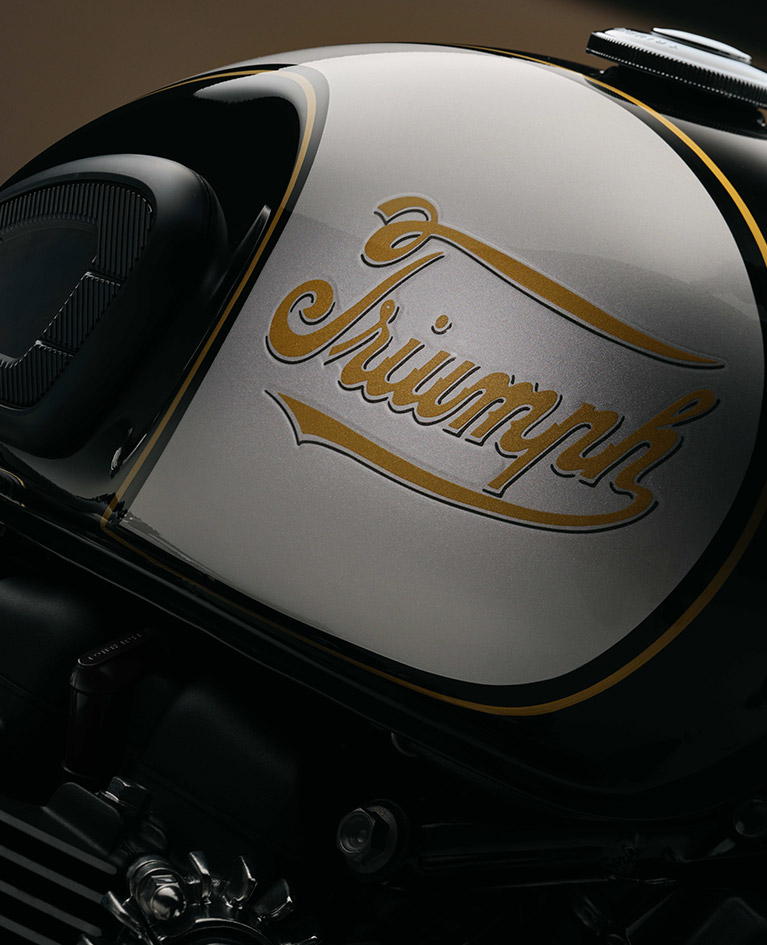
The 1969–1971 Triumph Bonneville T120 stands as a blazing emblem of British motorcycling heritage, a veritable phoenix resurrected from the throes of post-war industrial ambition. More than just a motorcycle, it is a kinetic sculpture, a marriage of chrome and engineering precision that captures the essence of an era defined by revolution, rebellion, and relentless pursuit of speed. In the grand tapestry of motorcycling history, the T120 is an iconic thread woven with audacity and charisma, embodying both the rugged spirit of the British Isles and the sophistication of mechanical artistry.
To behold the Bonneville T120 is to witness a symphony of contrasts—a contradiction in steel and style where raw power meets elegant design, where purposeful engineering converges with soul-stirring aesthetics. Its very silhouette commands attention: the elongated fuel tank, the graceful sweep of its twin exhausts, and the meticulous gleam of polished aluminum panels form a harmonious ballet of form and function. It is an apparition from a time when motorcycles were not mere machines but extensions of the rider’s persona, beasts of freedom to be tamed and cherished.
The heart of the Bonneville T120 is its renowned 649cc parallel twin engine, a marvel both robust and responsive, an ironclad testament to the apex of British engineering prowess during the late 1960s. This engine, rhythmically thumping with an intoxicating cadence, delivers an exhilarating palpitating thrust that parries the mundane and invites the spirited to dance with destiny. Its performance was a clarion call to riders who longed for more than mere transportation—this was speed and agility infused with soul.
In the late 1960s, as the world grappled with seismic cultural shifts, the Bonneville T120 became an avatar of freedom and individuality. It was the companion to the youthful insurgents and the classic cafe racer crowd, its image immortalized on the twisting lanes of British countrysides and the neon-lit streets of metropolitan sprawls alike. Owning a T120 was akin to wielding a ticket to a subculture where rebellion was refined, and speed was the dialect of choice. It didn’t just ferry its rider; it elevated them to legend.
The period from 1969 to 1971 marked the zenith of the T120’s classic iteration before the tides of modernization swept through the industry. These years encapsulate a fascinating blend of tradition and innovation. With subtle refinements such as improved braking systems, suspension tweaks, and the dignified introduction of electronic ignition in later models, the T120 remained steadfast in its commitment to delivering a riding experience that was both visceral and dependable.
Its design ethos exemplified what can only be described as ‘purposeful elegance.’ Unlike the brute mechanizations that dominated some contemporaries, the Bonneville’s curves were poised and deliberate, each chrome detail a brushstroke composing a masterpiece of balance. The bike whispered of long summer rides along coastal routes and moonlit escapades through sleepy villages, conjuring images of an untamed world waiting to be explored.
More than its mechanical virtues, the Bonneville T120 is steeped in cultural resonance. It became a muse for artists, a symbol in cinema, and a badge of honor for motorcycle clubs who prized not just speed but the history and soul embedded in its cast iron and alloy frame. The bike’s distinctive roar, a sonorous blend of mechanical heartbeat and evocative growl, could stir the hearts of onlookers and riders alike, cementing its place beyond mere machine to mythic icon.
The Bonneville’s success was no accident; it was forged in the crucible of competition and rigorous development. Triumph’s commitment to racing excellence is seen in the T120’s lineage, drawing from the innovations of the Isle of Man TT racecourses and the relentless push to outpace American and European competitors. This relentless pursuit of supremacy imbued the T120 with a rawness tempered by refined capability, an intoxicating cocktail that turned rides into escapades.
Even decades after production ceased in this particular incarnation, the mythos of the 1969–1971 Bonneville T120 endures, inspiring modern reinterpretations and a vibrant collector’s market. Enthusiasts restore these machines, not simply as a tribute to a bygone era, but to preserve the tangible heartbeat of British motorcycling’s golden age. In its metal and mechanics lie stories of daring, dreams, and the eternal quest for freedom upon two wheels.
When contemporary riders swing their leg over a Bonneville T120, they engage in a ritual that transcends the mechanics of ignition and acceleration. They awaken a spirit—a bridge linking past to present, tradition to innovation, and rider to machine. The 1969–1971 Triumph Bonneville T120 is not merely a relic; it is a living testament, a British icon reborn every time its throttle is twisted, and every time its tires etch arcs of passion onto the winding roads.