The Kawasaki KZ650 Café Racer stands at the crossroads of aspiration and accessibility, a canvas inviting both the thrifty enthusiast and the meticulous craftsman to breathe life into a two-wheeled masterpiece. This model, often wedged between the realms of budget builds and coveted dream projects, embodies a delicate balance—a chrysalis awaiting metamorphosis into a sleek, roaring stallion on the asphalt. Like a whispered secret from the golden era of motorcycles, the KZ650 embodies more than mere transportation; it is a vessel of nostalgia, wrapped in steel and the unyielding promise of performance.
At first glance, the KZ650 might masquerade as an unassuming relic tucked away in dusty garages or modest classifieds. Yet beneath its modest exterior lies a latent potential, much like a diamond rough waiting for the cut that reveals its brilliance. The cafe racer tradition, with its roots tracing back to British motorcycle culture in the 1960s, demands an aesthetic and mechanical precision that transforms ordinary bikes into symphonies of form and function. The KZ650’s structure—a 653cc, air-cooled inline-four engine paired with a robust tubular steel frame—provides an ideal foundation for this transformation. Its intrinsic simplicity is a blank page, inviting customization with minimal complexity.
The question then becomes, is the Kawasaki KZ650 Café Racer a pragmatic budget build or a lofty dream project? The answer, intriguingly, is both. For many, it represents an attainable gateway into the world of motorcycle modification. Its parts are plentiful and affordable, often shared with other Kawasaki models of a similar vintage, reducing the barrier to entry for newcomers. This availability nurtures an ecosystem of enthusiasts who croon over the hum of carburetors and the tangible satisfaction of a wrench tightening bolts, rather than digital diagnostics. The do-it-yourself ethos thrives here, cultivating a community where knowledge is currency, and every rebuild carries the fingerprint of its creator.
Budget builds find appeal in the KZ650’s mechanical fortitude. The engine, though vintage, has proven reliability and a straightforward design that is forgiving to first-time restorers. Electrical systems, frequently a source of frustration in classic bikes, tend to be less convoluted, making troubleshooting less Sisyphean than on more elusive machinery. This pragmatic ease invites riders to approach their projects with confidence, transforming garages into workshops of creativity and accomplishment. The process itself becomes a ritual—a methodical dance of trial, error, and eventual triumph.
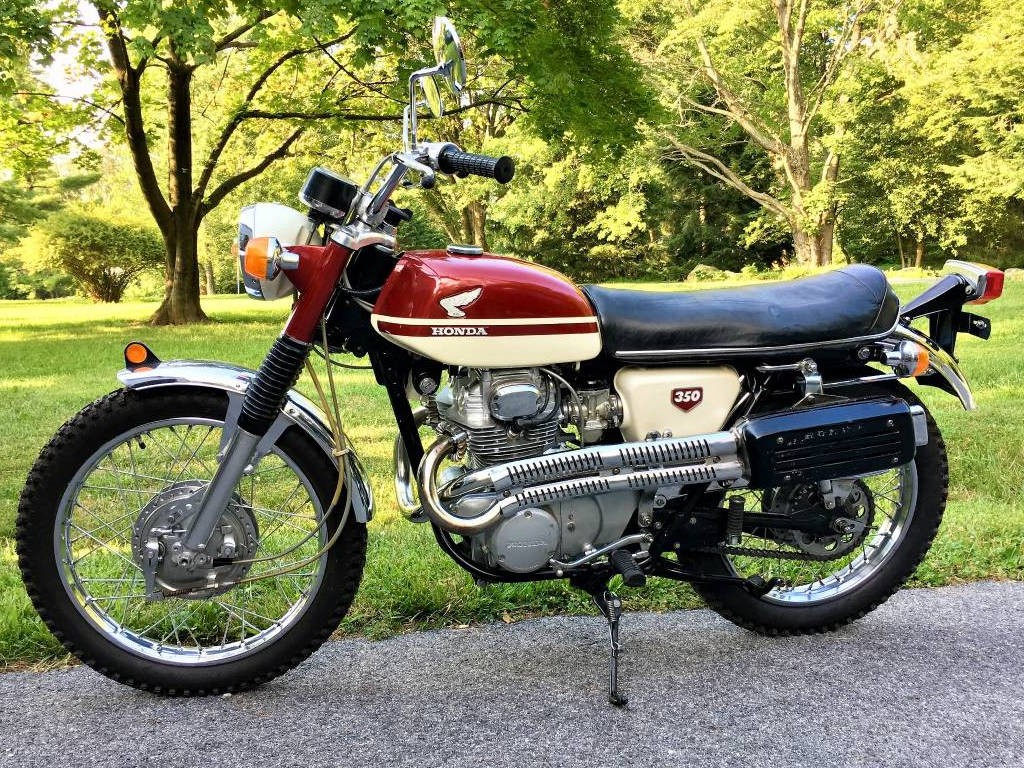
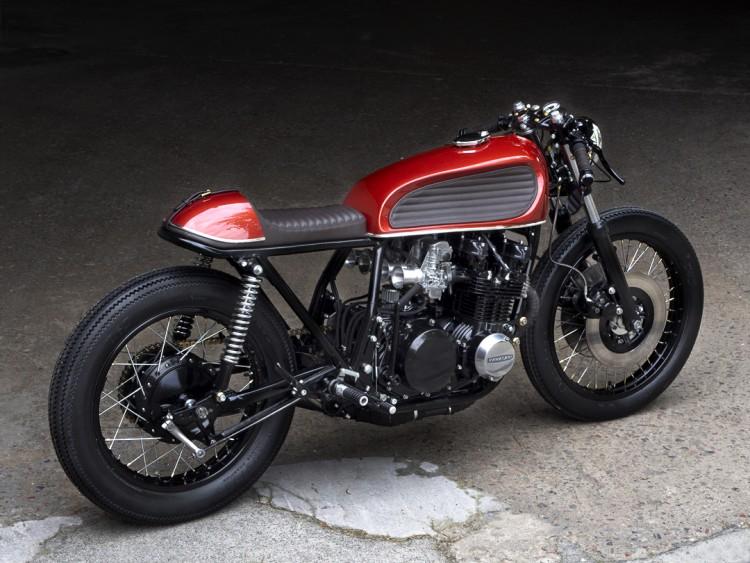
However, beneath this approachable veneer lies the allure of a dream project. For seasoned builders and aficionados, the KZ650 is not merely an economical choice but a muse that beckons toward artistic and technical excellence. The bike’s chassis provides excellent handling dynamics, which become especially pronounced after suspension upgrades and weight reduction techniques emblematic of café racer styling. The challenge here is not just in rebuilding the machine but in sculpting it—melding vintage charm with contemporary performance and aesthetics. Tail sections are clipped and refashioned into sleek café racer humps. The original seat is cast aside in favor of bespoke leather saddles that meld comfort with imperial elegance. The exhaust pipes, once plain steel conduits, are transformed into sinuous chrome whispers that echo off winding roads.
Moreover, the KZ650 invites customization that stretches beyond mechanics into the realm of personal narrative. Each modification conveys the builder’s tastes, triumphs, and tribulations. The choice of paint—matte blacks, candy reds, muted vintage hues—serves as a canvas for expression. Meticulously added details like custom gauges, bar-end mirrors, and retro-styled lighting fuse to tell a story that is uniquely the owner’s. In this sense, the motorcycle transcends its utilitarian purpose to become an extension of identity and passion.
The irony of the KZ650’s dual nature is its malleability. Despite its vintage roots, it responds well to modern technology integrations, such as upgrading to LED lighting systems, electronic ignition, and high-performance carburetors. These enhancements bridge the past and present, forging a motorcycle that is equally comfortable rolling down a historic boulevard or snarling through contemporary urban sprawl. This adaptability is crucial—it sustains the model’s relevance and keeps the dream alive for those unwilling to compromise either heritage or performance.
Yet, this convertible identity does not come without its challenges. Purists may lament the modifications that stray too far from original specifications, while budget builders occasionally find that unforeseen mechanical setbacks inflate costs beyond initial projections. Sourcing certain original parts can be a Sisyphean endeavor due to obsolescence, requiring either cloning or fabrication, which adds a layer of complexity—and expense—that nudges the project into dream territory. The subtle dance between restoration and innovation demands respect for engineering and artistry alike.
Nonetheless, the Kawasaki KZ650 Café Racer remains an enduring symbol of motorcycle culture’s egalitarian spirit, where passion can be affordable, and dreams can start with something as humble as a used bike and a toolbox. It is an invitation to craft not just a motorcycle, but an experience—an alchemy of sweat, solitude, serendipity, and speed. It beckons the rider-builder to forge a bond with the machine, to engage in a tactile dialogue with metal and motion that transcends everyday life.
In conclusion, the Kawasaki KZ650 Café Racer dwells unequivocally in the realm of both budget builds and dream projects. It ultimately depends on the vision and ambition of its custodian. For some, it is an accessible entry point into motorcycling’s creative landscape, a reliable companion on a lean budget. For others, it is a magnum opus—a canvas waiting for the brushstrokes of skill, patience, and passion that elevate it into the echelon of dream machines. Whether modest or magnificent, the KZ650’s legacy endures as one of transformation—one that offers riders not just a motorcycle, but a story to be ridden and retold.