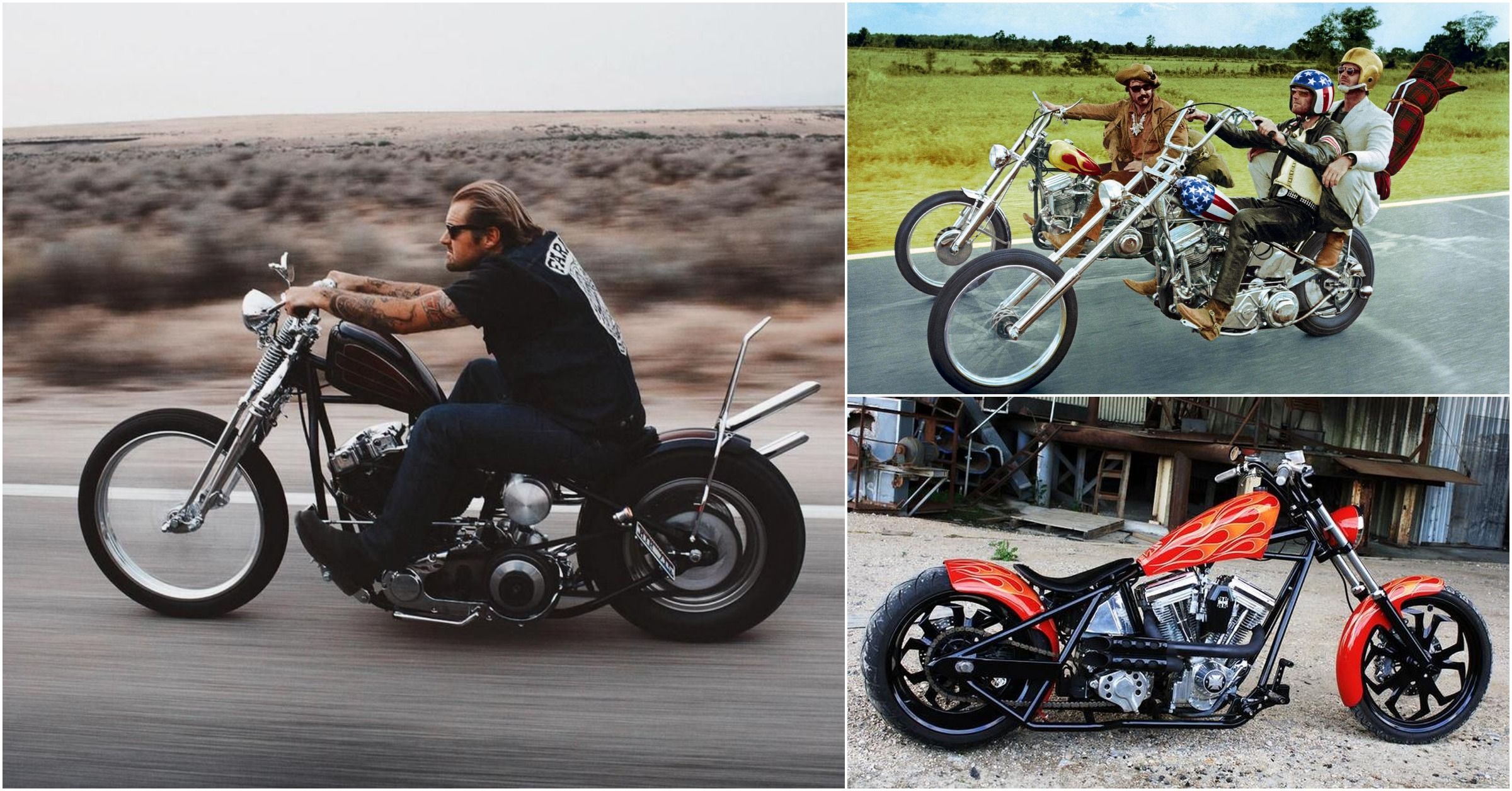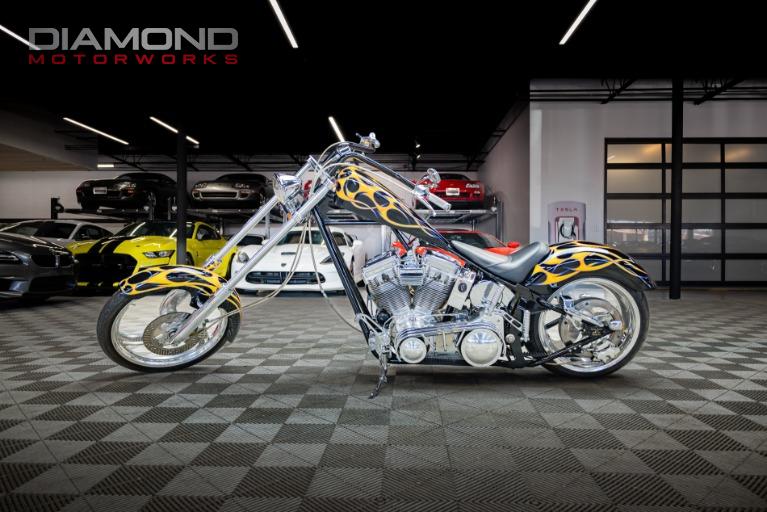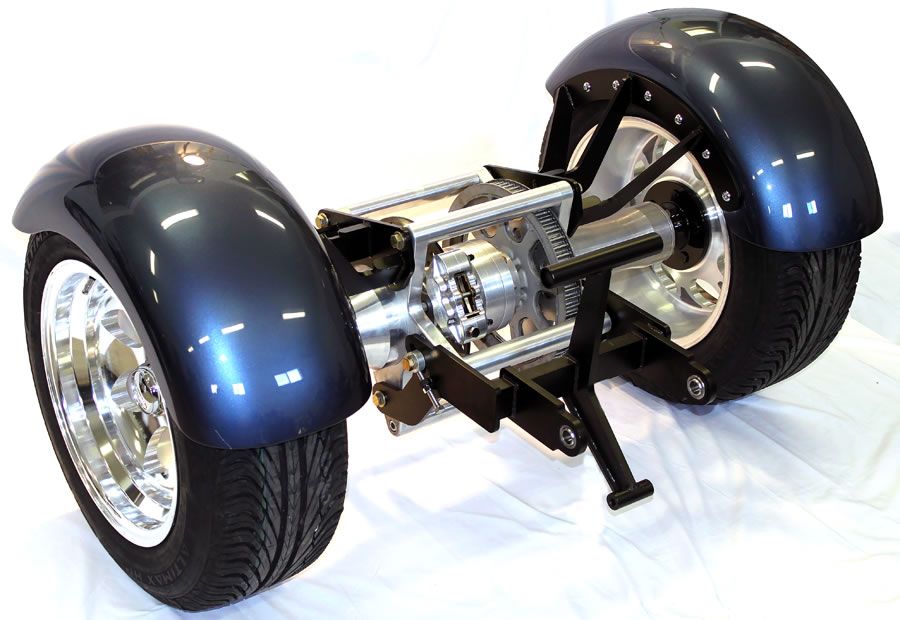
The timeless debate between kick-start and electric-start choppers isn’t just about convenience—it’s about soul, tradition, and the raw connection between rider and machine. These two ignition systems represent more than just mechanical choices; they embody distinct philosophies of riding. Whether you’re a purist who believes in the primal thrill of a well-placed boot to the kick lever or a modern rider who values effortless ignition, the decision shapes your entire chopper experience. Let’s dive into the intricacies of each system, exploring their advantages, drawbacks, and the kind of rider each one attracts.
The Allure of the Kick Start: A Ritual of Mechanical Poetry
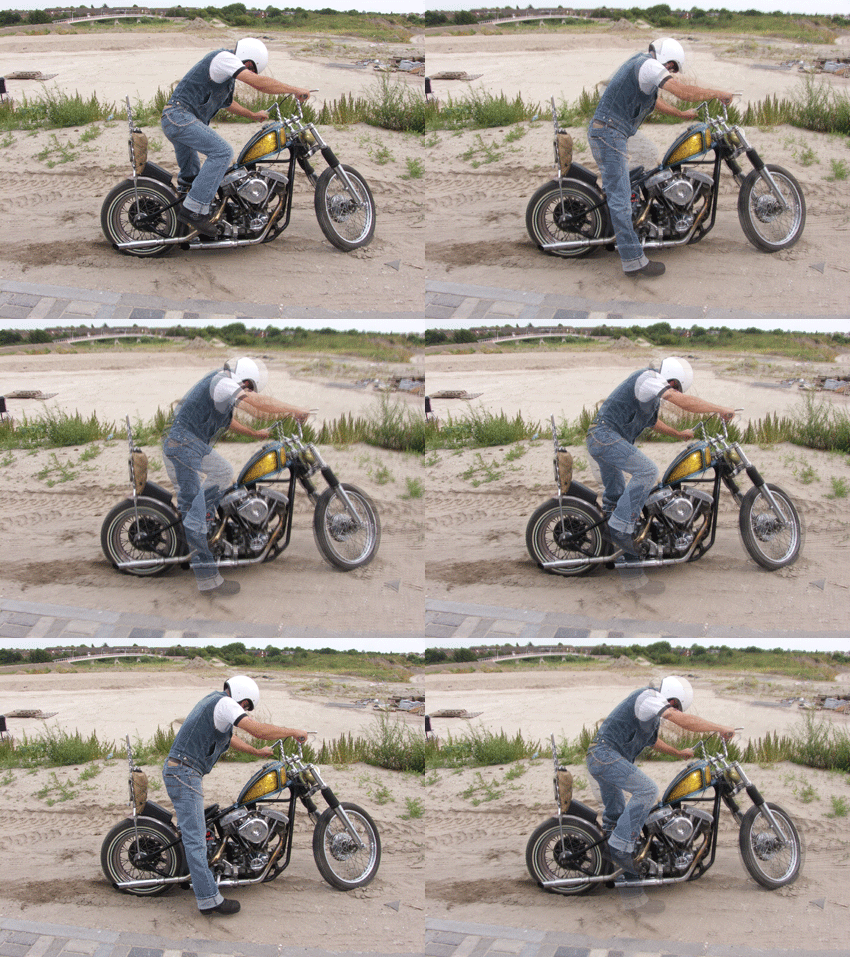
There’s something almost sacred about a kick-start chopper. The ritual begins with the rider’s stance—feet planted, hands gripping the handlebars, and a deep breath before the first downward thrust. The mechanical symphony of gears meshing, the sharp *clank* of the kick lever returning, and the sudden roar of the engine bursting to life is a sensory experience that electric starters can’t replicate. Kick-start choppers appeal to those who see motorcycling as an art form, where every ride begins with a deliberate, physical engagement.
One of the most compelling pros of kick-start systems is their reliability. Fewer electrical components mean fewer things to fail. In the event of a dead battery or a faulty solenoid, a kick-start chopper remains operational, a trait that’s invaluable on long rides through remote terrain. The simplicity of the system also makes it easier to repair and maintain, a boon for DIY enthusiasts who prefer wrenching over diagnostics.
However, this mechanical romance comes with caveats. Kick-starting demands physical effort, especially on high-compression engines or in cold weather when the motor resists turning over. The ergonomics of the kick lever matter—a poorly designed one can lead to strained ankles or even injury. Moreover, modern choppers often feature heavy flywheels or high-performance cams, making them stubborn to kick over without the assistance of a decompression lever or a well-timed push-start.
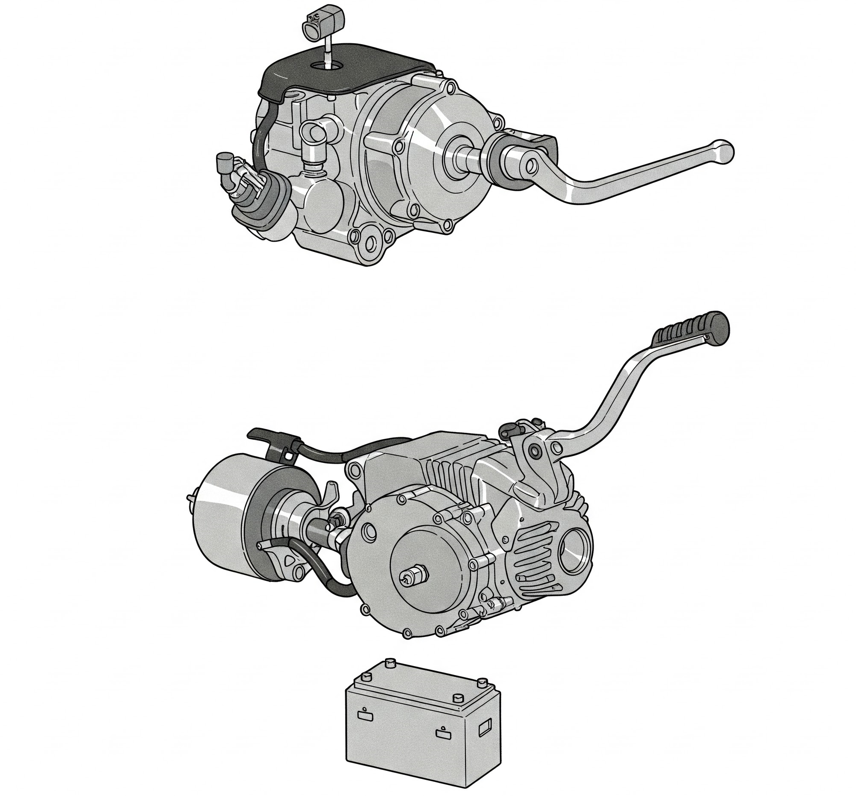
The Electric Start: Effortless Power at Your Fingertips
Electric-start choppers are the embodiment of modern convenience, where the rider’s only responsibility is to twist the throttle and let the motor purr to life. This system eliminates the physical exertion of kick-starting, making it ideal for riders who prioritize ease of use, especially in urban environments or when carrying passengers. The instantaneous ignition is a game-changer for those who value spontaneity—no more pre-ride warm-ups or struggling with a stubborn engine on a chilly morning.
Another advantage of electric-start systems is their adaptability. They pair seamlessly with modern electronic fuel injection (EFI) and advanced ignition systems, allowing for precise tuning and smoother power delivery. Riders who enjoy customizing their choppers for performance will find electric starts more compatible with high-tech upgrades, such as quick-shifter installations or programmable ECUs. Additionally, the absence of a kick lever frees up space on the frame, enabling sleeker, more minimalist designs.
Yet, this convenience isn’t without trade-offs. Electric-start choppers are more complex, with components like starters, solenoids, batteries, and wiring harnesses that can fail over time. A dead battery or a faulty starter motor can strand a rider far from civilization, a scenario that kick-start purists would dismiss with a smirk. The added weight of the electric system—especially in older or custom-built choppers—can also affect the bike’s balance and handling, though modern lithium-ion batteries have mitigated this issue to some extent.
Performance Considerations: Which System Delivers More Power?
The debate between kick-start and electric-start choppers isn’t just about ignition—it’s about how each system influences performance. Kick-start engines often boast higher compression ratios because they don’t rely on electric starters to spin the motor. This translates to more brute force and a raw, unfiltered power delivery that enthusiasts crave. The act of kick-starting also forces the rider to engage with the bike’s mechanics, fostering a deeper understanding of its behavior under load.
On the other hand, electric-start choppers can leverage advanced ignition timing and fuel delivery systems to optimize performance. The ability to fine-tune ignition curves and air-fuel ratios electronically means that electric-start bikes can achieve smoother powerbands and better throttle response. For riders who prioritize precision and consistency, especially in competitive or high-speed scenarios, the electric start offers a technological edge.
It’s worth noting that the performance gap between the two systems narrows significantly with aftermarket modifications. High-performance kick-start choppers can be outfitted with lighter flywheels, performance cams, and even electric start assist kits, while electric-start bikes can be upgraded with lithium batteries and high-torque starters to mimic the responsiveness of a kick-start system.
Riding Experience: The Intangible Factors
The choice between kick-start and electric-start choppers extends beyond mechanics—it’s about the riding experience itself. Kick-start choppers evoke a sense of adventure and self-reliance. There’s a primal satisfaction in coaxing an engine to life with a well-placed boot, a feeling that modern conveniences often dull. These bikes attract riders who see motorcycling as a journey of discovery, where every ride begins with a challenge and ends with a story.
Electric-start choppers, meanwhile, cater to riders who value efficiency and modernity. The effortless ignition allows for spontaneous rides, whether it’s a quick trip to the café or a weekend cruise with friends. The reduced physical strain is particularly appealing to riders with mobility issues or those who prefer a more relaxed approach to motorcycling. For urban commuters or riders who prioritize comfort, the electric start is a no-brainer.
The riding position and ergonomics of the chopper also play a role in this decision. Kick-start choppers often feature a more upright, traditional riding posture, which can be more comfortable for long-distance touring. Electric-start choppers, especially those with modern frames, may offer a more aggressive or forward-leaning stance, appealing to riders who prioritize agility and sportiness.

Maintenance and Longevity: Which System Stands the Test of Time?
Maintenance is a critical factor in the kick-start vs. electric-start debate. Kick-start systems are inherently simpler, with fewer components that can wear out or fail. The kick lever, kick shaft, and associated gears are robust and, when properly lubricated, can last for decades. This simplicity also makes them easier to repair, even for riders with limited mechanical experience. The lack of electrical components means there’s no risk of corrosion, short circuits, or battery failures—common issues in electric-start systems.
Electric-start choppers, while more complex, are not inherently less reliable. Modern starters, solenoids, and batteries are designed to withstand the rigors of motorcycling, and with proper care, they can last just as long as their kick-start counterparts. However, the electrical system introduces variables that require attention. Regular battery checks, wiring inspections, and solenoid testing become part of the routine maintenance, tasks that some riders may find tedious.
Longevity also depends on the chopper’s build quality and intended use. A high-end, custom-built kick-start chopper with premium components may outlast a budget electric-start bike with off-the-shelf parts. Conversely, a well-maintained electric-start chopper with a lithium battery and a high-quality starter motor can serve its owner faithfully for years, provided the electrical system is kept in top condition.
Customization and Aesthetics: How Each System Influences Design
The choice between kick-start and electric-start systems can significantly influence a chopper’s aesthetics and customization potential. Kick-start choppers often feature a nostalgic, retro look, with exposed kick levers, vintage-style frames, and minimalist electrical systems. This design philosophy appeals to riders who appreciate the raw, unfiltered aesthetic of classic motorcycles, where form follows function in the most literal sense.
Electric-start choppers, on the other hand, lend themselves to sleek, modern designs. The absence of a kick lever allows for cleaner lines and more streamlined frames, which can be further enhanced with custom paint jobs, LED lighting, and advanced instrumentation. The integration of electronic components also opens up possibilities for customization, such as programmable ECUs, traction control, and ride-by-wire throttles. For riders who view their chopper as a canvas for self-expression, the electric start offers unparalleled flexibility.
It’s worth noting that some riders blend the two systems, opting for a kick-start chopper with an electric start assist kit. This hybrid approach combines the best of both worlds—traditional aesthetics with modern convenience—though it requires additional investment and mechanical know-how.
Making the Choice: Which System Suits Your Riding Style?
Ultimately, the decision between kick-start and electric-start choppers comes down to personal preference and riding style. Kick-start choppers are ideal for riders who value tradition, self-reliance, and the tactile experience of mechanical engagement. They’re perfect for those who see motorcycling as a journey of discovery, where every ride begins with a challenge and ends with a story to tell. If you’re drawn to the raw, unfiltered power of a high-compression engine and the satisfaction of coaxing it to life with a well-placed boot, a kick-start chopper is your soulmate.
Electric-start choppers, meanwhile, cater to riders who prioritize convenience, modernity, and adaptability. They’re perfect for urban commuters, riders with mobility issues, or anyone who values spontaneity and effortless ignition. If you prefer a sleek, modern design with advanced electronic features and the ability to customize your ride to the nth degree, an electric-start chopper is the way to go. The choice isn’t just about mechanics—it’s about the kind of riding experience you crave and the legacy you want to leave behind.