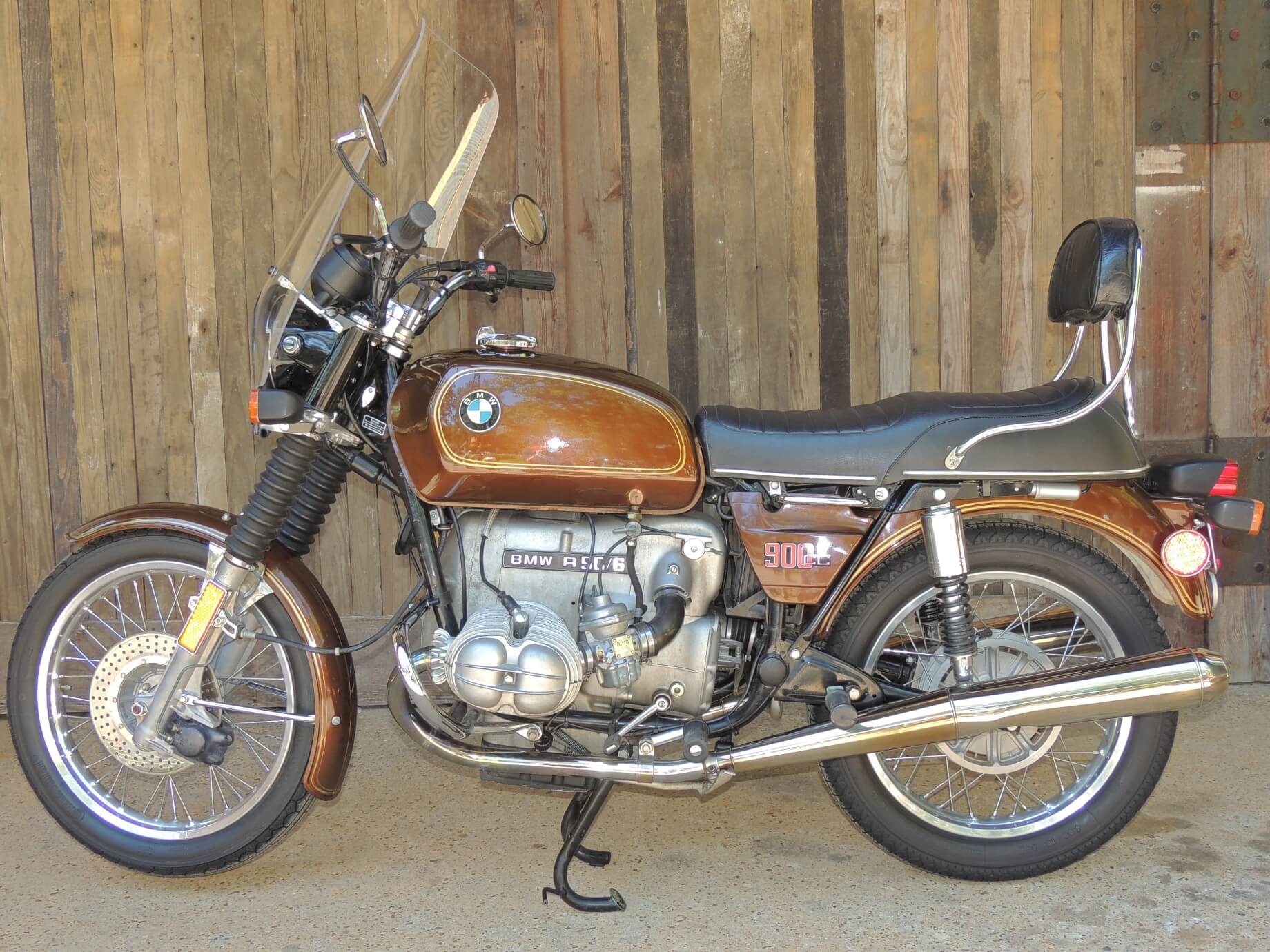
The 1976 BMW R90/6 represents a pinnacle of engineering that transcends the boundaries of time, blending smooth mechanics with formidable reliability and an unmistakably classic aesthetic. This iconic machine continues to captivate enthusiasts and collectors alike, standing testament to BMW’s unwavering commitment to quality and innovation in the mid-1970s. Its seamless blend of power, craftsmanship, and design embodies a timeless appeal that invites deeper exploration into its unique characteristics and historical significance.
At first glance, the 1976 R90/6 stuns with its elegant yet robust silhouette. The bike’s design language is one that captures the quintessence of utilitarian beauty, with the air-cooled boxer twin engine prominently displayed beneath contoured fuel tanks that exude a nostalgic charm. The dual exhaust pipes stretch gracefully along both sides, culminating in mufflers that emit a deep, unmistakable roar—a sound that is music to the ears of any motorcycling aficionado. Its chassis, constructed with precision, offers not only superior strength but also a balanced agility necessary for both leisurely rides and spirited journeys.
The heart of the R90/6 lies in its 898cc horizontally opposed twin-cylinder engine, affectionately known as the “boxer.” This powerplant delivers an impressive 67 horsepower, a remarkable feat for its era. Yet, what truly sets this engine apart is its smoothness and the refined sensation transmitted to the rider. Unlike many motorcycles that vibrate aggressively at high revolutions, the boxer’s opposing pistons move in harmony to counteract vibrations, resulting in a serenely balanced ride. This mechanical harmony contributes to the bike’s reputation for extraordinary reliability and enduring performance.

This smooth power delivery translates into a distinctive riding experience—one marked by effortless acceleration and a near-silky application of torque. The R90/6 handles with a poised confidence due to its well-calibrated suspension system, featuring telescopic front forks and twin rear shocks. These components absorb road imperfections with ease, ensuring the rider maintains control and comfort even on less forgiving surfaces. The bike’s geometry enhances stability at varying speeds, providing nimble cornering without sacrificing highway stability.
Beyond its raw mechanical prowess, the 1976 R90/6 serves as a paragon of practicality and user-focus. The instrument cluster is minimalist yet comprehensive, providing essential data through analog gauges that include a large speedometer and a tachometer, accompanied by warning lights. Critical controls are ergonomically placed, ensuring that adjustments can be made with a natural, intuitive hand movement. This thoughtful design manifests BMW’s dedication to rider-centric engineering, minimizing distraction and maximizing interaction with the machine.
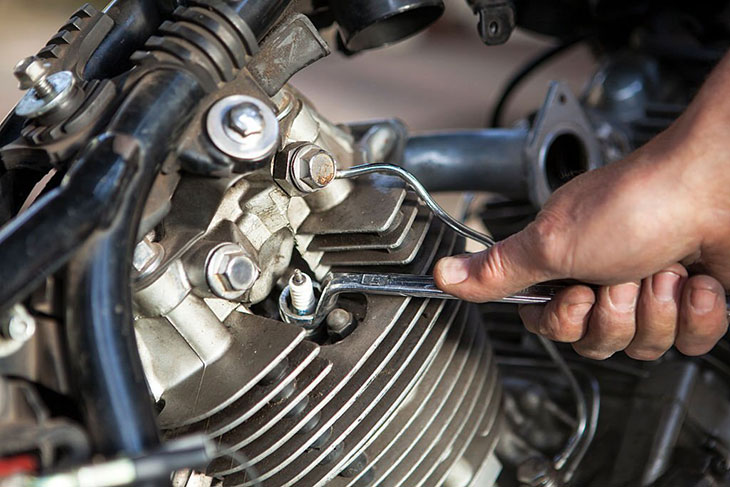
Furthermore, maintenance simplicity is a hallmark of the R90/6. Many owners appreciate the ease with which routine servicing can be performed. The accessible engine layout and mechanical components encourage riders to develop a tactile relationship with their motorcycles, fostering appreciation through participation in upkeep. The availability of parts and the robust design contribute to this door-opening approach for both amateur mechanics and seasoned professionals, thereby extending the bike’s lifecycle and enhancing its collectibility.
Another dimension to consider is the cultural and historical context surrounding the 1976 R90/6. It emerged during a transformative period in the motorcycling world, where machines were not only a means of transportation but also expressions of personal identity and freedom. BMW positioned itself as a manufacturer straddling tradition and modernity. The R90/6 symbolized this balance—a machine with classic roots yet infused with advances in engineering and performance standards. Its enduring popularity reflects not just a mechanical marvel, but also a cultural artifact preserved by passionate community devotion worldwide.
Ownership of a 1976 BMW R90/6 opens the door to a rich community of enthusiasts who share insights, restoration tips, and stories. The bike acts as a bridge between generations, linking past craftsmanship with contemporary appreciation. When restored or maintained properly, these motorcycles serve as reliable companions for long-distance touring, urban commuting, and weekend adventures. Whether navigating winding mountain roads or cruising open highways, the R90/6 consistently imparts a feeling of stability and confidence, coupled with the timeless roar of a classic boxer engine.
In conclusion, the 1976 BMW R90/6 is more than a vintage motorcycle—it is an enduring symbol of mechanical artistry and dependable innovation. Its smooth and reliable engine performance, combined with an elegant design and practical engineering, create an experience that has captivated riders for decades. Those who seek a combination of classic style and modern sensibility will find the R90/6 a compelling choice, a testament to the enduring legacy of BMW’s motorcycling heritage. As a machine where function and form converge harmoniously, the R90/6 remains a timeless emblem of riding pleasure and mechanical excellence.