The 1976 Honda Goldwing GL1000 stands as a seminal milestone in the realm of touring motorcycles, embodying a synthesis of robust engineering and refined power delivery. As the inaugural model in what would become an iconic lineage, the GL1000 revolutionized the concept of long-distance motorcycling by integrating cutting-edge technology with a design philosophy rooted in rider comfort and mechanical reliability.
At the heart of the GL1000 lies a formidable 999cc flat-four engine, a configuration that was unprecedented in its class during the mid-1970s. This compact, horizontally opposed, air-cooled powerplant was engineered not only for adequate velocity but for sustained, vibration-minimized performance over extended journeys. Tuned to deliver approximately 80 horsepower, it was optimized to strike a harmonious balance between acceleration and endurance. The flat-four layout contributed to a remarkably low center of gravity, enhancing stability on winding roads and during highway cruising.
When discussing the top speed of the 1976 Honda Goldwing GL1000, it is essential to consider the interplay of factors such as aerodynamic design, engine output, and chassis dynamics. While the motorcycle was not designed as a pure sport machine, it nonetheless achieved a top speed in the vicinity of 110 miles per hour, a remarkable feat for a touring motorcycle of that era. This velocity, coupled with the bike’s smooth power curve, allowed riders to confidently traverse long distances without fatigue or the anxiety of insufficient power reserves.
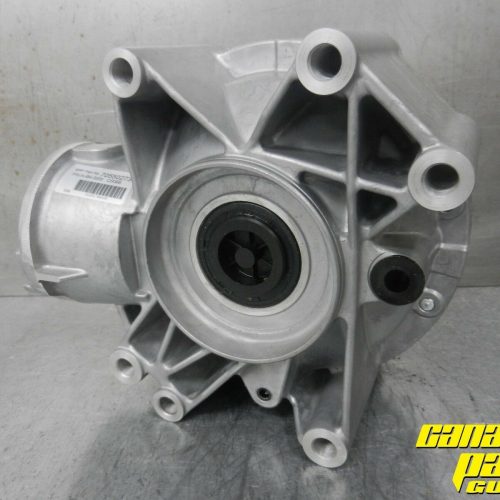
Beyond raw speed, the GL1000 was a paragon of touring prowess. Its drivetrain featured a five-speed transmission that offered precise gear ratios tailored for both spirited acceleration and relaxed highway cruising. The inclusion of a shaft drive system further distinguished it within the touring category, providing a maintenance-light and durable alternative to chain or belt drives. This made the Goldwing particularly well-suited for riders seeking a reliable companion on cross-country adventures.
Comfort was another cornerstone of the 1976 model. The chassis was designed with a wide, cushioned seat that accommodated both rider and passenger with ample room, complemented by ergonomically positioned handlebars and footrests. This arrangement maintained rider alertness and reduced fatigue, even after hours on the road. Additionally, the GL1000’s suspension system—a combination of telescopic front forks and dual rear shock absorbers—was configured to absorb road imperfections effectively, smoothing the ride across varied terrains from asphalt to uneven backroads.
The instrumentation on the GL1000 further embodied sophistication. Analog gauges provided readouts of speed, engine revolutions, fuel level, and oil pressure, all arranged in a clean, legible dashboard. This attention to detail facilitated real-time monitoring of performance, ensuring that riders remained informed about their machine’s mechanical status throughout their journey. Such instrumentation was particularly appreciated by touring enthusiasts who prioritized mechanical assurance during lengthy excursions.
Another hallmark of the GL1000 was its distinctive styling, marrying form and function in a manner befitting its touring purpose. The aerodynamic fairing, although minimalistic compared to modern standards, was meticulously designed to mitigate wind resistance and deflect oncoming air away from the rider’s torso, thereby decreasing fatigue and noise intrusion. The bike’s substantial fuel tank capacity enabled extended range between fill-ups, a critical consideration for riders venturing into remote regions with limited access to fuel stations.
Noteworthy, too, was the GL1000’s electrical system, which supported enhanced lighting for improved nighttime visibility—a vital feature for long-distance travel. The integration of high-intensity headlamps and tail lamps increased safety margins, while reliable circuitry ensured consistent performance under demanding touring conditions.
In summary, the 1976 Honda Goldwing GL1000 was more than just a motorcycle; it was a pioneering artifact that set new standards in touring motorcycle design and functionality. Its marriage of a powerful, smooth engine with practical features such as shaft drive, advanced suspension, and superior ergonomics engendered a model uniquely suited for the rigors and pleasures of long-distance riding.
Whether cruising the open highways or navigating twisty backroads, the GL1000 delivered a sublime blend of performance, comfort, and dependability that challenged prior assumptions about what touring motorcycles could achieve. Its legacy endures not only in the motorcycles that followed but also in the hearts of riders who sought a machine that could reliably traverse thousands of miles with grace and formidable presence.
Ultimately, the 1976 Honda Goldwing GL1000 earned its place in motorcycle history by providing a consummate touring experience that combined top-tier speed capabilities with an unwavering commitment to rider comfort and operational excellence. It remains a testament to innovative engineering and thoughtful design, embodying the spirit of adventure and the quest for the open road.