Ever stood in front of a gleaming custom motorcycle, your heart racing as you imagine the wind in your hair and the open road beneath you, only to freeze when you realize the price tag could buy a small island? You’re not alone. Financing a custom bike isn’t like slapping down a credit card for a shiny new Honda. It’s a labyrinth of lenders, credit scores, and hidden fees that could leave even the most seasoned rider feeling like they’re navigating a twisty mountain pass blindfolded. But what if I told you that with the right strategy, you could cruise into ownership without selling a kidney—or your soul?
The Allure and the Pitfall: Why Custom Bike Financing Feels Like a High-Stakes Poker Game
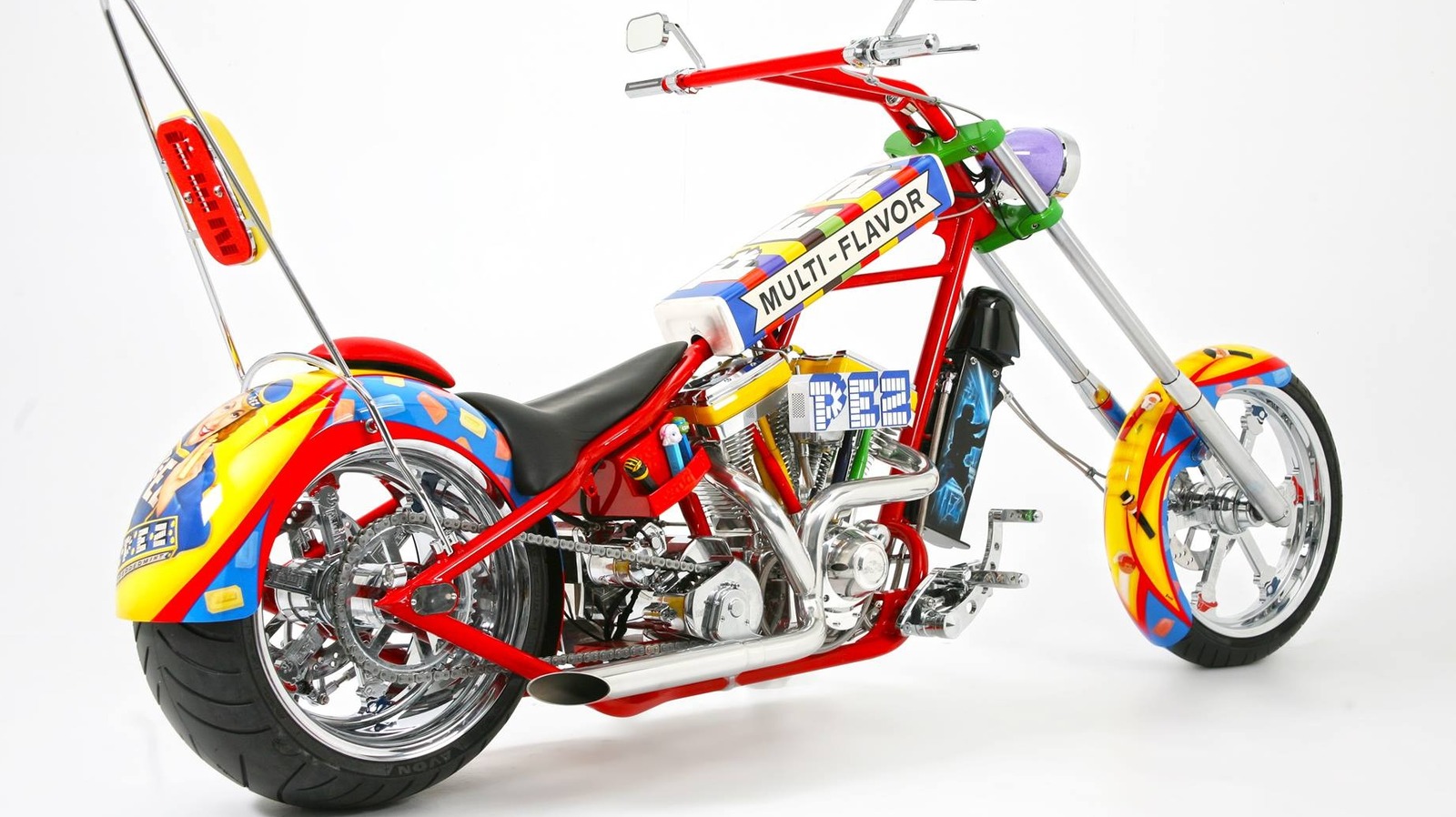
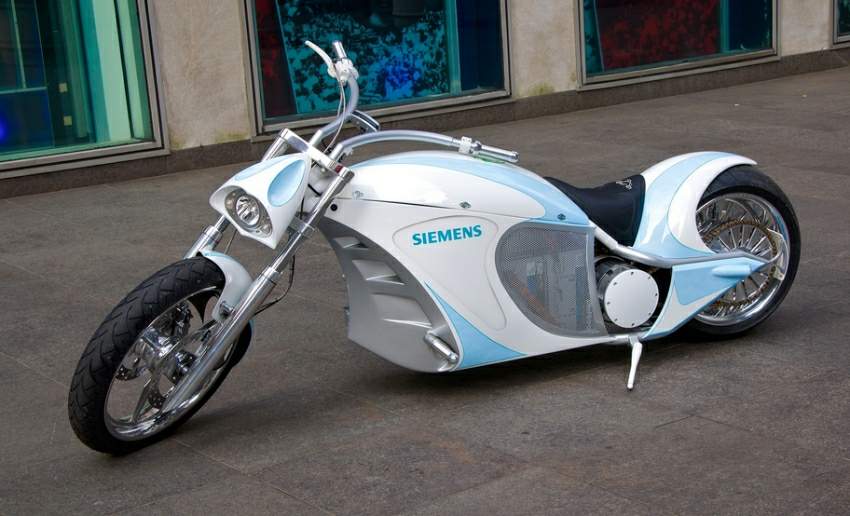
Custom motorcycles aren’t just machines; they’re masterpieces. Each one is a labor of love, a rolling testament to craftsmanship and personal expression. But this artistry comes at a cost—often a steep one. Unlike mass-produced bikes, custom builds don’t come with a sticker price. You’re dealing with bespoke frames, hand-welded components, and upholstery that would make a Victorian tailor weep with envy. The result? A price tag that can make even the most disciplined saver question their life choices.
Here’s the kicker: most traditional lenders treat custom bikes like they’re the financial equivalent of a unicorn—rare, unpredictable, and not worth the paperwork. Banks and credit unions often balk at financing anything that isn’t a brand-new model from a dealership. So, if you’re eyeing a chopper with a frame built from scratch or a café racer with enough carbon fiber to launch a satellite, you might find yourself staring at a blank loan application, wondering where you went wrong.

But fear not. The world of custom bike financing isn’t a dead end—it’s a detour. You just need to know where to look and how to play the game. And trust me, it’s a game worth playing.
Know Your Enemy: The Credit Score Conundrum and How to Outmaneuver It
Let’s talk about the elephant in the room: your credit score. It’s the digital dossier that lenders consult like a crystal ball, predicting whether you’ll pay them back or leave them high and dry. A score below 650? You’re in the “maybe, if you beg” territory. Below 600? Brace yourself for interest rates that could fund a small country’s education system.
So, how do you turn the tide? Start by pulling your credit report—yes, all three of them. Dispute any errors like a detective uncovering a conspiracy. Pay down credit card balances until your utilization ratio looks like a student’s GPA after finals week. And for the love of all things holy, avoid opening new accounts like they’re going out of style. Lenders love stability, and nothing says “I’m responsible” like a credit history that’s older than your favorite pair of jeans.
But what if your score is already scarred from past financial battles? Enter the cavalry: credit-builder loans or secured credit cards. These aren’t quick fixes, but they’re the financial equivalent of training wheels—clunky at first, but they’ll get you where you need to go. And remember, time is your ally. Even a 50-point jump can open doors that were previously welded shut.
The Lender Safari: Where to Hunt for the Best Custom Bike Financing Deals
Not all lenders are created equal, and some are downright predatory. Your mission, should you choose to accept it, is to navigate this jungle without getting eaten alive. Start with credit unions—they’re like the wise old sages of the lending world, offering lower rates and more flexibility than their corporate counterparts. Many even have motorcycle-specific loan programs that traditional banks wouldn’t dream of.
Online lenders are the wild cards of this game. Some, like LightStream or SoFi, offer competitive rates for borrowers with solid credit. Others? They’re the financial equivalent of a back-alley chop shop—high interest, hidden fees, and a “buyer beware” sign that’s practically glowing in the dark. Always read the fine print like it’s the last page of a mystery novel. Look for prepayment penalties, variable rates that could skyrocket, and origination fees that could fund a weekend in Vegas.
Then there are the dealerships themselves. Some custom builders offer in-house financing, often with terms that seem too good to be true. And they probably are. Dealer financing can be a lifeline, but it’s also a minefield. Always compare their offer to what you could get elsewhere. If the dealer’s rate is higher than your credit union’s, walk away. Your wallet will thank you.
The Down Payment Dilemma: How Much Skin in the Game Do You Really Need?
Ah, the down payment—the financial equivalent of putting your heart on the line. Lenders love them because they reduce their risk. You? Well, they’re your ticket to lower monthly payments and less interest over time. But here’s the thing: custom bikes depreciate faster than a snowman in July. So, while a 20% down payment might be standard for a car, it’s not always necessary for a bike that’s as unique as your fingerprint.
That said, the more you can put down, the better. A larger down payment means smaller loan amounts, which translates to less interest paid over the life of the loan. It’s like giving yourself a discount on the bike’s total cost. Plus, it shows lenders you’re serious—no one wants to finance a flight risk.
But what if you’re strapped for cash? Consider a trade-in. Do you have an old bike gathering dust in the garage? A dealership might offer you a fair price, especially if it’s a model they’re eager to move. Just be realistic about its value. No one’s paying top dollar for a 20-year-old Honda with more miles than a transcontinental railroad.
The Interest Rate Gauntlet: How to Slash Your Costs Without Selling Your Soul
Interest rates are the silent killers of dreams. A 5% rate might sound reasonable, but over the life of a loan, it could add thousands to your bike’s total cost. So, how do you avoid getting fleeced? Start by shopping around like you’re at a bike show, comparing rates from at least three different lenders. Use online comparison tools to get a bird’s-eye view of the landscape.
Fixed rates are your friends. They’re predictable, like a steady cruising speed on a long highway. Variable rates, on the other hand, are the financial equivalent of a tailgunner—exciting at first, but you never know when they’ll spin out of control. If you’re offered a variable rate, ask yourself: Am I okay with the possibility of my payment doubling if the market takes a nosedive?
And don’t forget to negotiate. Yes, you can haggle over interest rates. Lenders expect it. If you have a strong credit score or a pre-approved offer from another institution, use it as leverage. Sometimes, all it takes is a polite phone call to shave a percentage point or two off your rate. Every little bit helps, especially when you’re talking about a loan that could last five years or more.
The Fine Print Jungle: Traps to Avoid and Red Flags to Spot
Lenders love burying important details in the fine print like a squirrel hiding nuts for winter. Prepayment penalties are one of the biggest traps. These are fees charged if you pay off your loan early, and they’re the financial equivalent of a speed bump on your road to freedom. Always ask: Does this loan have a prepayment penalty? If the answer is yes, run. There are plenty of lenders who won’t penalize you for paying ahead.
Another red flag? Balloon payments. These are the financial equivalent of a ticking time bomb. You make small payments for years, only to owe a massive lump sum at the end. If you can’t pay it, you’re back to square one—or worse, facing repossession. Always opt for a loan with equal monthly payments unless you’re certain you can handle the balloon.
And then there are the origination fees. These are upfront charges that lenders tack on for the privilege of borrowing money. They can range from 1% to 5% of the loan amount, which adds up fast. If a lender’s fee seems excessive, it probably is. Shop around until you find one that doesn’t treat your wallet like a piñata.
The Long Game: Strategies to Pay Off Your Loan Faster Than a Speed Demon
So, you’ve secured your loan, and the bike of your dreams is finally yours. Now what? The real challenge begins: paying it off without feeling like you’re feeding a bottomless pit. Start by setting up automatic payments. It’s like putting your loan on cruise control—no missed deadlines, no late fees, and a little boost to your credit score.
But why stop there? If you get a bonus, tax refund, or unexpected windfall, throw it at your loan like it’s the last slice of pizza at a party. Even an extra $50 a month can shave months off your repayment term and save you hundreds in interest. It’s the financial equivalent of revving your engine and taking off like a bat out of hell.
And don’t forget to refinance. If interest rates drop or your credit score improves, you might qualify for a better deal. Refinancing is like giving your loan a tune-up—it can lower your payments, shorten your term, or both. Just make sure the math adds up before you sign on the dotted line. Sometimes, the savings aren’t worth the hassle of starting over.
Final Lap: The Road to Custom Bike Ownership Awaits
Financing a custom motorcycle isn’t for the faint of heart. It’s a journey filled with twists, turns, and the occasional pothole. But when you finally roll out on your dream machine, the challenges will fade into the rearview mirror, replaced by the roar of the engine and the thrill of the open road. So, take a deep breath, crunch the numbers, and chase that dream. The perfect bike—and the perfect loan—are out there waiting for you.