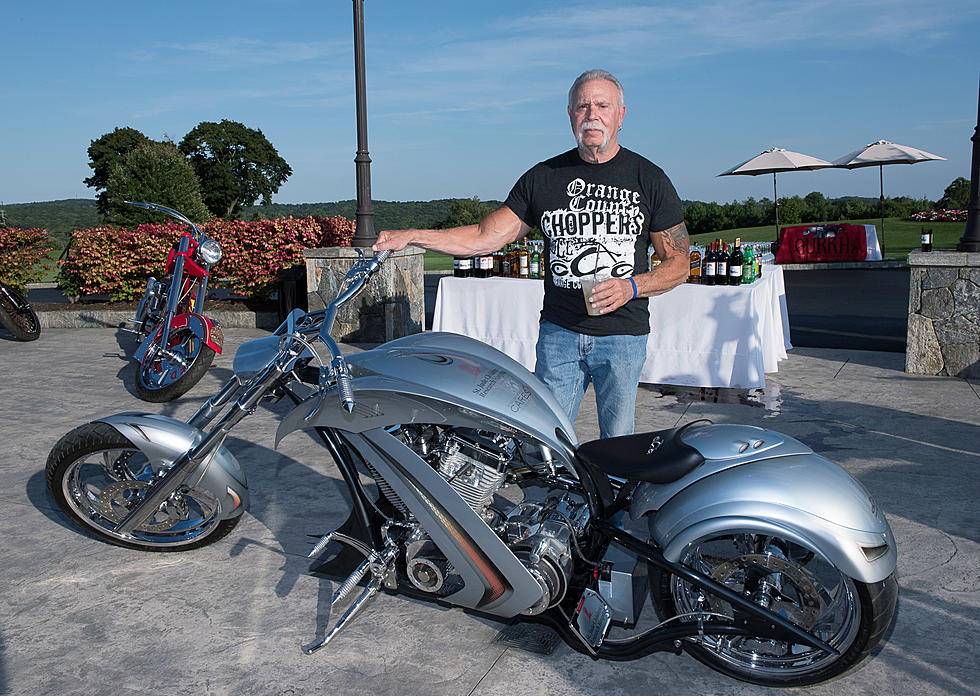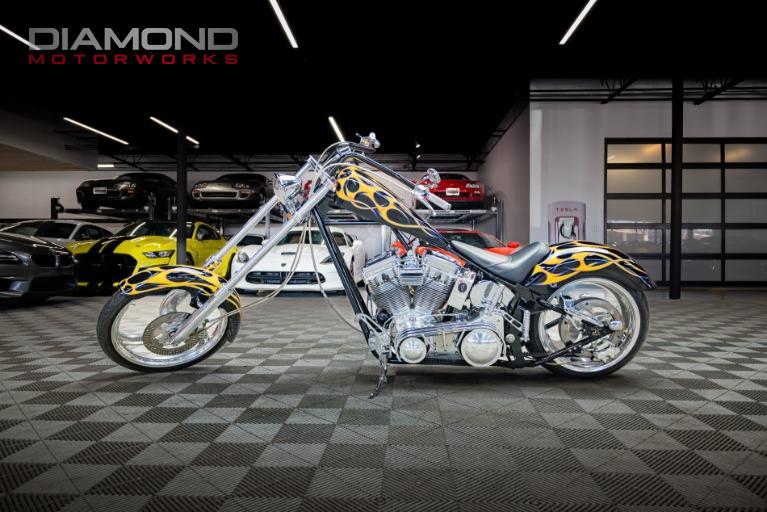
The roar of engines once echoed through the halls of Orange County Choppers (OCC) like a symphony of rebellion, a testament to the American dream forged in steel and gasoline. But today, the once-thriving empire of custom motorcycles stands as a shadow of its former self—a cautionary tale of ambition eclipsed by neglect, innovation stifled by stagnation, and a brand that forgot the very essence of its own legend. What happened to the company that once turned wrenches into worship? The decline of Orange County Choppers isn’t just a story of financial misfortune; it’s a narrative of broken promises, lost identity, and the quiet unraveling of a cultural icon.
The Golden Era: When Choppers Were More Than Metal
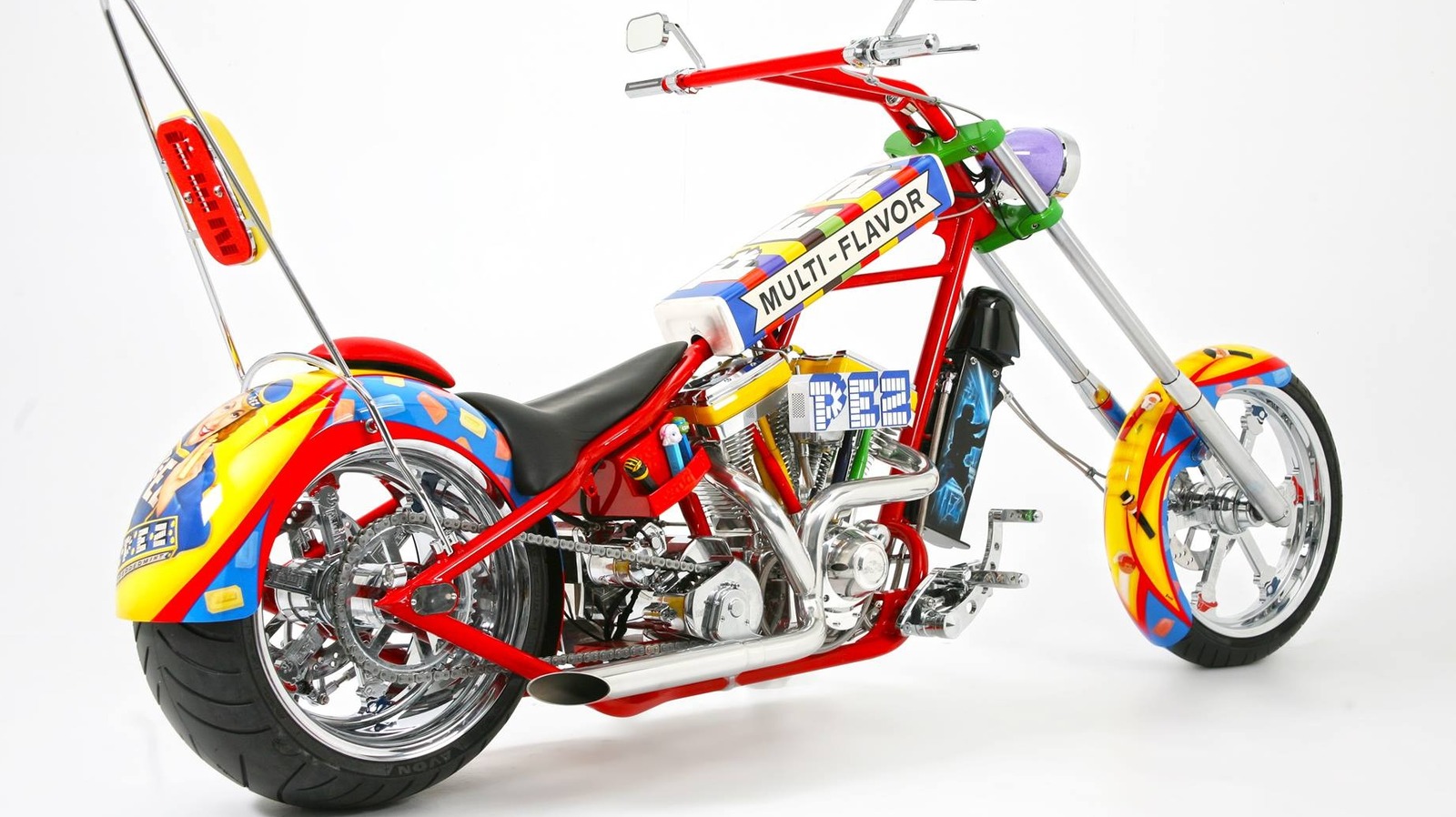
In the early 2000s, Orange County Choppers wasn’t just a business—it was a phenomenon. The reality TV show *American Chopper*, which premiered in 2003, catapulted Paul Teutul Sr. and his son Paul Teutul Jr. into the stratosphere of pop culture. Every episode was a masterclass in craftsmanship, a blend of raw talent and family drama that captivated millions. The shop’s creations weren’t just motorcycles; they were rolling works of art, each frame a canvas for storytelling. The “Fire Bike,” the “Patriot Bike,” the “Papa’s Bike”—these weren’t just machines; they were symbols of an era when custom motorcycles were as much about identity as they were about engineering.
The Teutuls weren’t just builders; they were mythmakers. Their workshops were stages, their tools were props, and their personalities were the script. The show’s success was a double-edged sword, however. While it brought unprecedented fame, it also set the stage for a slow-burning crisis: the conflation of entertainment with craftsmanship. The line between builder and performer began to blur, and the soul of OCC started to fray at the edges.

The Cracks in the Foundation: When Fame Outpaced Function
By the mid-2000s, the novelty of *American Chopper* began to wane. Audiences grew weary of the same family squabbles, the same recycled plotlines, and the same manufactured drama. The Teutuls, once the darlings of the DIY generation, became caricatures of themselves—a fate that befalls many who rise too fast on the wings of reality TV. But the real damage wasn’t to their public image; it was to the integrity of their craft. The shop’s focus shifted from innovation to spectacle. Bikes were built not for the road but for the camera, their designs prioritizing visual impact over mechanical prowess.
Worse still, the Teutul family’s internal fractures became impossible to ignore. The departure of Paul Teutul Jr. in 2008 wasn’t just a personal blow; it was a professional earthquake. Junior, the creative force behind many of OCC’s most iconic designs, left to form his own company, leaving a void that no amount of TV ratings could fill. The shop’s once-unassailable reputation for quality began to crumble under the weight of missed deadlines, shoddy workmanship, and a growing reputation for prioritizing profit over passion.
The Slow Descent: From Icon to Afterthought
The 2010s were a decade of decline for Orange County Choppers, a period where the company became a relic of a bygone era. The reality TV bubble had burst, and with it, the shop’s primary source of revenue dried up. The bikes that rolled out of the workshop were no longer the stuff of legend; they were generic, mass-produced knockoffs, their once-distinctive style diluted into a sea of mediocrity. The Teutuls, once the kings of the custom bike world, found themselves playing catch-up in an industry that had moved on without them.
Financial troubles mounted. Lawsuits, unpaid bills, and a dwindling customer base painted a grim picture. The shop that had once been a pilgrimage site for motorcycle enthusiasts became a cautionary tale whispered about in backroom forums. The brand’s decline wasn’t just economic; it was existential. Orange County Choppers had forgotten what made it great in the first place: the fusion of artistry and authenticity. In its place stood a hollowed-out husk, a company that had traded its soul for a fleeting moment in the spotlight.
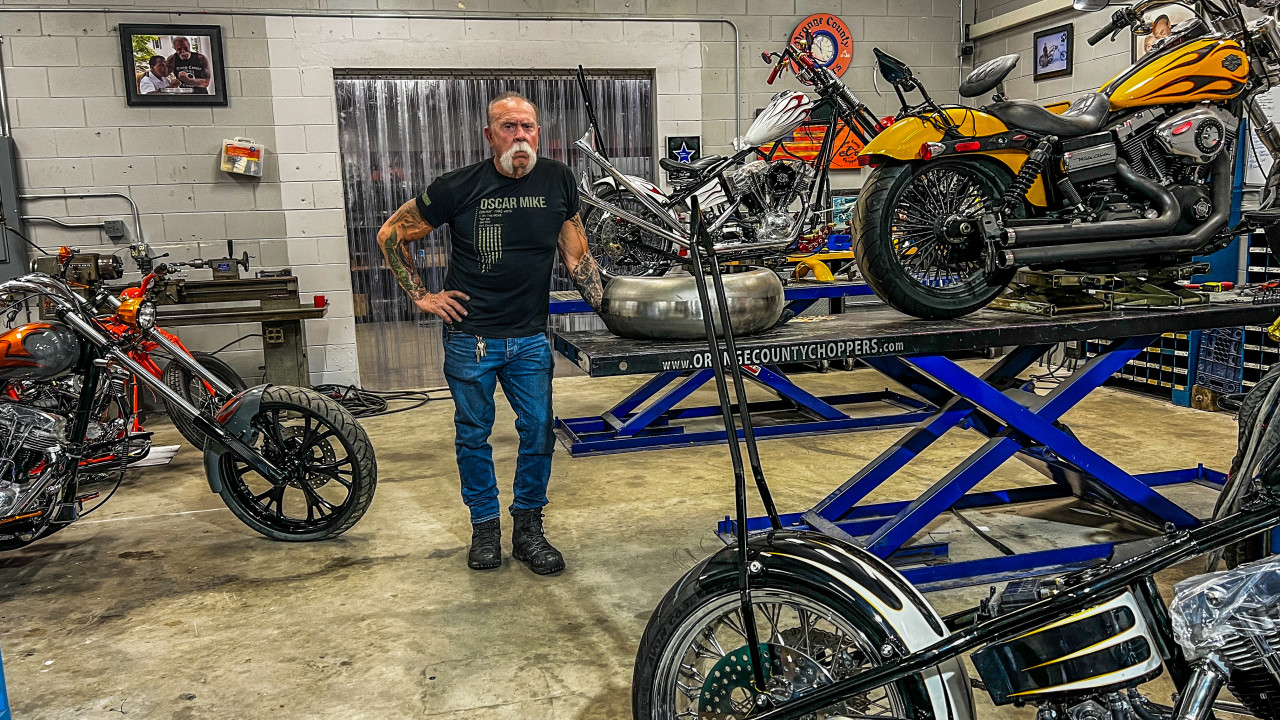
The once-bustling workshop in Orange County, New York, became a ghost of its former self. The sound of hammers on metal was replaced by the silence of empty bays. The Teutuls, now older and weary, struggled to recapture the magic that had once made OCC a household name. Their attempts to pivot—whether through new TV deals, merchandise lines, or even a brief foray into electric bikes—felt like desperate lurches rather than strategic reinventions. The world had changed, and Orange County Choppers had not.
The Legacy: What Remains of a Once-Great Empire
Today, Orange County Choppers exists in a state of limbo. The brand still clings to life, its name recognizable but its relevance fading. The Teutuls have tried to revive the company’s fortunes, but the landscape is unforgiving. The custom motorcycle industry has evolved, with new players rising to prominence—shops that prioritize innovation, sustainability, and a genuine connection to the riding community. OCC, once the standard-bearer, now feels like a museum piece, a relic of a time when choppers were more than just a trend.
Yet, the legacy of Orange County Choppers is not entirely erased. The bikes from its golden era remain coveted by collectors, their value appreciating like fine art. The *American Chopper* show, for all its flaws, introduced generations of viewers to the art of motorcycle customization, inspiring countless enthusiasts to pick up a wrench and a dream. And the Teutuls themselves—flawed, controversial, but undeniably influential—remain a testament to the power of ambition and the fragility of legacy.
But what, then, is the lesson of Orange County Choppers? Is it a story of hubris, of a company that grew too big for its own good? Or is it a tale of missed opportunities, of a brand that forgot the very thing that made it great? The truth, as always, lies somewhere in between. The decline of OCC is not just a cautionary tale about the dangers of fame; it’s a reminder that even the mightiest empires can crumble when they lose sight of their purpose. The roar of those engines may be silent now, but the echoes of what they once represented still linger—faint, but not forgotten.