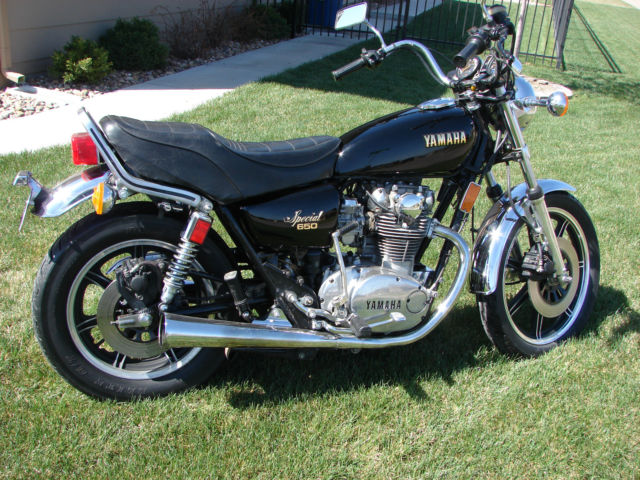
The 1980 Yamaha XS650 stands as a captivating testament to motorcycling heritage, a machine that continues to enthrall riders decades after its initial debut. It is far more than just a relic of a bygone era; it embodies a philosophy of design and engineering that challenges modern perceptions of what a motorcycle should be. For those who have experienced its rumbling twin-cylinder engine and raw mechanical character, the XS650 is not merely a ride—it is an immersive dialogue between man and machine.
At first glance, the minimalist appeal of the 1980 Yamaha XS650 might seem modest compared to the high-tech, multi-functional motorcycles of today. Yet, its unpretentious simplicity conceals layers of ingenuity. Beneath its classic styling lies a reliable air-cooled, 654cc parallel-twin engine, engineered with precision and simplicity that offers a unique riding experience, divorced from the complexities that often shroud contemporary bikes. Its carbureted fuel delivery and pushrod valve train transmit a visceral, almost primal sensation, evoking nostalgia while cutting a distinct profile that defies rapid technological obsolescence.
The XS650’s engine architecture is a cornerstone of its enduring appeal. With a 180-degree crankshaft arrangement, this configuration balances the engine elegantly, delivering a smoother yet unmistakably rhythmic exhaust note. The sound is not merely noise; it’s an auditory signature, a sonorous accompaniment that pulses in harmony with the rider’s heartbeat. Such tonal resonance piques curiosity every time the throttle is opened—there is a cadence to the experience that is inaccessible in many modern motorcycles whose electronic control units regulate sound more than unleash it.
Beyond the engine, the chassis and suspension setup of the 1980 XS650 reveal Yamaha’s commitment to a versatile and engaging motorcycle. The steel double-cradle frame offers robust rigidity without excessive weight, fostering agility and confidence on varied road surfaces. Coupled with telescopic front forks and dual rear shocks, the XS650 provides a compliant ride that, though traditional, never feels antiquated. This balance between ruggedness and comfort invites riders to explore their environment more intimately, rather than simply traversing it.
What truly captivates many enthusiasts is the tactile feedback delivered through the bike’s controls—the directness of the clutch, the mechanical precision of the drum and disc brakes, and the straightforwardness of the transmission. These elements foster an active riding style where the rider is not a passive passenger but a co-creator of the journey. This involvement satisfies a deep-seated craving for authenticity and control that can be diluted by the ubiquity of electronic aids in contemporary models.
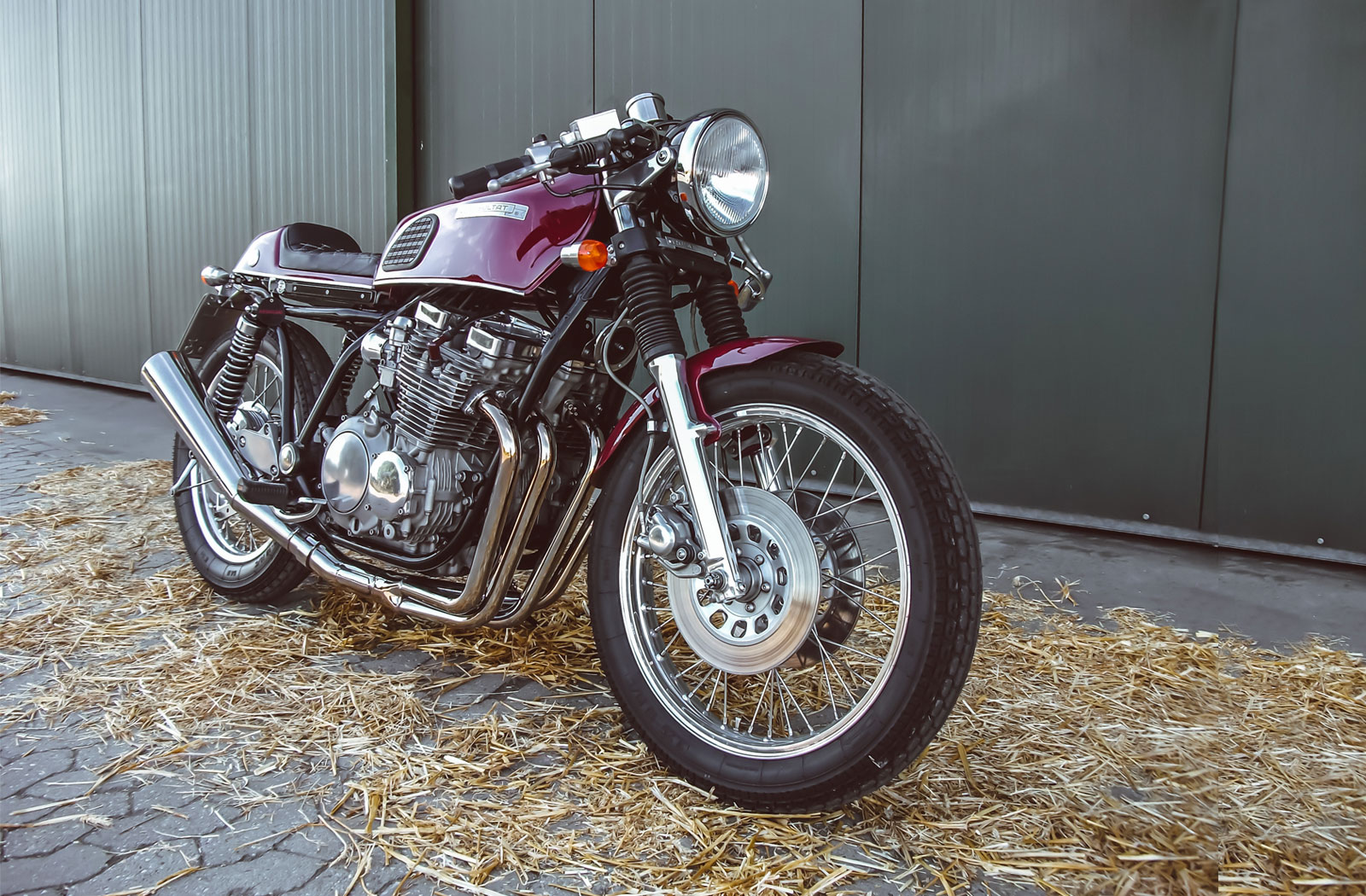
Moreover, the aesthetics of the 1980 Yamaha XS650 possess an enduring charm that transcends passing trends. Its teardrop fuel tank, spoked wheels, and chrome accents evoke a bygone era of motorcycling that many riders romanticize but few modern manufacturers attempt to replicate authentically. This quintessential vintage styling is not just for show; it is a physical narrative of motorcycle evolution that connects present riders directly to the past.
Yet, the XS650 is adaptable. Customizers and restorers prize this model for the relative simplicity of its construction and the abundance of aftermarket parts. This openness allows riders not only to preserve its original character but to inject personal creativity, whether that means transforming it into a café racer, a scrambler, or a bobber. Such versatility nurtures a vibrant community that thrives on innovation anchored in respect for tradition.
Delving deeper, one realizes that the XS650 is a symbol of freedom unencumbered by technological over-saturation. It challenges the modern obsession with digital displays, traction control, and ride-by-wire systems—offering instead a pure mechanical communion. For those disenchanted by the over-digitization of their riding experience, the XS650 provides a compelling alternative, a respite where each gear shift and throttle twist reconnects one to the elemental joys of motorcycling.
This motorcycle does not promise blistering speed or cutting-edge electronics. Instead, it seduces with reliability, character, and a ride quality that encourages mindfulness and presence. As riders navigate the urban jungle or winding country roads atop the XS650, the bike’s rhythmic throb invites reflection amid motion. It evokes a sense of mastery born from understanding a machine built with a transparent and direct approach.
Invariably, the 1980 Yamaha XS650 stands at the crossroads of classic design and enduring functionality, hedging against the ephemeral nature of trends. It invites us to reconsider what truly matters in motorcycling—not raw horsepower or high-tech gadgetry, but the synchronization of sound, feel, and rider intuition. The XS650 is a reminder that the soul of the motorcycle lies in its ability to inspire curiosity, foster engagement, and maintain relevance through timeless simplicity.
In the broader panorama of motorcycle history, the 1980 XS650 emerges not just as a machine, but as an experience that redefines connection between rider and road. It promises a shift in perspective—away from the ephemeral allure of modern complexity and back to the enduring, tactile pleasures that first ignite the passion for two wheels. For all these reasons, the 1980 Yamaha XS650 remains a beloved icon, cherished by those who seek a motorcycle that transcends time and technology.