The fascination with sportbikes, particularly those from the late 20th century, endures far beyond mere nostalgia. Among the pantheon of revered motorcycles, the 1990 Honda CBR600 and VFR750 stand as monumental exemplars of sportbike evolution, epitomizing a blend of technological innovation, design ethos, and rider engagement that transcends decades. Observers of motorcycle history often note the enduring appeal of these machines—not simply as relics, but as symbols of progressive engineering and the relentless pursuit of performance. However, the deeper reasons for this fascination reveal more than just specs and speed; they reside within the intricate balance these sportbikes achieved between raw power and refined control, a synthesis that ignited a passion for riding and redefined what sportbikes could be.
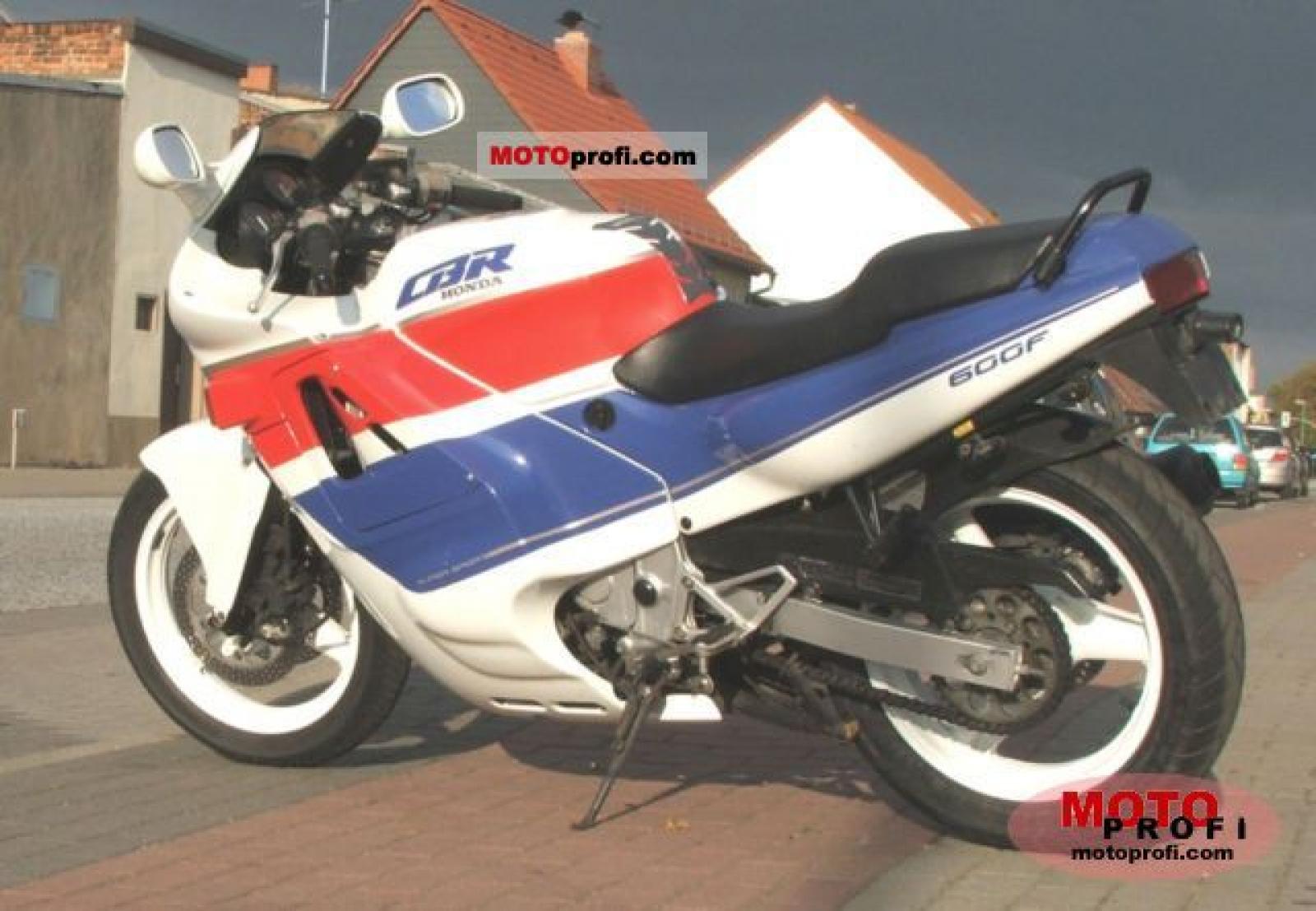
The 1990 Honda CBR600F marked a pivotal moment in the middleweight sportbike segment, effectively bridging accessibility with high-performance attributes. Unlike its larger, more intimidating siblings, the CBR600F was a nuanced response to the demand for a versatile machine capable of excelling in both urban environments and twisty backroads. Its 599cc four-cylinder engine was a marvel of balance—delivering smooth, responsive power without sacrificing manageability. The CBR600’s inline-four bore testimony to Honda’s engineering prowess, translating sophisticated mechanical architecture into a faithful extension of a rider’s intent.
Craftsmanship on the CBR600F went beyond mechanical components; the frame design demonstrated a refined understanding of mass centralization, which significantly enhanced handling agility. The twin-spar frame construction cleverly minimized flex while maintaining a lightweight profile. Its suspension setup, featuring adjustable forks and a rear monoshock, allowed riders to tailor the bike’s character to varying road conditions and riding styles. This adaptability underscored the sportbike’s universal appeal—inviting both novices and seasoned riders to engage in a dynamic interplay of control and confidence.
Ergonomically, the 1990 CBR600F embraced a rider-centric philosophy. Contrary to the brutally aggressive posture typical of pure race replicas, the CBR’s seating arrangement struck a delicate equilibrium between sportiness and comfort. This design allowed longer rides without fatigue, thereby broadening the scope of the sportbike’s usability. Such thoughtful ergonomics hinted at a deeper conceptual shift: the sportbike was no longer solely about blistering lap times but about an immersive experience that married thrill with endurance.
In parallel, the VFR750 was a testament to Honda’s commitment to combining performance with innovation at the upper engine displacement tier. The VFR750, introduced in various iterations throughout the late 1980s and firmly established by 1990, championed a different sort of engineering boldness. Its V4 engine configuration was a striking departure from the ubiquitous inline fours dominating the era. This choice bestowed the VFR750 with distinctive power delivery characteristics and a sonorous exhaust note that captured the imagination of enthusiasts.
The VFR750’s V4 proved not just an exercise in novelty but a pragmatic solution to balance power with compactness. The shorter crankshaft offset and narrow engine profile enhanced chassis dynamics, allowing for an exceptionally responsive ride. Such engineering choices suggested a deeper understanding of how component layout directly affects overall motorcycle behavior. The sporty yet stable demeanor of the VFR750 was something that riders felt viscerally—a hallmark of successful motorcycle design rarely articulated but keenly experienced.
Complementing its powertrain, the VFR750’s technological advancements were ahead of their time. It boasted sophisticated gearboxes, notable for their precision and smooth shifting, which minimized rider effort and maximized control. Additionally, the incorporation of Honda’s Pro-Link rear suspension system enhanced rear wheel traction and ride comfort, a pioneering technology that influenced future sportbike suspension paradigms. These details might escape cursory glance yet reveal the bike’s underlying quest for mechanical harmony, a characteristic that has perpetuated its mythical status among connoisseurs of motorcycling.
Visual and aesthetic language played a critical role in the appeal of both machines. The 1990 CBR600 combined sharp, aerodynamic fairings with a purposeful stance that suggested speed even at rest. Its design was not merely for visual impact but functional airflow management, enhancing stability at elevated velocities. The VFR750 mirrored this approach but with a more muscular silhouette, its contours expressing an almost sculptural fluidity that balanced aggressive intent with poised elegance.
Beyond the tangible specifications and technical breakthroughs lies the psychological element fueling admiration for these sportbikes. The 1990 Honda CBR600 and VFR750 encapsulate a romance of motorcycling culture that intertwines risk, mastery, and the sensation of kinetic artwork in motion. They symbolize the era’s zeitgeist—a period when manufacturers began to appreciate sportbikes as more than mere transportation tools, envisioning them as experiential vessels that could evoke emotion as effectively as adrenaline.
This convergence of engineering excellence, aesthetic finesse, and rider empowerment hints at why these two bikes have not merely aged into collectible artifacts but remain vibrant symbols of sportbike evolution. They illustrate a pivotal chapter where sportbikes matured from raw machines into refined extensions of human skill. This maturation process persists in contemporary designs but often at the expense of the visceral tactile feedback and unfiltered engagement the 1990 models so prominently delivered.
In reflecting on the 1990 Honda CBR600 and VFR750, it becomes clear that their enduring legacy is anchored not just in their specifications or marketplace success, but in their ability to inspire a profound connection between rider and machine. They forged pathways through decades of technological shifts and shifting cultural tides, embodying an ethos of innovation and rider-centric design. In so doing, they laid foundational stones for modern sportbikes and provided a timeless blueprint for what makes motorcycles truly exhilarating. The fascination they continue to inspire speaks to something primal in human nature—the quest for harmony between man and machine, daring and control, speed and grace.