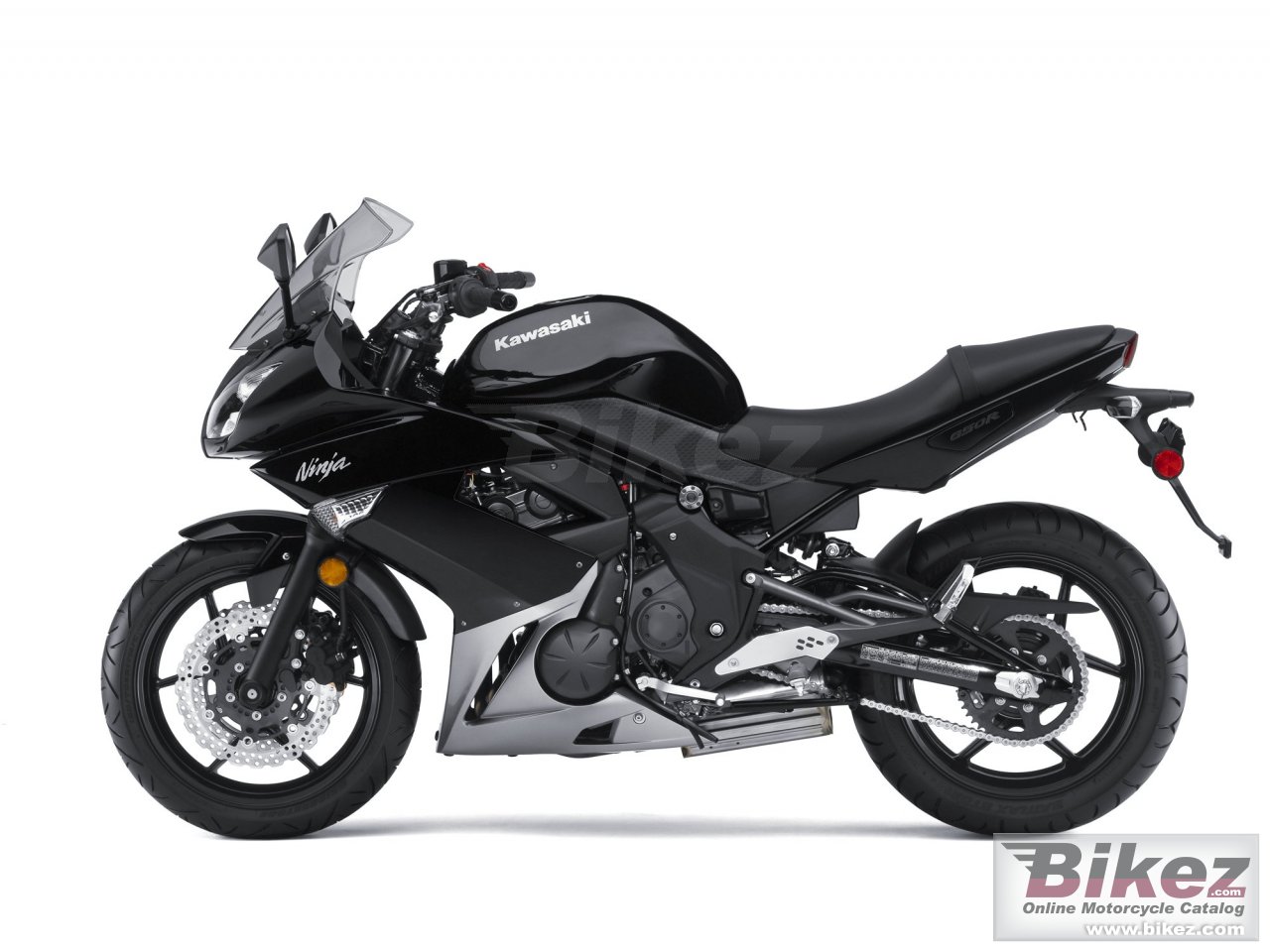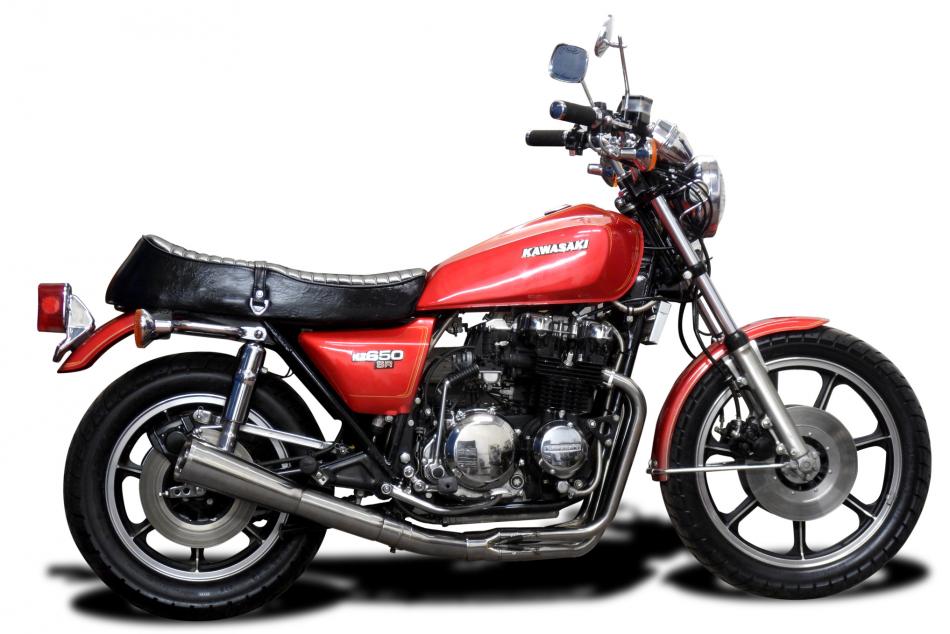
The landscape of classic motorcycles from the early 1980s is a fascinating one, marked by distinct engineering philosophies and evolving rider preferences. Among the noteworthy contenders are the 1981 Kawasaki CSR650 and the KZ750. Both machines hail from a pivotal era in motorcycling history, reflecting Kawasaki’s commitment to performance and reliability. However, discerning which model truly reigns superior demands a comprehensive exploration of their specifications, handling characteristics, design elements, and overall riding experience.
At first glance, the 1981 Kawasaki CSR650 and the KZ750 appear to cater to slightly different niches. The CSR650, a variant of the venerable KZ650, was designed with a nod to the café racer aesthetic and tends to appeal to those who appreciate a blend of vintage style and spirited street performance. Meanwhile, the KZ750 presents as a more refined evolution, offering increased displacement with a larger engine and updated features. Both motorcycles embody the quintessential Japanese engineering ethos of the era—prioritizing ruggedness, ease of maintenance, and balanced power delivery.
Powertrain and Performance Dynamics
At the heart of both motorcycles lies an inline four-cylinder, air-cooled engine with a double overhead camshaft (DOHC) configuration, harmonizing smoothness with respectable power outputs. The 1981 Kawasaki CSR650’s 653cc engine produces a lively powerband, delivering approximately 64 horsepower at around 9,000 rpm. This translates into brisk acceleration and a satisfying throttle response for urban commuting or windy backroad cruises.
In contrast, the KZ750’s engine ups the ante with a 745cc displacement, nudging output figures to roughly 67-70 horsepower, depending on market specifications. This additional displacement not only affords a slightly higher top-end speed but also bolsters mid-range torque, a crucial factor for rapid overtaking maneuvers and highway stability. The broader torque curve helps in maintaining a more relaxed riding style, minimizing the need for frequent gear changes.
One should also factor in the carburetion and exhaust systems, which play influential roles in power delivery and throttle characteristics. The CSR650 is often praised for its distinctive exhaust note coupled with crisp fuel delivery, characteristics that resonate with enthusiasts drawn to classic café racer aesthetics. Meanwhile, the KZ750’s engineering refinements contribute to a smoother, more tractable engine, offering a degree of versatility that appeals to both spirited riders and daily commuters alike.
Chassis, Suspension, and Handling
Beyond raw engine performance, the chassis and suspension are pivotal to defining the motorcycle’s character. The CSR650 features a robust tubular steel frame that balances rigidity with a degree of flex, ensuring an engaging ride without sacrificing comfort. Its suspension setup, consisting of telescopic front forks and dual rear shocks, offers competent damping suited for urban environments and twisty roads alike.
Handling tends to be nimble, attributed to a relatively low weight (hovering near 200 kg dry) and moderately aggressive geometry. The riding position, slightly forward-leaning but far from extreme, accentuates rider control during spirited maneuvers, aligning well with the café racer ethos inherent to its lineage.
On the other hand, the KZ750 utilizes an evolved frame design with subtle reinforcements that contribute to enhanced straight-line stability, particularly at higher speeds. Suspension benefits from incremental improvements, such as upgraded damping characteristics in the front forks and more adjustable rear shocks, allowing riders to tune the setup according to their preferences and terrain conditions.
This translates into a more versatile motorcycle capable of confidently handling freeway cruising, long-distance travel, and variable road surfaces. Though slightly heavier than the CSR650, this additional mass is counterbalanced by well-matched suspension and chassis geometry, providing a confidence-inspiring ride that encourages prolonged outings without fatigue.
Braking Systems and Safety Considerations
The braking technology of the early 1980s was undergoing rapid development, with the transition from drum to disc becoming widespread. The CSR650 is equipped with front dual discs coupled with a rear drum brake, offering strong stopping power for its weight class. The dual front disc brakes provide reliable bite, essential in emergency situations or spirited riding, though the rear drum brake requires mindful modulation to prevent lockup.
The KZ750, benefiting from the technological increments of a slightly later period, typically sports dual front disc brakes and a rear disc, greatly enhancing its stopping capabilities. This upgrade reduces brake fade during prolonged use and elevates rider confidence under demanding conditions. Thoughtful engineering in brake calipers and master cylinders ensures smooth pedal feel and progressive engagement, critical attributes that contribute to safer riding dynamics.
Design and Ergonomics
The visual distinctions between the two models underscore their divergent philosophies. The CSR650 embraces a stripped-down, purposeful aesthetic reminiscent of café racers that were popular in Europe during the 1960s and 70s. Its minimalist fairings, sculpted fuel tank, and solo seat configurations evoke a timeless appeal, lauded by purists who prize authenticity and character. The riding position while aggressive, does not impose excessive strain, marrying form and function gracefully.
Conversely, the KZ750 emphasizes practicality through a slightly bulkier frame, larger instrumentation cluster, and more comfortable, dual seat setup. The ergonomics lean toward accommodating a wider demographic of riders, including those who might prioritize touring capabilities alongside spirited riding. The fuel tank carries increased capacity on some variations, extending the range and augmenting its utility.
Instrument clusters on the KZ750 tend to offer a richer array of feedback—tachometer, speedometer, temperature gauges, and occasionally a clock—a step up in rider information that enhances road awareness and trip planning. The lighting systems, mirrors, and switchgear also improve in refinement, underscoring Kawasaki’s evolution toward heightened rider convenience without diminishing the retro charm.
Maintenance and Reliability
Both motorcycles are recognized for robust construction and relative ease of maintenance, hallmark traits of Kawasaki’s engineering heritage. The air-cooled four-cylinder layout simplifies cooling system upkeep, while modular engine components facilitate routine servicing tasks such as valve adjustments, carburetor synchronization, and spark plug replacements.
Spare parts availability tends to favor the KZ750, which enjoyed broader production runs and was more prevalent in varied markets. This can influence restoration efforts or daily rider sustainability, especially considering age-related wear. The CSR650, with its niche appeal, may require more diligent sourcing of vintage components or aftermarket solutions, though the thriving enthusiast community helps bridge this gap.
Which Motorcycle Suits Your Riding Style?
Choosing between the 1981 Kawasaki CSR650 and KZ750 is essentially a question of prioritization. If a rider seeks an evocative machine that captures the essence of café racer culture, combining lightweight agility with spirited performance, the CSR650 excels as a stylish, engaging companion. Its aesthetic and mechanical simplicity render it a rewarding project or daily rider for those who enjoy direct connection to the machine and the road.
Conversely, if practical versatility, upgraded braking, and enhanced comfort rank higher on a rider’s checklist, the KZ750 emerges as the superior candidate. Its incremental improvements across power, chassis, and rider amenities provide a more balanced motorcycle for a range of conditions—from city streets to open highways. It not only offers a glimpse into Kawasaki’s evolutionary pursuits but also serves as a reliable choice for longer journeys.
Conclusion
The 1981 Kawasaki CSR650 and KZ750 each embody distinct facets of motorcycling heritage, shaped by varying design intents and rider aspirations. While the CSR650 charms with its retro café racer flair and nimble handling, the KZ750 impresses with its heftier engine, improved braking, and all-around versatility. Understanding their strengths and limitations facilitates an informed decision, empowering enthusiasts to select the motorcycle that best aligns with their stylistic preferences, riding demands, and maintenance expectations.
Ultimately, both models stand as testaments to Kawasaki’s ingenuity during a transformative period in motorcycling history. Whether one opts for the raw, purist thrill of the CSR650 or the composed, capable presence of the KZ750, each motorcycle offers a unique connection to an era when form and function met in beautifully balanced harmony.