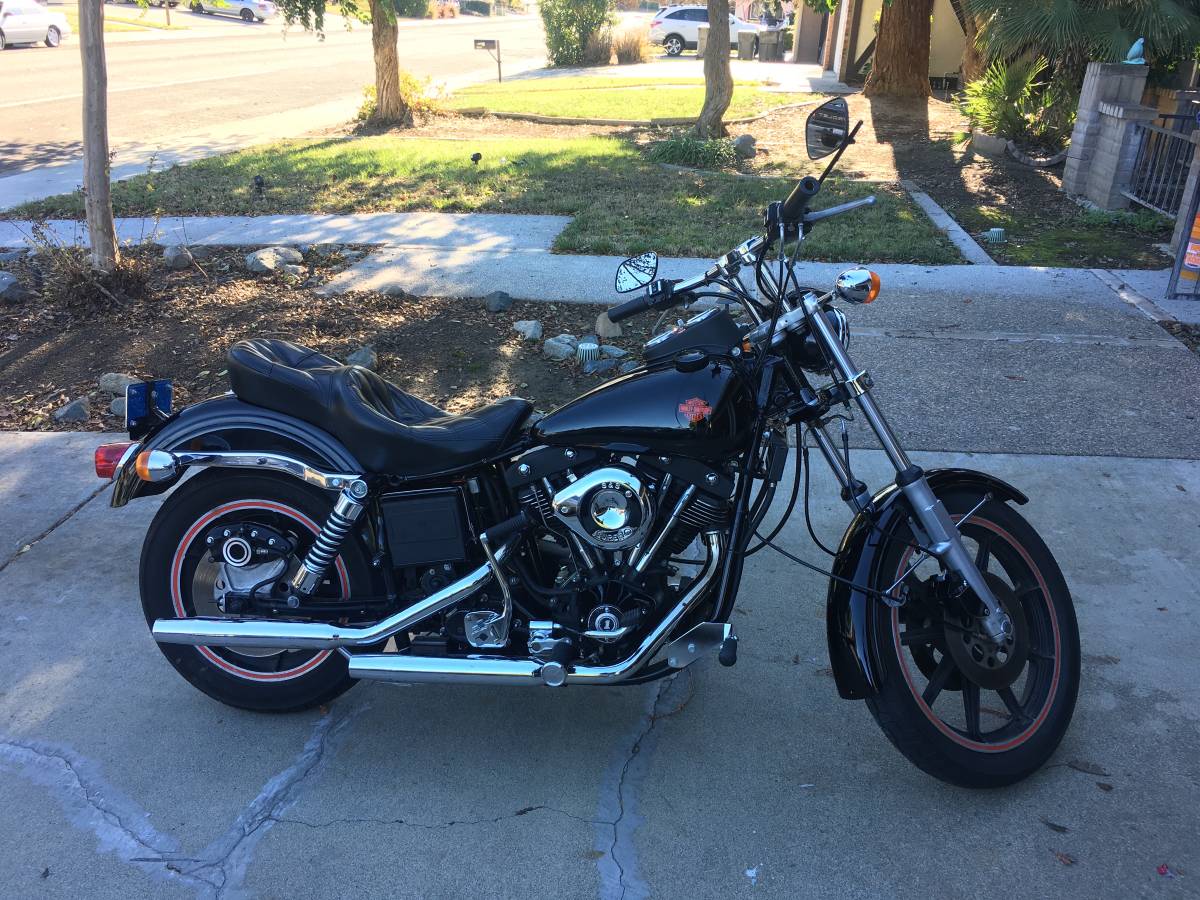
In the annals of motorcycling history, the 1981 Harley-Davidson Sturgis and FLH models occupy a distinguished place, embodying the spirit of classic American touring motorcycles. These machines are more than mere transportation; they serve as cultural icons, a testament to enduring design philosophy and engineering prowess. Their significance transcends functionality, appealing deeply to aficionados who crave a blend of reliability, ruggedness, and nostalgic elegance.
At first glance, the 1981 Harley-Davidson Sturgis commands attention with its robust presence. Developed during a pivotal time for the brand, the Sturgis was a clear expression of Harley’s dedication to traditional aesthetics combined with practical touring capabilities. This bike’s design incorporates a muscular frame, definition in every curve, and a visual balance that appeals to both the purist and the everyday rider. The Sturgis was named after the legendary motorcycle rally in South Dakota, a deliberate nod to the machine’s suitability for long rides and its place within biker culture.
One of the most captivating aspects of the 1981 Harley Sturgis lies in its engineering framework. Powered by Harley-Davidson’s iconic Evolution V-twin engine, this motorcycle delivers a harmonious blend of torque and smoothness. The Evolution engine represented a significant leap forward, featuring reliable air-cooled cylinders and enhanced durability, which markedly improved the touring experience. Riders found the power delivery predictable yet engaging, providing a a sublime balance between spirited acceleration and comfortable cruising.
In contrast, the FLH model, often referred to as the Electra Glide, amplifies Harley’s touring prowess with refined luxury and practical innovation. Tailored for travelers who cherished long-distance journeys, the FLH was equipped with upgraded suspension systems, a more comprehensive fairing setup, and options for extensive storage. The Electra Glide’s hallmark was its electronic ignition system, a modern advancement in Harley’s lineup that bolstered reliability and ease of use. The FLH appealed to those who sought a blend of rugged capability and rider comfort, making it a benchmark for touring motorcycles of its era.
Both the Sturgis and the FLH are steeped in distinctive styling cues that paint a vivid picture of early 1980s motorcycling trends. The Sturgis favored a minimalist approach with chrome embellishments accentuating its muscular silhouette, while the FLH embraced a more elaborate ensemble, incorporating leather saddlebags, a full front fairing, and large comfortable seats catering to long road escapades. The instrumentation on both models was designed with functionality in mind; gauges were clear and accessible, delivering essential information without distraction.
When discussing content related to these motorcycles, readers can anticipate an exploration of several thematic strands. Technical analysis forms the backbone of any detailed discussion. Expect comprehensive reviews of the Evolution engine’s mechanics, from its pushrod valve train to its distinctive cam profiles and cooling fins. Delving into the chassis geometry reveals how Harley managed to strike a balance between stability and maneuverability, ensuring riders could navigate winding roads without compromising comfort or control.
Moreover, historical context enriches the narrative around these models. The early 1980s presented Harley-Davidson with significant challenges, including competition from Japanese manufacturers and evolving emission standards. The Sturgis and FLH models symbolize Harley’s resilience during this period, showcasing how tradition and incremental innovation can sustain a venerable brand. Content often includes retrospectives on how these bikes were received by the public and critics alike, revealing marketing strategies and community reception.
Enthusiasts also engage with anecdotes, personal stories, and restoration chronicles. Many riders have recounted their long rides on these Harleys, sharing tales of cross-country journeys, rallies, and communities forged on the road. Restoration projects provide another rich vein of content, highlighting the painstaking efforts involved in sourcing authentic parts, refinishing chrome, and preserving original paint schemes. These narratives underscore the cultural and sentimental value embedded in these machines long after their production ceased.
In addition, expert comparisons frequently surface, positioning the 1981 Sturgis and FLH within a broader lineage of Harley-Davidson motorcycles. Readers can expect in-depth contrasts between these models and predecessors like the Shovelhead-powered Electra Glide or the Sportster series. Such comparative content illuminates evolutionary trends in engine performance, chassis design, and styling philosophies. It also touches upon how consumer preferences have shifted, influencing Harley’s product development strategies in subsequent decades.
Another significant dimension of content focuses on customization and aftermarket enhancements. Both the Sturgis and FLH have inspired countless custom builds, ranging from subtle aesthetic upgrades to full-blown café racers or touring choppers. Articles delve into popular modifications, including suspension tweaks, exhaust system upgrades, and saddle alterations. The cult of customization not only exemplifies personal expression but also reflects broader trends within the motorcycle community, demonstrating the timeless appeal of these classic models.
The cultural impact of the 1981 Harley-Davidson Sturgis and FLH is another vital element that content addresses. These motorcycles symbolize freedom, rebellion, and Americana, qualities firmly embedded in the brand’s image. Visual content, including photography and videography, captures the timeless allure of these bikes in scenic landscapes, urban settings, and rally locales. Multimedia pieces often combine evocative imagery with historical narrative, creating an immersive experience that appeals to both nostalgic enthusiasts and newcomers alike.
Finally, maintenance and ownership guidance constitutes essential knowledge shared among riders and collectors. Detailed content guides troubleshoot common mechanical issues, advise on preventative care to extend engine life, and discuss sourcing hard-to-find parts. Given the age of these models, practical advice on storage, fuel management, and electrical system upkeep is invaluable for preserving functionality and heritage.
Together, these diverse content types create a comprehensive portrait of the 1981 Harley-Davidson Sturgis and FLH — motorcycles that remain emblematic of classic touring motorcycles. Their blend of timeless design, mechanical ingenuity, and cultural significance continues to captivate motorcyclists and historians. Exploring these machines is not merely about the motorcycles themselves but about understanding a rich tapestry of tradition, innovation, and passion that keeps the Harley-Davidson legend vibrant and revered.