The 1982 Suzuki GS series represents a fascinating chapter in motorcycling history, epitomizing the divergence between raw power and agile performance. Among the most iconic in this lineup are the GS850 and GS450 models. Both motorcycles have garnered dedicated followings, yet they cater to markedly different rider experiences. Exploring these two machines reveals nuanced contrasts in engineering, design philosophy, and riding dynamics, making them enduring classics that continue to captivate enthusiasts and collectors alike.
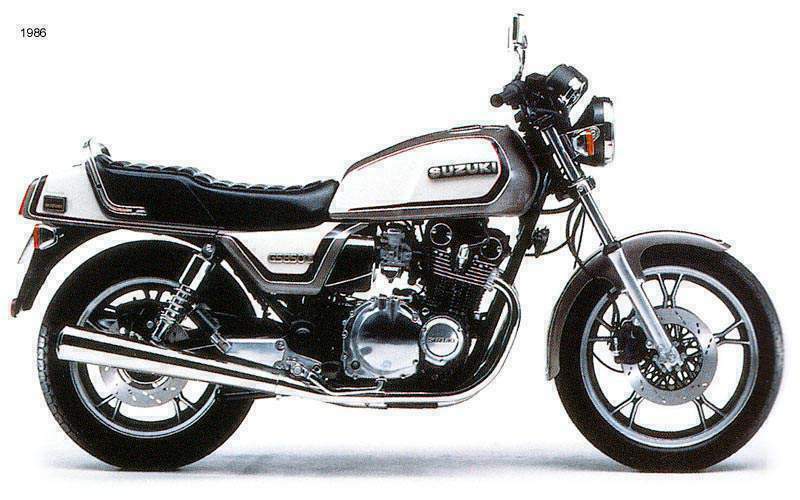
At first glance, the 1982 Suzuki GS850 commands attention through its robust frame and assertive presence. Engineered as a middleweight superbike, the GS850 was Suzuki’s answer to riders craving substantial performance without veering into unwieldy territory. Its inline four-cylinder, air-cooled powerplant delivered approximately 76 horsepower, a remarkable figure for its time, enabling spirited acceleration and confident highway cruising. The GS850’s 845cc engine, coupled with a five-speed transmission, reflected advanced mechanical reliability and smooth power delivery—a hallmark of Suzuki’s engineering prowess during the early 1980s.
Constructed with a double-cradle tubular steel frame, the GS850 balanced rigidity with a manageable curb weight, affording a steady handling experience that bridged sportbike aggression and touring comfort. The suspension setup utilized conventional telescopic forks upfront and dual shock absorbers in the rear, contributing to a supple ride over varied terrains. Disc brakes on both wheels enhanced stopping power, reinforcing the GS850’s position as a capable all-rounder designed to satisfy both weekend warriors and daily riders.

Conversely, the 1982 Suzuki GS450 embraced a markedly different ethos. Positioned as a lightweight street bike, the GS450 emphasized nimbleness and ease of handling. Its 447cc twin-cylinder, SOHC engine produced a modest yet lively 50 horsepower, appealing to novice riders or those favoring agility over brute strength. The GS450’s lighter mass translated into swift maneuverability, making it ideal for urban commuting and technical riding scenarios where precision trumps outright speed.
With a slimmer profile and a more compact chassis, the GS450’s design epitomized the ‘lightweight fun’ mantra. Its frame geometry encouraged spirited cornering and quick direction changes, while the suspension components maintained comfort without compromising responsiveness. Like the GS850, it employed disc brakes upfront, ensuring safe deceleration. Even with its smaller displacement, the GS450 never felt underpowered within its class, offering a lively character that resonated with riders seeking an approachable yet exciting motorcycle.
Diving deeper into rider experience, the GS850’s ergonomics balanced sportiness and comfort, featuring a moderately upright riding position with ample room for rider movement during extended journeys. Its seat cushioning and handlebar placement facilitated relaxed control on long rides, and its substantial fuel tank capacity reduced stop frequency, appealing to touring enthusiasts. In contrast, the GS450 opted for a more compact rider triangle, favoring aggressive posture and quick reactions suitable for quick city traffic navigation or twisty backroads.
Mechanically, both models employed air-cooling, a standard technology of the era, which offered simplicity and ease of maintenance. The carbureted fuel systems on each reflected the engineering norms before the widespread adoption of fuel injection, lending themselves to hands-on tuning and customization—a feature treasured by classic bike restorers and tuners today. The transmission and drivetrain on both machines emphasized reliability, with chain final drives common to motorcycles of their generation.
In the realm of aesthetics, the GS850’s design incorporated clean, angular lines with a muscular tank and substantial side panels, signaling its performance intentions. Chrome accents and a characteristic twin headlamp configuration enhanced its visual appeal, adding to its commanding road presence. The GS450, by comparison, adopted a more understated visual signature, featuring smaller dimensions and a minimalist approach that aligned with its functional philosophy. Both motorcycles bore the distinctive Suzuki badge proudly, emblematic of quality and motoring passion.
The 1982 Suzuki GS850 and GS450 models also differ significantly in their versatility and target demographics. The GS850 catered to riders desiring a performance-oriented machine capable of dispatching long distances or spirited rides with aplomb. It appealed to experienced motorcyclists who appreciated the power and stability requisite for highway speed and touring comfort. Meanwhile, the GS450 proved popular among beginners and those prioritizing ease of use and cost efficiency, providing an approachable entry point into motorcycling without sacrificing excitement.
The aftermarket and vintage scene have embraced both models with enthusiasm. The GS850’s robust platform lends itself to customization, with owners frequently converting them into café racers, streetfighters, or classic sportbikes. Its mechanical simplicity makes it a favorite among restorers who relish maintaining or enhancing early 80s Suzuki technology. Meanwhile, the GS450 continues to be celebrated as a versatile commuter and beginner classic, often restored or modified to enhance its nimble characteristics.
In summary, the 1982 Suzuki GS850 and GS450 exemplify two divergent interpretations of motorcycling passion—one rooted in potent performance and commanding presence, the other in lightweight agility and spirited fun. Each model brings its own unique chapter to the annals of classic motorcycles. Whether one gravitates toward the emissary of power that is the GS850 or the nimble companion in the GS450, these motorcycles offer rich experiences steeped in the heritage and innovation that defined Suzuki’s early 1980s line.
Ultimately, the choice between the GS850 and GS450 distills to rider preference and intended use. Both motorcycles serve as enduring testaments to the versatility and appeal of Suzuki’s GS family, showcasing how thoughtfully engineered machines can capture distinct facets of the motorcycling experience. For enthusiasts seeking a connection to classic motorcycle culture, these models represent compelling invitations to explore the delicate equilibrium between power and playfulness that continues to inspire riders today.