The Japanese retro chopper aesthetic is a mesmerizing fusion of raw power and poetic elegance, where steel and soul intertwine like the delicate brushstrokes of a sumi-e painting. It’s not merely a style—it’s a rebellion wrapped in nostalgia, a love letter to an era when motorcycles were more than machines; they were rolling sculptures of freedom, each curve whispering stories of rebellion, craftsmanship, and the open road. This aesthetic transcends mere transportation; it’s a cultural artifact, a visual symphony of chrome, leather, and the unmistakable hum of a V-twin engine. To understand its allure is to peer into a world where the past and present collide in a burst of chromatic defiance.
The Allure of the Chrome-Crowned Beast
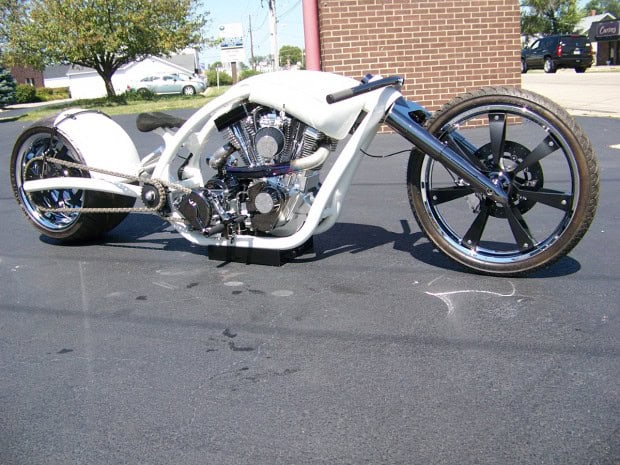
At the heart of the Japanese retro chopper aesthetic lies the motorcycle itself—a beast of burden reimagined as a totem of individuality. These machines are not built for speed alone; they are sculpted for spectacle, their elongated forks reaching toward the heavens like the outstretched arms of a samurai mid-battle cry. The chrome, polished to a mirror-like sheen, reflects not just the world around them but the soul of their riders, who see in these mechanical marvels a mirror of their own untamed spirits. There’s a certain irony in how something so industrial can evoke such a sense of artistry—every bolt, every weld, every polished surface is a deliberate stroke in a larger canvas of rebellion and reverence.
The appeal isn’t just in the visuals, though. It’s in the sound—the deep, resonant growl of an engine that seems to pulse with the rhythm of a taiko drum. It’s in the way the wind howls past the rider’s ears, a siren’s call that drowns out the mundane. This is machinery as poetry, where function bows to form, and every ride becomes a performance.

The Art of the Chop: When Less Becomes More
To “chop” a motorcycle is to strip it down to its essence, to pare away the superfluous until only the raw, unfiltered soul remains. It’s a process akin to haiku—condensing vast emotions into a few deliberate lines. The Japanese retro chopper takes this philosophy to heart, discarding the factory-issued fluff in favor of elongated frames, raked-out front ends, and handlebars that stretch toward the rider like the branches of an ancient bonsai tree. The result is a machine that feels alive, as if it’s not just a vehicle but a living extension of its rider’s will.
This minimalism isn’t laziness; it’s precision. Every cut, every weld, every adjustment is a calculated decision, a testament to the rider’s vision. The absence of excess doesn’t dilute the aesthetic—it amplifies it. The chopper becomes a study in contrasts: the stark lines of the frame against the organic curves of the leather seat, the industrial grit of the engine juxtaposed with the delicate lacework of the handlebars. It’s a visual paradox, a machine that is both brutal and refined, a paradox that mirrors the duality of its riders.
The Soul of the City Pop Era
The Japanese retro chopper aesthetic didn’t emerge in a vacuum. It was born from the neon-drenched streets of 1980s Tokyo, where the pulse of city pop music and the hum of V-twin engines wove together into a cultural tapestry. This was an era of excess and innovation, where the boundaries between high art and low culture blurred into obscurity. The chopper, with its elongated silhouette and gleaming chrome, became the perfect emblem of this zeitgeist—a machine that was as much a work of art as the album covers and fashion trends of the day.
City pop, with its synth-heavy melodies and dreamy vocals, provided the soundtrack to this movement. The music’s futuristic yet nostalgic vibe mirrored the chopper’s own duality: a machine that looked backward even as it roared forward. The riders of these machines weren’t just commuters; they were time travelers, gliding through the urban sprawl with one foot in the past and the other in a neon-lit future. The chopper became more than a mode of transport—it was a mobile shrine to an era that valued style as much as substance.
The Rider’s Mantle: Wearing the Aesthetic
To own a Japanese retro chopper is to wear an aesthetic like a second skin. It’s not just about the machine; it’s about the rider’s entire presence—the way they straddle the saddle, the tilt of their helmet, the deliberate slowness of their movements as they mount the beast. The chopper aesthetic is a performance, a carefully curated display of attitude and intention. The leather jacket, the fingerless gloves, the aviator sunglasses—each element is a brushstroke in the portrait of a modern-day ronin, a wanderer who carries their home on two wheels.
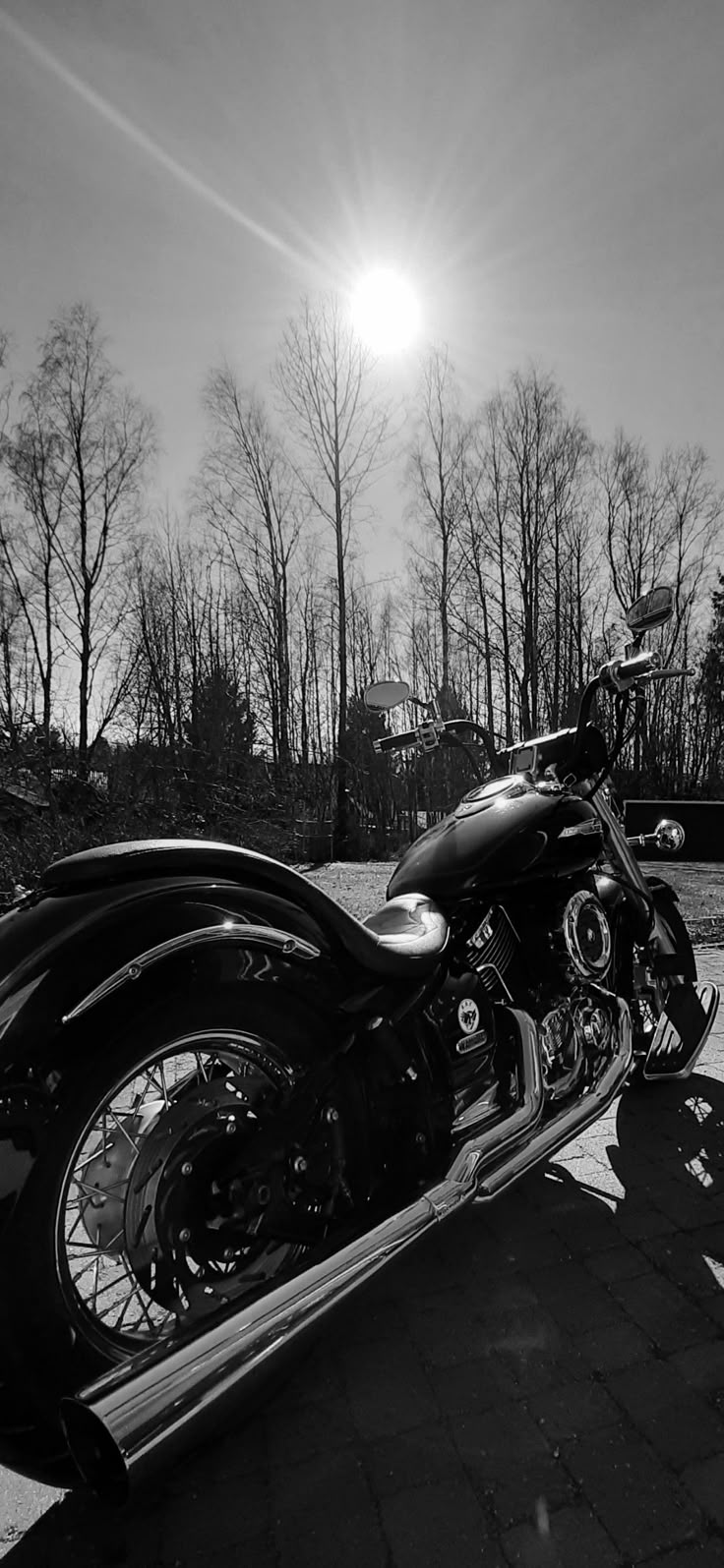
This aesthetic isn’t confined to the rider’s attire, though. It extends to their lifestyle, their choices, their very way of moving through the world. The chopper rider doesn’t just park their bike; they position it like a sculpture, angling it just so to catch the light. They don’t just ride; they cruise, savoring the journey as much as the destination. It’s a philosophy of intentionality, a rejection of the disposable in favor of the enduring. In a world that moves at breakneck speed, the chopper rider moves with purpose, their machine a silent testament to a slower, more deliberate way of life.
The Global Echo: Why the Aesthetic Resonates Worldwide
The Japanese retro chopper aesthetic has transcended its cultural origins to become a global phenomenon, a testament to its universal appeal. In cities from Los Angeles to Berlin, riders are drawn to the same allure—the same blend of rebellion, craftsmanship, and raw beauty. What is it about this aesthetic that speaks to people across continents and cultures? Perhaps it’s the way it embodies the human desire to stand out while still belonging to something larger than oneself. Or maybe it’s the way it harks back to a time when individuality was celebrated, not commodified.
There’s also something inherently democratic about the chopper aesthetic. Unlike the sleek, mass-produced motorcycles of today, a retro chopper is a deeply personal creation. Every modification, every custom touch, is a reflection of the rider’s personality. It’s a rebellion against the one-size-fits-all mentality of modern consumerism, a declaration that the rider’s machine should be as unique as their fingerprint. In a world where so much is transient, the chopper stands as a defiant ode to permanence, to the idea that some things are worth the time and effort it takes to create them.
The Future of the Aesthetic: A Timeless Rebellion
As the world hurtles toward an increasingly digital future, the Japanese retro chopper aesthetic remains a steadfast reminder of the beauty in the tangible, the handcrafted, the enduring. It’s a rebellion against the ephemeral, a celebration of the analog in a world that’s increasingly virtual. The chopper rider, with their gleaming machine and leather-clad presence, is a walking anachronism—a living, breathing contradiction in a world of algorithms and automation.
Yet, this isn’t a nostalgia for nostalgia’s sake. The chopper aesthetic isn’t about clinging to the past; it’s about reimagining it. It’s about taking the raw materials of history and forging something new, something that speaks to the present moment. In an era where so much of our lives is mediated through screens, the chopper offers a tactile, visceral experience—one that engages all the senses. It’s a reminder that beauty isn’t just something to be observed; it’s something to be felt, to be lived.
The Japanese retro chopper aesthetic is more than a style. It’s a philosophy, a way of life, a defiant middle finger to the idea that progress must come at the cost of soul. It’s a machine, yes, but it’s also a muse, a muse that inspires riders to live boldly, to create fearlessly, and to ride unapologetically. In a world that often feels like it’s moving too fast, the chopper is a sanctuary—a place where time slows down, where the road stretches endlessly ahead, and where the rider is free to be exactly who they are.

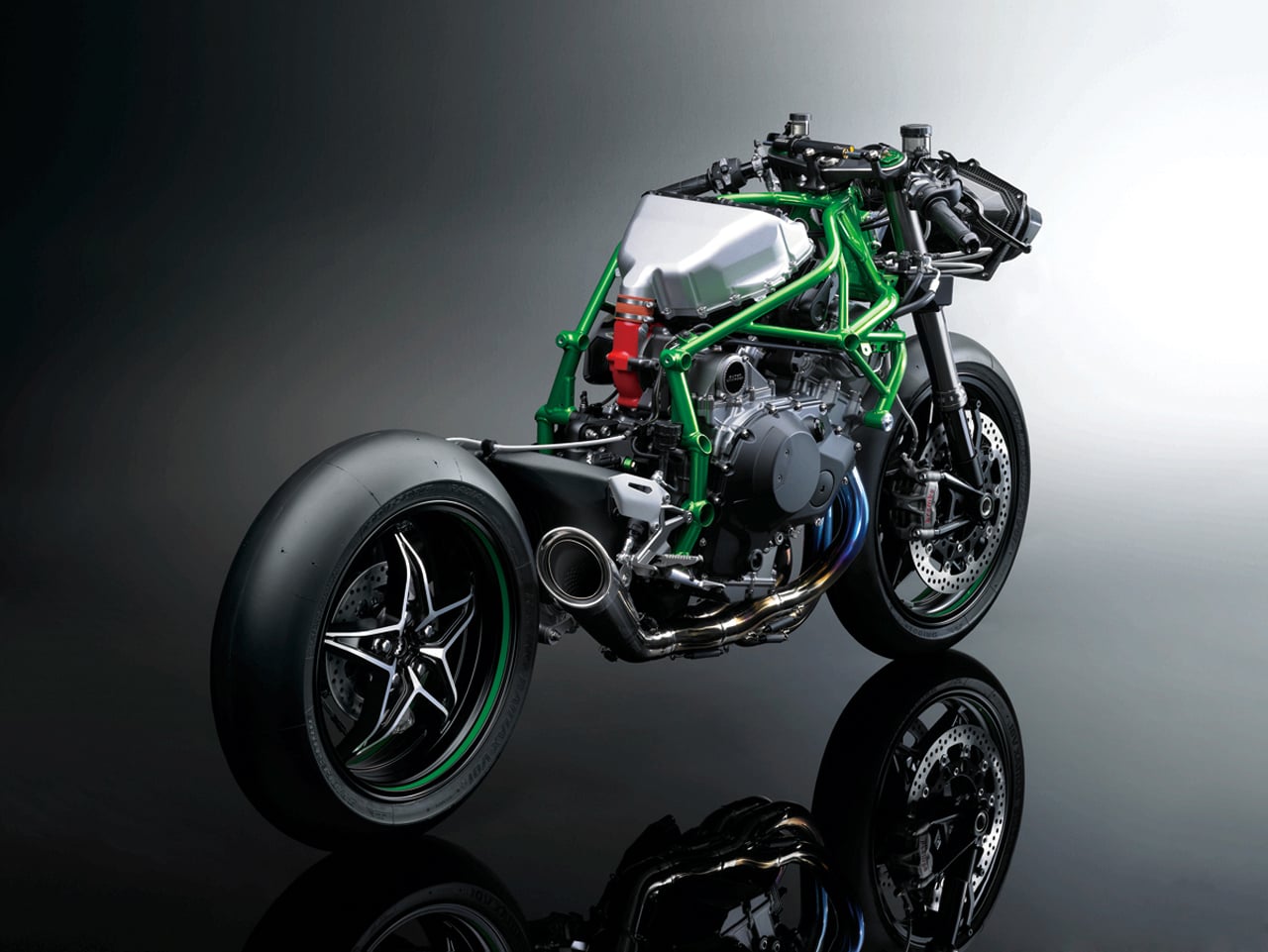
The machine in the image is a masterclass in the chopper aesthetic—every line, every curve, a deliberate stroke of rebellion and artistry. The elongated forks reach skyward like the arms of a dancer mid-pose, while the chrome reflects not just the world around it but the soul of its rider. It’s a machine that doesn’t just stand; it commands attention, a silent sentinel of a bygone era that refuses to be forgotten.