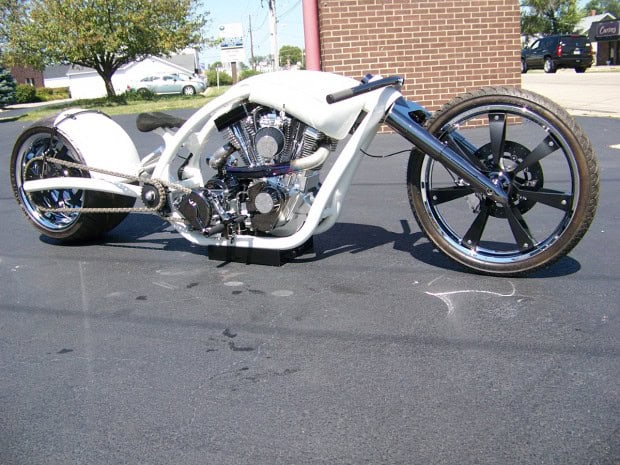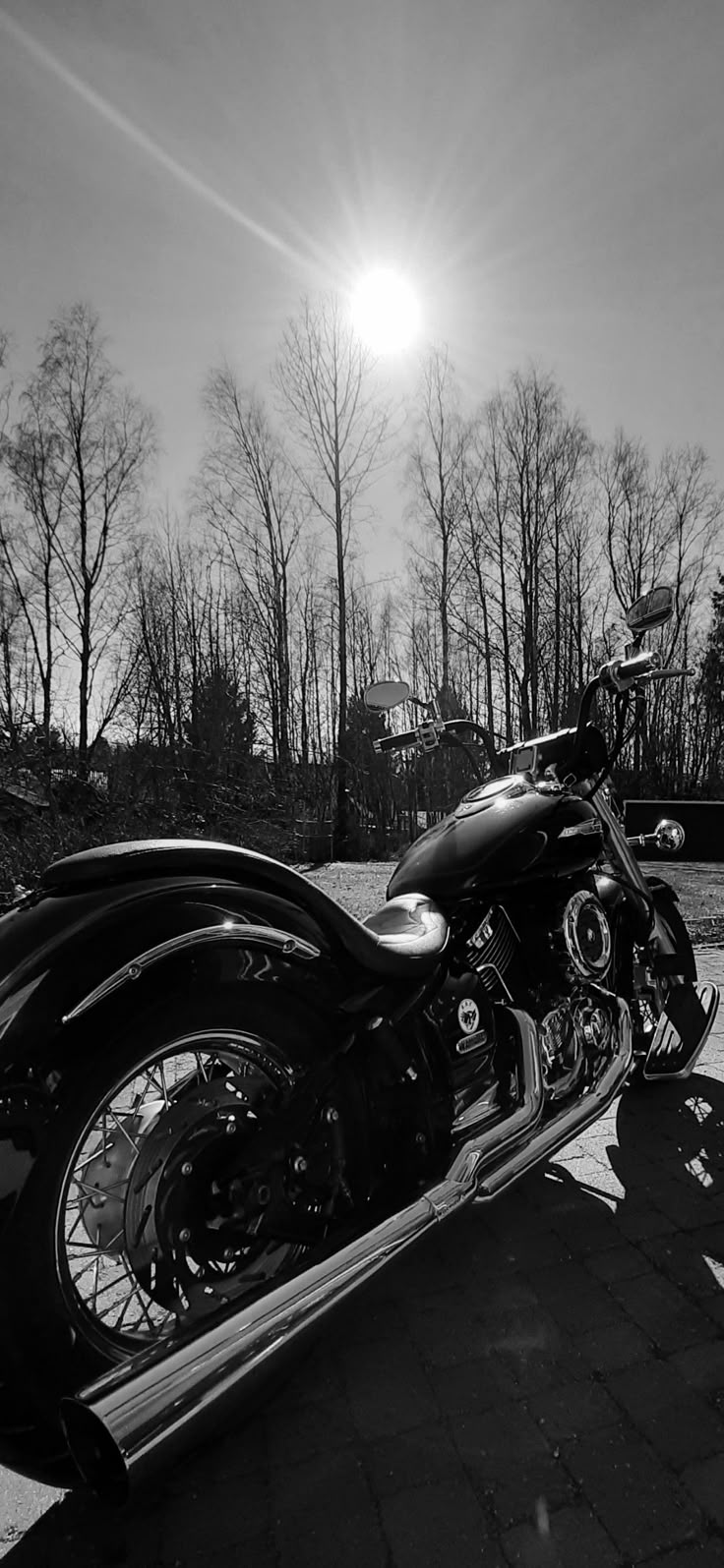
The allure of a Bobby style chopper seat pan isn’t merely about aesthetics—it’s about the raw, unfiltered expression of rebellion that pulses through every curve and contour. This isn’t just a seat; it’s a statement, a rolling manifesto of freedom carved into steel and leather. The fascination with these seat pans transcends mere customization; it’s a nod to the golden era of motorcycle culture when form followed function with a vengeance, and every ride was a defiant act of individuality. But what makes the Bobby style so enduring? Why does it captivate builders and riders alike, turning a simple seat into a centerpiece of mechanical artistry?
The Anatomy of Rebellion: Understanding the Bobby Style Seat Pan
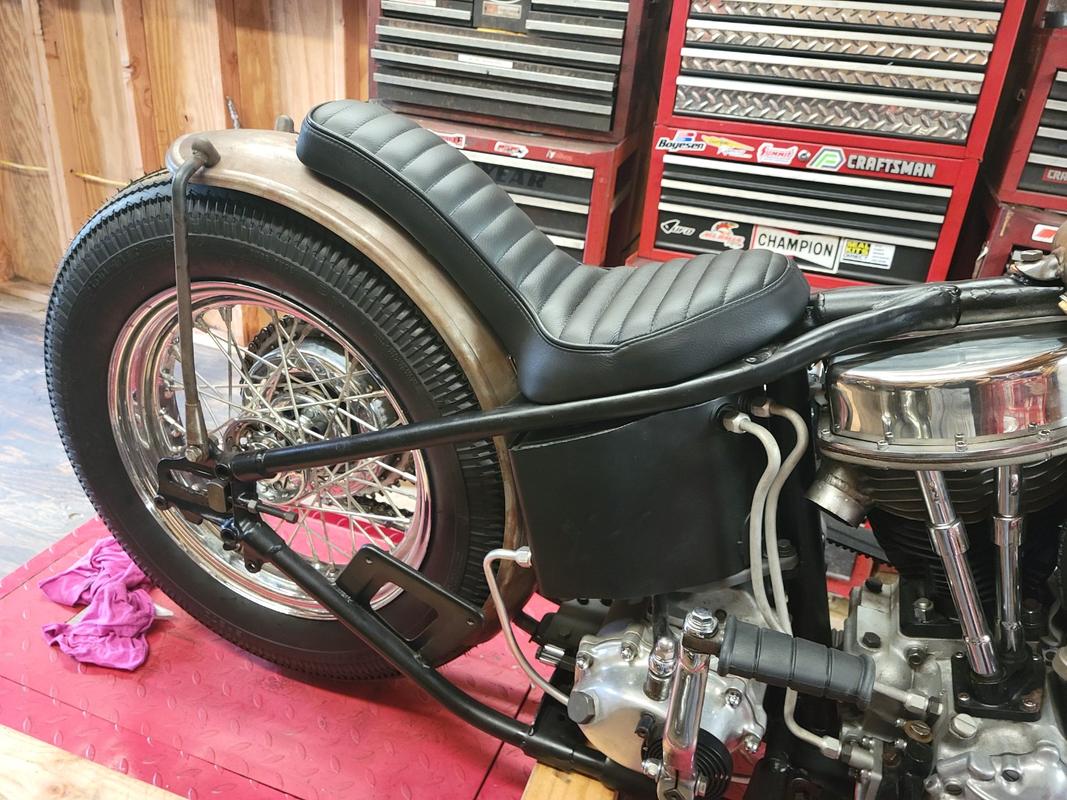
The Bobby style seat pan isn’t just a seat—it’s a sculptural homage to the stripped-down, no-nonsense ethos of early chopper culture. Characterized by its elongated, teardrop silhouette and aggressive forward lean, this design harks back to the days when motorcycles were raw, unpolished, and unapologetically loud. The seat pan’s elongated shape isn’t arbitrary; it’s a deliberate rejection of the plush, ergonomic comforts of modern motorcycles. Instead, it embraces a lean, almost skeletal framework that forces the rider into a forward posture, as if the machine itself is urging them to lean into the wind.
The teardrop design isn’t just for show—it’s a functional masterstroke. The tapered rear end reduces drag, while the extended front section provides ample space for a solo rider’s thighs, ensuring stability at high speeds. This isn’t a seat built for comfort; it’s a seat built for control, for the rider who demands to be one with the machine. The Bobby style seat pan is, in essence, a rebellion against the ergonomic tyranny of mass-produced motorcycles, a return to the days when riding was about raw sensation, not padded luxury.

Materials: The Alchemy of Steel, Leather, and Grit
To build a Bobby style seat pan is to engage in a tactile dialogue with raw materials. The frame isn’t just steel—it’s cold-rolled, aircraft-grade chromoly, bent and welded into submission, its edges sharp enough to draw blood if you’re not careful. This isn’t the kind of metal that bends easily; it’s the kind that holds its shape with the stubbornness of a mule, demanding precision and patience from the builder. The choice of material isn’t just about durability; it’s about attitude. Chromoly doesn’t just hold the seat together—it asserts dominance, a silent challenge to the rider to match its unyielding nature.
Then there’s the leather. Not just any leather, but thick, vegetable-tanned hide, the kind that ages like fine wine, developing a patina that tells the story of every mile ridden. The stitching isn’t decorative—it’s structural, a series of X’s and diamonds that lock the leather to the frame with the tenacity of a blacksmith’s rivet. This isn’t upholstery; it’s armor. The leather’s grain, its scars and wrinkles, become part of the seat’s character, a tactile map of the rider’s journey. And beneath it all, the padding isn’t foam—it’s horsehair, a natural fiber that breathes and conforms, offering just enough give to cushion the rider’s bones without betraying the seat’s inherent rigidity.
The Ritual of Welding: Forging the Seat Pan’s Soul
Welding a Bobby style seat pan isn’t a task—it’s a ritual. The builder must first sketch the teardrop shape onto the steel, a process that demands more than just a steady hand; it requires an almost spiritual connection to the material. The steel isn’t just cut—it’s *coaxed* into shape, bent over a jig with the patience of a monk transcribing a sacred text. Each weld is a deliberate act, a fusion of metal and fire that leaves behind a scar, a testament to the builder’s skill. There’s no room for error here. A misplaced weld isn’t just a flaw—it’s a betrayal of the seat’s purpose, a weak point that could spell disaster at 70 mph.
The art of welding a Bobby style seat pan lies in the balance between strength and subtlety. The frame must be rigid enough to withstand the torque of a V-twin engine, yet the welds themselves should be invisible, swallowed by the metal’s seams. This isn’t about showmanship; it’s about integrity. The welds are the seat’s spine, the invisible threads that hold its soul together. And when the final bead is laid, when the frame is flipped and inspected from every angle, there’s a moment of silence—a builder’s prayer, if you will—before the leather is stretched over the steel like a second skin.
Leatherwork: The Poetry of Stitch and Grain
Stretching leather over a Bobby style seat pan is where the magic happens. It’s not enough to simply wrap the hide around the frame; the leather must be *molded* to its contours, pulled taut until it sings. The builder uses a combination of clamps, tacks, and sheer brute force to coax the leather into submission, ensuring there are no wrinkles, no loose spots. This is where the seat’s personality begins to emerge. A well-done leather job isn’t just smooth—it’s *alive*, the grain catching the light in a way that makes the seat look like it’s breathing.
The stitching is where the builder’s artistry truly shines. Hand-stitched seams aren’t just functional; they’re decorative, a series of geometric patterns that add depth and texture. The stitches must be even, the tension consistent, or the leather will pucker, betraying the builder’s lack of discipline. And the choice of thread isn’t arbitrary—it’s waxed linen, a material that ages gracefully, its fibers tightening over time to create a bond that’s as strong as the steel beneath. The stitching isn’t just holding the leather in place; it’s telling a story, a visual narrative of the seat’s creation.
The Illusion of Simplicity: Why Less is Always More
There’s a paradox at the heart of the Bobby style seat pan: its simplicity is deceptive. On the surface, it’s just a teardrop of steel and leather, a seat that looks like it could have been bolted onto a bike in an afternoon. But beneath that simplicity lies a world of complexity—a symphony of angles, curves, and materials working in perfect harmony. The Bobby style isn’t minimalist in the way that modern design often claims to be; it’s minimalist in the way that a knife is minimalist—a tool stripped down to its essence, honed to a razor’s edge.
This is why the Bobby style endures. In a world where motorcycles are increasingly encased in plastic and carbon fiber, where every surface is smoothed and sanitized, the Bobby style seat pan is a rebuke. It’s a reminder that less can be more, that beauty isn’t found in excess but in precision. It’s a seat that doesn’t just hold a rider—it *commands* them, forcing them to engage with the machine in a way that’s primal, almost feral. There’s no room for distraction here. The rider’s focus must be absolute, their body aligned with the bike’s geometry, their spirit in tune with the road’s vibrations.
The Unspoken Bond: Rider and Seat as One
Perhaps the most fascinating aspect of the Bobby style seat pan isn’t its construction or its materials, but the bond it forges between rider and machine. This isn’t a seat you sink into; it’s a seat you *straddle*, your body molding to its contours like a second skeleton. The forward lean isn’t just a design choice—it’s an invitation to lean into the ride, to become one with the bike’s motion. The rigid frame doesn’t cushion the rider; it transmits the road’s imperfections directly, a constant reminder that this is a machine built for sensation, not comfort.
This is the deeper reason for the Bobby style’s fascination. It’s not just about how the seat looks or even how it feels—it’s about what it represents. It’s a seat for riders who see motorcycles as an extension of themselves, who believe that the road is a place of raw, unfiltered experience. The Bobby style seat pan isn’t just a piece of hardware; it’s a manifesto, a declaration that riding isn’t just a hobby—it’s a way of life. And when the rider fires up the engine, when they feel the vibration of the V-twin through the seat pan’s frame, they aren’t just starting a bike—they’re reviving a tradition, a rebellion that’s as old as the open road itself.
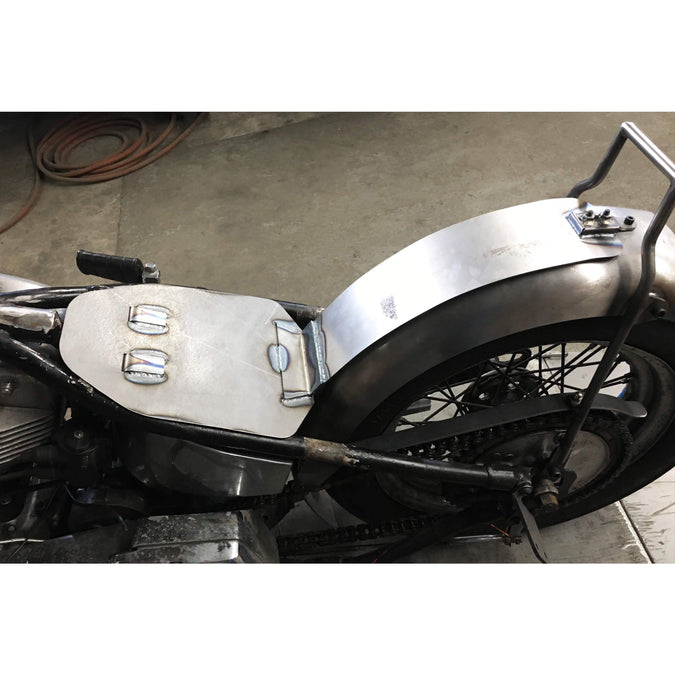
The teardrop silhouette of a Bobby style seat pan isn’t just a visual flourish—it’s a functional masterpiece, a design that balances aerodynamics with rider control.

Welding a Bobby style seat pan is a ritual of fire and steel, where each bead is a deliberate act of creation, fusing form and function into a single, unyielding structure.”>