In the tapestry of motorcycle history, the 1982 Yamaha XJ650 and XJ550 emerge like twin flames—each illuminating a distinct facet of two-wheeled engineering prowess. These models, often overlooked in the shadow of flashier sportbikes, offer a compelling narrative of power married with precision, delivering an unpretentious yet exhilarating experience. Their design encapsulates an era when motorcycles began to strike a new equilibrium—between raw muscle and rider-friendly refinement—casting a spell on enthusiasts who sought more than just speed: a true communion with the machine.
The heart of these Yamahas lies in their soul-stirring inline four-cylinder engines, a symphony of pistons working in concert to generate a pure, unadulterated rush of power. The 1982 XJ650 features a 653cc air-cooled engine that is a masterpiece of mechanical simplicity and effectiveness. Unlike some of its contemporaries that leaned heavily into complex electronics, the XJ650’s engine is an unassuming workhorse, boasting a bore and stroke of 68.5mm by 68.6mm. This near-square configuration yields a balanced blend of torque and high-revving capability, inviting riders to explore the rev range with increasing confidence and control.
Its sibling, the XJ550, embodies a similar spirit scaled down to 550cc, with a bore and stroke measuring 58.0mm by 52.0mm. Despite its smaller displacement, the XJ550 does not shy away from delivering an engaging ride experience. This engine is nimble, quick to respond, and exhibits a playful character that encourages spirited cornering and deft handling.
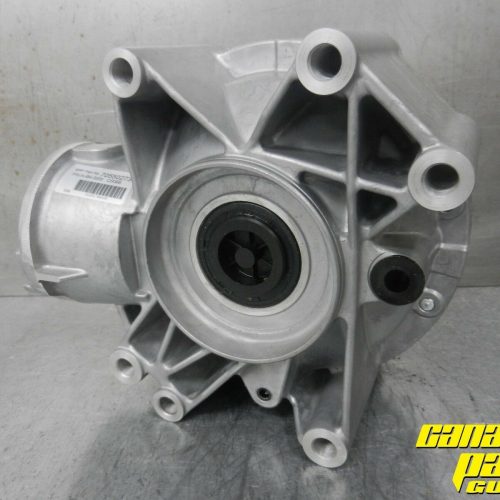
Both models are interlaced with shaft drive—a notable departure from the ubiquitous chain-driven setups prevalent in the period. The shaft drive system acts like the unsung arbiter of smoothness and low-maintenance reliability. It transforms power into motion with a whisper rather than a shout, allowing the mechanical dialogue between rider and machine to remain unbroken by distracting drivetrain chatter or the need for frequent adjustments.
However, numbers and specifications merely scratch the surface. The XJ650 and XJ550’s uniqueness lies in their ride feel—a sensorial experience that transcends mere metrics. Imagine the motorcycle as a living organism, where the throttle response is akin to the pulse quickening under the skin, subtly urging you forward without aggression. The suspension, configured with conventional telescopic forks upfront and dual shocks at the rear, strikes an admirable balance; it is both absorptive and precise, smoothing out urban imperfections while carving through twisty backroads with commendable composure.
The chassis serves as a steadfast backbone, constructed from steel double cradle frames that exude solidity without becoming cumbersome. The resultant handling is intuitive, the kind that encourages riders to lean just a little more, explore trajectories with confidence, and savor the dance between gravity and centrifugal force. Here, the motorcycle ceases to be a mere machine—it becomes an extension of the rider’s will, a partner in adventure.
Stepping into the cockpit reveals a design ethos that embraces functionality with a subtle hint of flair. The seat height, moderate at around 31 inches, welcomes a variety of riders by offering an accessible, grounded connection to the road. The ergonomics favor a natural riding posture—upright but slightly leaning forward—perfectly suited for both city commutes and open road journeys. The instrumentation is straightforward but effective: analog gauges offer clear readings of speed, rpm, fuel, and other essential parameters, channeling a timeless simplicity that encourages focus rather than distraction.
In terms of performance metrics, the XJ650 delivers approximately 63 horsepower at 9,000 rpm, a robust figure that positions it well within the middleweight class of its era. The XJ550, while more modest, offers around 50 horsepower at similar engine speeds. Such figures, while not hyperbolic, translate into a ride experience that is engaging rather than overwhelming. Acceleration is firm and linear, inviting riders to explore cityscapes and open highways with measured enthusiasm rather than sheer velocity. The torque curve is generous enough to provide spirited overtaking capability yet forgiving enough for beginner riders who desire control over chaos.
Fuel efficiency, another vital aspect, paints these models as pragmatic choices during an era that was beginning to reckon with economic and environmental concerns. Both motorcycles showcase commendable fuel consumption, often achieving near 40 miles per gallon, which enhances their appeal for daily use and long-distance touring alike.
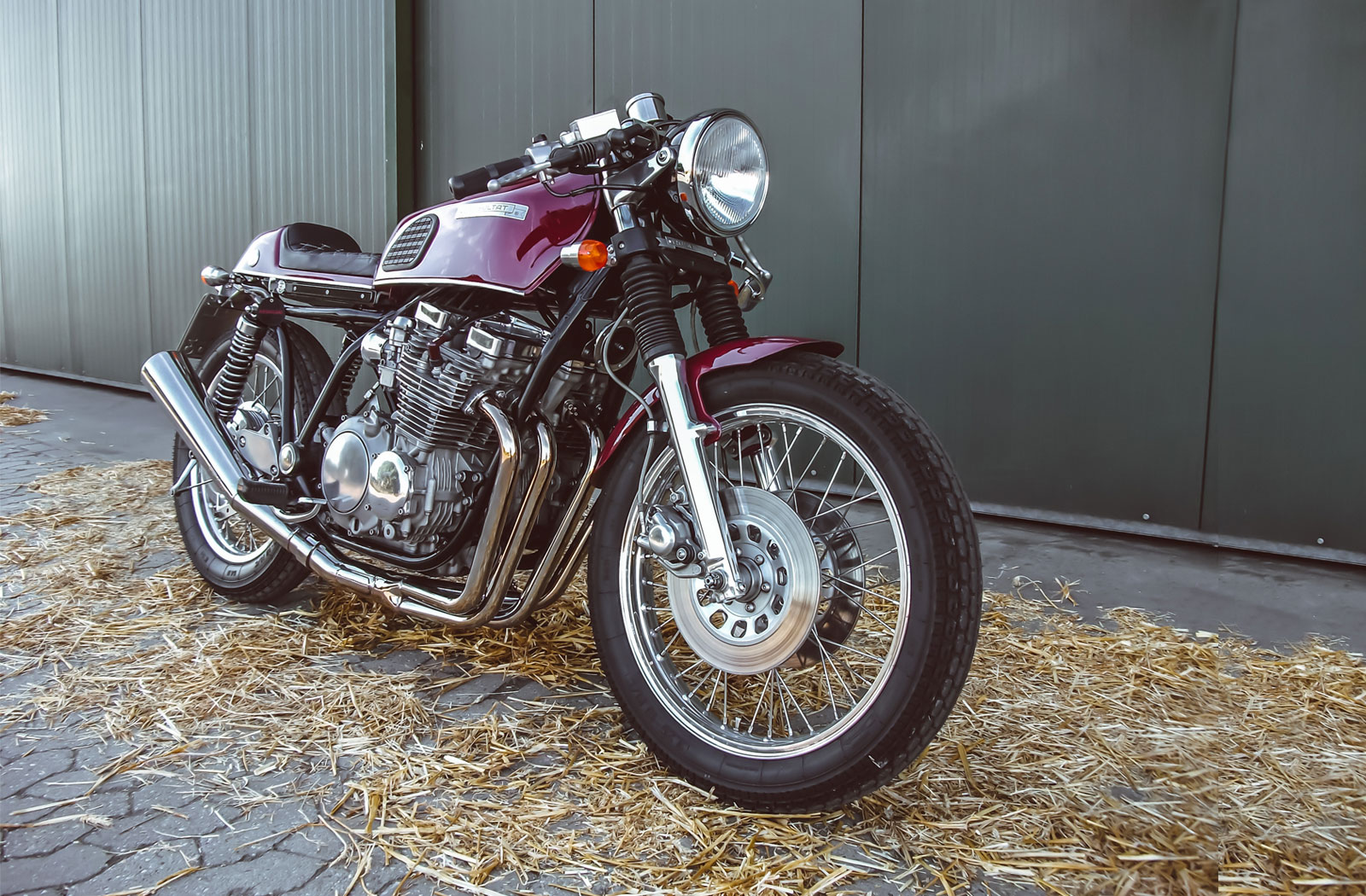
Distinctive styling cues lend the XJ650 and XJ550 a timeless appeal, hovering between the last breaths of classicism and the dawn of modernity. Their tank designs exhibit gentle curves punctuated by sharp lines, embodying a confident yet reserved stature on the road. The dual round headlamps provide a familiar, reassuring visage, while the understated tail sections hint at an emerging penchant for sportier aesthetics without losing the essence of their standard motorcycle heritage.
Braking capabilities, facilitated by dual front disc brakes and a single rear disc, equip these bikes with the stopping power necessary for spirited rides. This setup was relatively advanced during the early 1980s, affording riders peace of mind when traversing demanding landscapes or urban mazes.
Yet, what truly elevates the 1982 Yamaha XJ650 and XJ550 beyond their specifications is their capacity to evoke emotion. They are motorcycles that whisper tales of open roads and fading horizons, of freedom forged on two wheels under an endless sky. They eschew flamboyance in favor of earnestness, delivering an unvarnished connection to mechanics, momentum, and the mercurial dance that only riding can provide.
In the chronicles of motorcycling, these Yamaha models stand as paragons of balanced engineering—machines that do not simply carry the rider but invite them into a partnership. A partnership where every twist of the throttle, every lean into a corner, and every revving sensation resonates with the primal, unspoken joy that lies at the heart of riding.
As the sun sets on an age where motorcycles were often defined by extremes, the 1982 XJ650 and XJ550 remind us that there is profound beauty in equilibrium. They are a testament to a time when power met precision, when functionality entwined with design, and when the thrill of the ride was measured not just in speed but in soul.