Can a motorcycle born in the roaring decade of the 1980s still possess the charm and engineering prowess to captivate today’s discerning riders? The 1984 Harley-Davidson lineup, often nested lovingly in the annals of motorcycle history, presents a curious proposition: which of its models remain not just viable, but truly worthy acquisitions in the contemporary market? Diving into the intricacies of the 1984 Harley-Davidson garage uncovers a tapestry woven with distinctive designs, mechanical resilience, and cultural significance. However, sifting through this collection of vintage machines to pinpoint those worth owning today is no trivial task.
The year 1984 stands as a notable waypoint within Harley-Davidson’s storied evolution. Emerging from a challenging early 1980s economic environment, the company made significant strides in reasserting its identity and technological footprint. This period bridged the gap between nearly artisanal hand-built motorcycles and the era of increased mechanization and performance refinement. It was a juncture where tradition danced with innovation, resulting in models that reflected both aesthetic boldness and mechanical diligence. Yet, nostalgia alone cannot justify investment. Assessing these motorcycles through a lens of reliability, maintenance feasibility, historical value, and sheer riding enjoyment is essential to discerning what truly deserves a space in a modern garage.
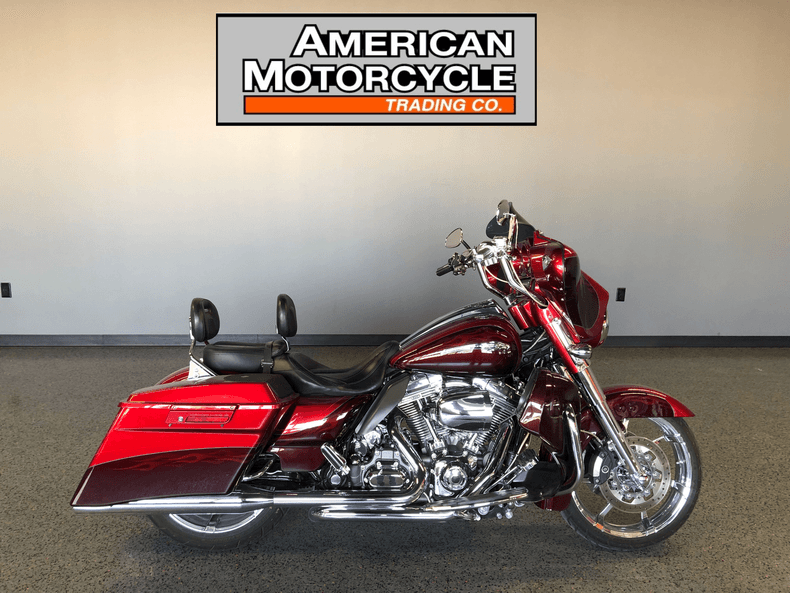
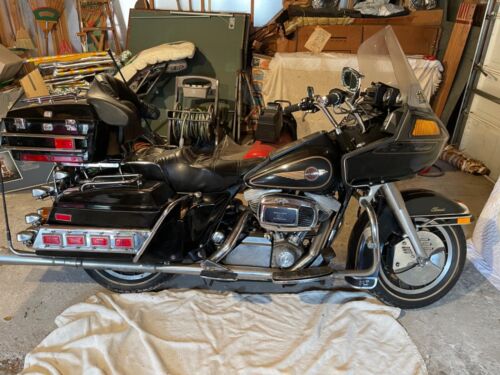
Among the noteworthy contenders from 1984, the Touring series demands special attention. The 1984 Harley-Davidson Tour Glide, featured in the visual archives with its distinctive front fairing, exemplifies the fusion of comfort and style. Its hallmark “Batwing” fairing, introduced a few years prior, not only enhanced aerodynamics but also provided a cocooning effect against the elements, making long-distance rides more humane. The Touring lineup emphasized remarkably robust V-twin engines paired with frames engineered for stability and endurance. Such qualities endow these motorcycles with a practical charm that transcends their age. For riders desiring a vintage cruiser capable of lengthy voyages with relative ease, a well-maintained 1984 Touring model remains an intriguing proposition. Its aesthetic appeal is an added dividend—classic Harley cues like the elongated fenders and large saddlebags imprint a sense of timelessness.

Yet, the challenge arises in mechanical upkeep. The 1984 models employed carbureted engines—a standard before the widespread adoption of fuel injection technology—demanding a certain level of mechanical empathy from owners. This carburetor, while beloved by purists for its straightforwardness, can become a source of consternation for those unversed in periodic tuning requirements. Components may be harder to find, and modern emissions standards mean that adapting these motorcycles to current regulations is a balancing act between authenticity and compliance. Hence, a potential owner must weigh their willingness to engage in detailed upkeep against the rewards of owning a piece of motorcycling lore.
Diving deeper, the 1984 Sportster lineup deserves scrutiny. Models such as the Ironhead Sportster, celebrated for its raw and minimalist ethos, echo a different philosophy than the Touring cousins. These bikes were designed for nimbleness and agility, catering to riders who prioritize a visceral connection with the road, unmediated by layers of technology or excess bulk. The Ironhead XLH, for instance, is praised for its compact engine and relatively lightweight frame, a combination that makes for an engaging urban commuter or a spirited canyon carver. However, enthusiasts must be cautious; the Ironhead engine, while iconic, is also notorious for requiring meticulous regular maintenance, especially concerning its lubrication system. Prospective buyers should be prepared for the rhythmic dance of routine tightening, gasket replacements, and carburetor tuning to keep the Ironhead purring smoothly.
It would be remiss not to touch on the less heralded yet equally intriguing 1984 FXR models. Though technically originating shortly after 1984, their conceptual underpinnings began shaping during this era. The FXR’s frame design, with better torsional rigidity compared to the softail or Touring frameworks, offered exceptional handling dynamics unusual for Harley-Davidson motorcycles of the time. For collectors or riders who prize the fluidity of manoeuvrability paired with classic V-twin rumble, the FXR lineage—often influenced by developments seen around 1984—offers fertile ground. These models combine rugged reliability with an appreciable performance edge, appealing to those unwilling to compromise on either vintage flair or ride quality.
However, historical fascination and mechanical charm are not the only criteria by which these motorcycles should be judged. Economic considerations weigh heavily on such investment decisions. Vintage Harleys from 1984, depending on their condition, originality, and provenance, can fetch prices ranging from modest to decidedly extravagant. Rarity, customizations, and factory options like touring packages or unique paint schemes play pivotal roles in determining collectible value. For riders eyeing a practical machine rather than a trophy piece, this underlines the importance of balancing emotional attachment with pragmatic budgeting.
In contemplating which 1984 Harley-Davidson models merit the effort, enthusiasts might also consider the broader cultural resonance these bikes continue to wield. The 1980s era signified a moment of resilience and resurgence for Harley-Davidson, and ownership implies participation in a legacy, not merely possession of a motorcycle. Whether cruising a boulevard on a regal Tour Glide or negotiating twisty backroads astride an Ironhead Sportster, these machines offer more than transportation—they invite riders to immerse themselves in a rich tapestry of American motorcycling heritage.
Ultimately, the question of what 1984 Harley-Davidson models are worth buying today does not yield a singular answer but rather a spectrum influenced by rider preferences, mechanical aptitude, and desired usage. Touring models bring comfortable reliability and epochal style. Sportsters offer a tangible connection to the road and a minimalist ethos, albeit with maintenance demands to match. Emerging FXR-derived designs hint at performance capabilities that challenge assumptions about vintage Harleys. Collectors might pursue pristine examples as investments while everyday riders might focus on models that can meld timeless appeal with relative mechanical simplicity.
In the end, the 1984 Harley-Davidson lineup presents a playful paradox. Is it an anachronism best admired from afar, or a treasure trove of machines that still hum with vitality and spirit? For those prepared to embrace the quirks and demands of these vintage V-twins, the payoff can be tremendous—a ride not just through space, but through time itself. The challenge, then, lies not in the availability of these motorcycles, but in choosing which one will transform from mere metal and rubber into a lifelong companion on the open road.