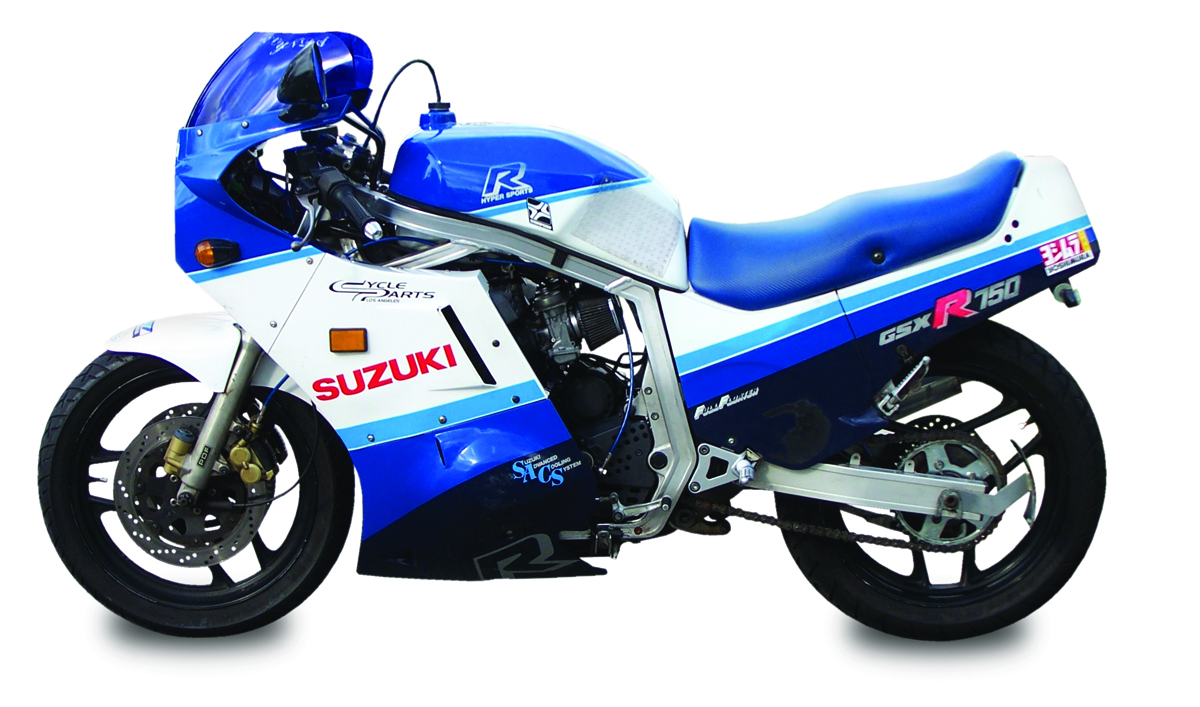
The 1986 Suzuki GSX-R750 stands as a paragon in the pantheon of superbikes—a model whose legacy reverberates even decades after its initial debut. What elevates this motorcycle beyond a mere machine of speed and mechanics is its enduring allure, a fusion of innovation, design, and cultural significance that continues to captivate enthusiasts and collectors alike. Behind the ubiquitous reverence for the GSX-R750 lies a fascinating confluence of technological advancement and a pioneering spirit that redefined motorcycling as it was known in the mid-1980s.
At first glance, the GSX-R750 from 1986 exudes a raw, minimalist aesthetic that sharply contrasts with the more complex and feature-laden motorcycles of today. Its lightweight aluminum frame was revolutionary, predating the widespread adoption of this innovation across the industry. This emphasis on shedding unnecessary weight forged a new performance benchmark, offering riders agility and precision that felt previously unattainable in a production motorcycle. The lightweight chassis was complemented by a liquid-cooled, four-cylinder engine which introduced unprecedented power-to-weight efficiency. This mechanical synergy transformed the riding experience by enhancing acceleration and cornering prowess—a tune-up for the heart and senses as much as the machine itself.
The cultural context during which the GSX-R750 emerged cannot be overlooked. The mid-80s was a transitional era in motorcycling, haunted by the ghosts of heavier, less responsive bikes that dominated the previous decade. Suzuki’s daring gamble on the GSX-R750 was a vivid counterpoint, a manifesto that declared performance and rider engagement as paramount priorities. This cultural shift not only boosted Suzuki’s standing but also galvanized a new generation of riders who sought machines that felt alive, inviting a kinship between man and metal. This remarkable bond transcended mere transportation; it became about expression, a symbol of freedom, and a testament to engineering ambition.

Yet, the fascination with the 1986 GSX-R750 extends beyond technical attributes or its timely appearance in a changing landscape. There is an almost ineffable quality—a mystique—that enshrines this model in biker folklore. The motorcycle possesses a raw authenticity, a sense of purpose and identity that modern riders often seek but rarely find. Part of this lies in its simplicity: every component feels deliberate, every sound and vibration contributing to a symphony that resonates with the visceral experience of riding. The GSX-R750 demands attention, not just through its performance statistics but through its undeniable character.
An essential layer of this legend is its influence on motorcycle design and engineering philosophies that followed. The 1986 GSX-R750 can be considered a blueprint for the modern sportbike. Its integrated design approach—melding frame, engine, and suspension into a harmonious whole—ushered in an era where balancing power, weight, and handling became the gold standard. Subsequent models from various manufacturers drew inspiration from Suzuki’s groundbreaking achievements, but few have matched the elegance and effectiveness of this original configuration. Years later, the GSX-R750 serves as an archival reference point, a touchstone to an era of bold experimentation that forged the future of superbikes.
The aesthetic design encapsulates a blend of form and function so perfectly that it appears timeless. Unlike more flamboyant contemporaries, the 1986 GSX-R750 chose subtlety and aerodynamic efficiency, offering clean lines and a purposeful stance. Its streamlined fairing was not merely a visual statement but enhanced performance by reducing drag and improving high-speed stability. This pragmatic elegance appeals to purists who value motorcycles that balance beauty with utility. As a result, the GSX-R750 continues to receive adulation from collectors who appreciate that the bike’s design remains compelling in both vintage motorcycle shows and in the eyes of the next generation of riders.
What is remarkable is how the bike’s reputation has been nurtured by the passionate fraternity of Suzuki owners and motorsport enthusiasts, whose reverence elevates the GSX-R750 beyond nostalgia into living legend. Stories of the bike’s resilience on tracks, its adaptability to modification, and its reliability in diverse environments contribute to a mythology as robust as the machine itself. The 1986 Suzuki GSX-R750 thrives on this rich tapestry of history and community, binding past and present through shared enthusiasm.
Moreover, the bike’s rarity today only adds to its mystique. As surviving models become scarcer, each one tells a unique story—the patina of use, the subtle wear of well-earned miles, and perhaps even the marks of hard-fought races or road journeys. These marks enhance the emotional connection between rider and machine, transforming ownership into a stewardship of legacy. The allure is as much about preservation and reverence as it is about performance, a silent nod to the pioneering spirit embedded in every component.
In summation, the 1986 Suzuki GSX-R750 is much more than a piece of motorcycling history; it is a living legend, a relic of innovation that continues to inspire and challenge. Its enduring fascination can be traced to the perfect storm of engineering foresight, cultural timing, and an intangible character that few motorcycles have managed to capture. Even as technology advances and new superbikes push the envelope of speed and electronics, the GSX-R750 reminds us that true greatness comes from a harmonious balance of performance, design, and soul. Its legacy endures—not merely in garages and museums but in the collective imagination of riders who see in this iconic machine a timeless connection to the very essence of two-wheeled freedom.