Have you ever wondered what it feels like to ride a motorcycle that perfectly straddles the fine line between timeless design and raw, unfiltered performance? Enter the 1989 Honda Hawk GT 650, a cult classic that somehow slipped under the radar, yet continues to captivate enthusiasts and collectors alike. This unassuming motorcycle, with its blend of retro charm and modern engineering for the late ’80s, offers a fascinating case study in how certain machines transcend mere transportation. But what exactly makes the 1989 Hawk GT 650 a beacon for those in the know, and why did it remain such an enigmatic presence in the pantheon of sport bikes?
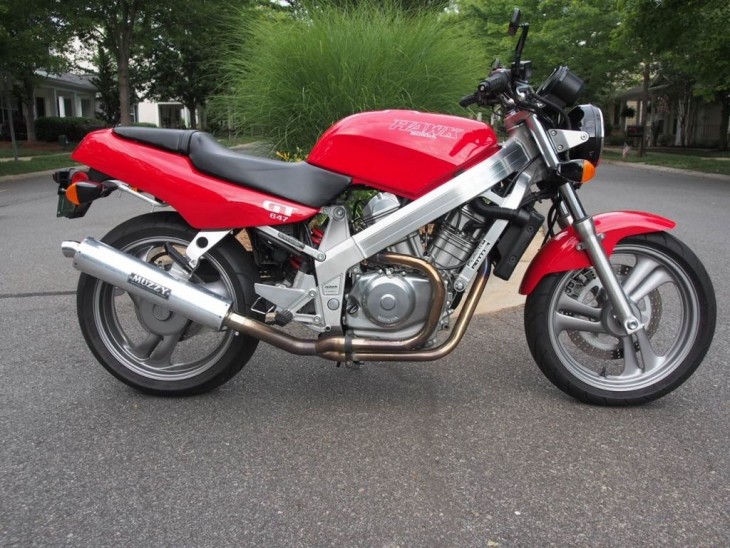
The first thing to grasp is the visual allure of the 1989 Honda Hawk GT. Its angular yet streamlined silhouette is punctuated by subtle design cues that boast more personality than many contemporaries. While many sportbikes of that era leaned heavily into aggressive, race-inspired aesthetics, the Hawk GT opted for a more playful, almost quirky charm—a testament to Honda’s ingenuity and willingness to carve its own niche. The compact frame, short wheelbase, and distinctive “Hawk” name emblazoned on the tank speak to a bike built for agility and rider engagement rather than mere straight-line speed. Its red, black, and silver colorways evoke a sense of retro nostalgia that still resonates strongly within the sportbike community.
What truly sets the Hawk GT apart is its heart: a 647cc V-twin engine that delivers a unique character unlike the inline-fours dominating the market during the late ’80s. This 52-horsepower powerplant blends spirited performance with an intoxicating soundtrack—a rumble that sings more of tactile engagement than overwhelming horsepower figures. The engine’s liquid-cooled design was advanced for its time, and its torque curve provided approachable, usable power. It wasn’t designed to slay superbikes on the racetrack but to provide a rewarding experience for the everyday rider who valued versatility and fun over blistering speed.
But here’s a playful question that invites a deeper challenge: could the 1989 Honda Hawk GT 650 be the ultimate antidote to today’s overwhelming obsession with outright performance? Where modern motorcycles focus relentlessly on lap times, electronic rider aids, and aerodynamics, the Hawk GT presents an intriguing counterpoint. Its mechanical simplicity allows an unmediated connection between rider and machine. No traction control, no riding modes—just the raw, tactile joy of riding a motorcycle made in an era where instincts mattered as much as specs. For some purists, this makes the Hawk GT a modern-day unicorn, an accessible blast from the past that defies the complexity of contemporary machines.
The frame and suspension arrangements further underscore this philosophy. Featuring a steel perimeter frame and conventional telescopic forks up front paired with twin shock absorbers at the rear, the suspension setup was more than adequate for the bike’s intended use: spirited street riding and nimble performance within urban environments. It exudes a sense of rugged durability rather than race track precision, ensuring that the Hawk GT remains confident and predictable. The modest 17-inch wheels and tire sizes amplify agility and allow for crisp handling — an attribute that seasoned riders appreciate when weaving through congested city streets or carving backroads.
Yet, despite these charms, the 1989 Honda Hawk GT was something of an enigma in Honda’s lineup and the larger market. It didn’t bask in the glory of massive marketing campaigns or motorsport affiliations, which contributed to its cult status rather than mass appeal. The design was targeted at riders who wanted something different—something that didn’t fit the archetype of a sportbike or a cruiser but inhabited its own distinct space. This identity crisis meant that fewer units were sold compared to more conventional models, but in hindsight, it cemented the Hawk GT as a coveted gem hiding in plain sight, appreciated primarily by those with an eye for originality and a penchant for character.
Moreover, the user experience with the Hawk GT was quietly special. The upright seating position was comfortable for everyday use yet leaned ever so slightly toward sportiness, encouraging riders to engage with the motorcycle rather than simply commute. The narrow profile allowed effortless lane splitting—a skill vital for urban riders—and the low seat height made it approachable for a wide range of body types. This versatility contributed to the bike’s appeal among diverse riders, from beginners to seasoned motorcyclists seeking a lightweight, manageable alternative to heavier, more demanding machines.
Maintenance and reliability, often underrated factors, are also noteworthy. The 1989 model retained Honda’s reputation for bulletproof engineering. With straightforward mechanical components and easily accessible engine internals, the Hawk GT has aged gracefully in terms of upkeep. Enthusiasts appreciate that it can be maintained without the specialized tools or diagnostic equipment typical of today’s motorcycles, and this keeps ownership both practical and enjoyable for those who prefer a hands-on relationship with their bike.
However, one cannot discuss the 1989 Honda Hawk GT without acknowledging its unique place within motorcycle culture. It has transitioned from overlooked oddity to collector’s treasure—often featured in niche forums, vintage motorcycle rides, and enthusiast meet-ups. The Hawk’s cult status influences not only preservation efforts but also inspires custom modifications. Builders are drawn to its simple yet iconic design, producing everything from mild café racer conversions to more radical custom interpretations. This vibrant aftermarket enthusiasm further breathes life into the legacy of the Hawk GT, ensuring it remains far more than just a relic.
In retrospect, the 1989 Honda Hawk GT 650 challenges contemporary riders and collectors alike to reconsider what a sportbike can be. It’s not about who can produce the highest horsepower or the fastest acceleration, but about a relationship—a connection to a machine that values personality over performance metrics. It invites you to slow down, smile, and appreciate the nuances of a motorcycle that has earned its stripes through authenticity and approachable design.
So the next time you find yourself yearning for a ride that’s more than just a means to an end, ask yourself: have you truly experienced the nuanced charm of the 1989 Honda Hawk GT 650? Perhaps it’s time to rediscover the cult classic you missed—the bike that proves sometimes, the road less traveled is where the greatest stories unfold.