There’s something undeniably magnetic about a motorcycle that doesn’t just roar down the road but also carries the weight of history, honor, and personal sacrifice. It’s not merely steel and chrome—it’s a rolling monument, a tribute etched in every curve and line. For decades, organizations like the Outlaw Chopper Club (OCC) have harnessed this power, transforming motorcycles into moving memorials that pay homage to those who served, those who fell, and those who continue to stand watch. These bikes are more than machines; they are stories on two wheels, each one a testament to the enduring bond between riders and the military.
The Genesis of Military Tribute Bikes: Where Passion Meets Purpose
The tradition of military tribute bikes didn’t emerge from a vacuum. It grew from the fertile soil of post-war camaraderie, where veterans sought ways to keep their brotherhood alive long after the battlefield dust settled. The Outlaw Chopper Club, with its rebellious spirit and unyielding loyalty, became a natural vessel for this sentiment. Early iterations of these bikes were raw, unpolished—just like the emotions they aimed to convey. Riders didn’t just build motorcycles; they forged relics of remembrance, welding memories into the frame itself.
What began as a niche subculture soon blossomed into a widespread phenomenon. The first tribute bikes were often personalized masterpieces, adorned with patches, emblems, and custom paint jobs that mirrored the insignia of military units. But their significance ran deeper than aesthetics. These machines became mobile shrines, carrying the names of fallen comrades, unit insignias, and patriotic symbols across highways and byways. The roar of their engines wasn’t just sound—it was a defiant anthem, a declaration that the spirit of service never truly fades.
Design Elements That Speak Volumes: The Language of Tribute
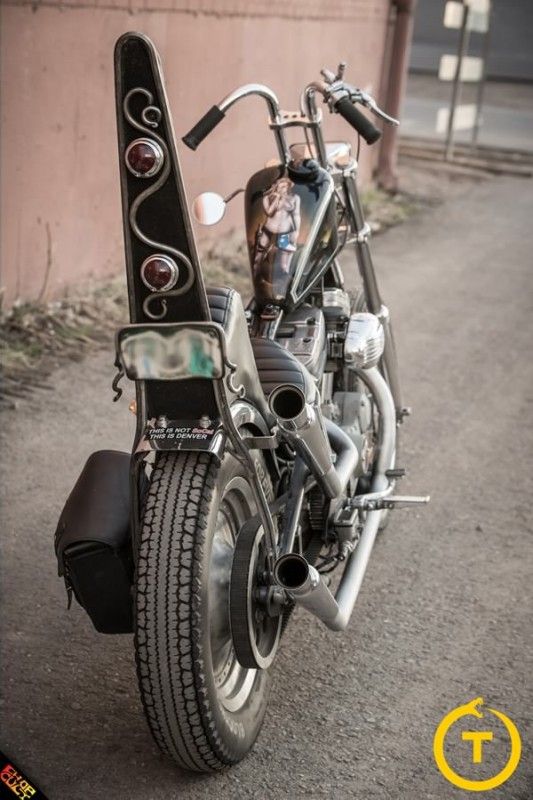
A military tribute bike is a visual symphony, each component carefully chosen to resonate with meaning. The gas tank, often the centerpiece, is frequently emblazoned with unit patches, dog tags, or the names of those who never made it home. Some builders go further, incorporating actual military hardware—dog tags, insignia, or even fragments of decommissioned aircraft—into the tank’s design, embedding history into the machine’s very soul.
The exhaust system is another critical element. Many tribute bikes feature exhausts that mimic the shape of rifles or artillery barrels, a subtle nod to the tools of war. Others opt for a more understated approach, using muted tones like olive drab or desert tan to evoke military vehicles. The seat might be stitched with the words “Never Forgotten” or the unit motto, while the handlebars could be wrapped in paracord, a material synonymous with survival gear. Even the tires are chosen with purpose—often blackwall or whitewall to mimic the look of military motorcycles from eras gone by.
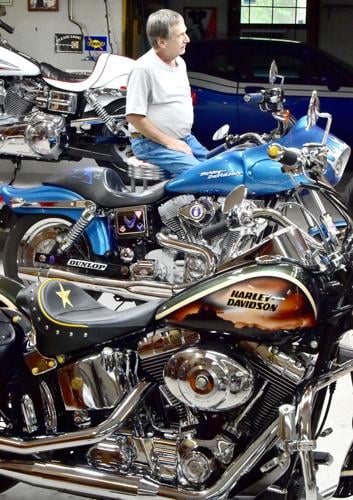
But perhaps the most poignant design choice is the custom paint. Many tribute bikes feature murals depicting battle scenes, unit insignias, or the faces of fallen heroes. Some artists take it a step further, using phosphorescent paint that glows under UV light, symbolizing the enduring legacy of those who served. These bikes aren’t just ridden—they’re revered, their designs a living canvas of gratitude and remembrance.

One cannot ignore the symbolism of color in these designs. The use of black and gold often represents honor and valor, while red, white, and blue evoke the American flag. Some builders incorporate military green or tan to pay homage to the uniforms of service members. Even the chrome accents serve a purpose—they reflect the light of memory, ensuring that the tribute never dims.
The Rituals and Rides: When Metal Meets Memory
Military tribute bikes aren’t meant to gather dust in garages. They are built to be ridden, to be seen, and to be celebrated. The most iconic of these rides is the Rolling Thunder Run, an annual event where thousands of motorcyclists converge on Washington, D.C., to honor prisoners of war and those missing in action. The sound of 50,000 bikes thundering down the highway is a thunderous roll call, a reminder that the debt of gratitude can never be repaid—but it can be remembered.
Beyond the grand events, tribute bikes are often featured in local memorial rides, where riders traverse highways and backroads to visit veterans’ cemeteries, memorials, and hospitals. These rides are more than processions—they are pilgrimages, each stop a moment of silence, each mile a testament to endurance. Some riders even incorporate GPS trackers into their bikes, allowing loved ones to follow their journey in real time, ensuring that no one is ever truly alone in their remembrance.
The act of riding a tribute bike is itself a form of therapy. For veterans, it’s a way to reconnect with the brotherhood of service. For civilians, it’s a bridge to understanding the sacrifices made on their behalf. The wind in the face, the vibration of the engine, the sense of motion—all of these become part of the tribute, a physical manifestation of the emotional journey.
The Psychology Behind the Fascination: Why These Bikes Resonate
There’s a curious phenomenon at play here—why do these bikes captivate us so deeply? Part of it is the aesthetic of power. A motorcycle is, by nature, a symbol of freedom and rebellion. When that freedom is harnessed for remembrance, it becomes something even more potent. The bike’s raw energy is channeled into something noble, transforming its roar from a challenge into a chorus of respect.
But there’s another layer, one that delves into the human psyche. Military tribute bikes tap into our innate need for symbolic immortality. By creating something tangible—a bike that carries the weight of history—we ensure that the stories of those we honor never fade. The bike becomes a proxy for presence, a way to keep the memory alive long after the last veteran has passed.
There’s also the element of shared identity. When a rider straps on a helmet and fires up a tribute bike, they’re not just operating a machine—they’re joining a lineage. They become part of a tradition that stretches back decades, a brotherhood that transcends time. The bike itself becomes a sacred object, a relic that connects the rider to something greater than themselves.
And let’s not forget the catharsis. For many, building or riding a tribute bike is a way to process grief, guilt, or unresolved emotions. The act of creation—welding, painting, assembling—becomes a form of therapy, a way to externalize the internal turmoil of loss. The bike, in turn, becomes a vessel for healing, a physical manifestation of the rider’s journey from sorrow to solace.
The Future of Tribute Bikes: Evolving Traditions in a Changing World
The tradition of military tribute bikes is not static. It evolves with each generation, adapting to new technologies and cultural shifts. Today, some builders are incorporating augmented reality (AR) features into their designs, allowing spectators to scan the bike with a smartphone and hear the stories behind its symbols. Others are using 3D-printed components to recreate rare military parts, ensuring that even the most obscure units are represented with authenticity.
There’s also a growing movement to include female veterans in tribute bike designs, a long-overdue acknowledgment of the women who served alongside their male counterparts. These bikes often feature symbols of resilience, such as the Women’s Army Corps insignia or the nurse’s caduceus, ensuring that the narrative of service is inclusive and comprehensive.
As electric motorcycles gain popularity, some builders are experimenting with silent tribute bikes, using the absence of engine noise to symbolize the quiet dignity of remembrance. These bikes are often equipped with solar-powered LED displays that project names and messages onto the road, turning the act of riding into a moving light show of gratitude.
Yet, for all the innovation, the core essence of tribute bikes remains unchanged. They are still built with blood, sweat, and tears—metaphorically speaking. They are still ridden with pride and reverence. And they will continue to roar down highways, carrying the memories of the past into the future, one mile at a time.