The 1991–1992 Honda Nighthawk 750 stands as an enduring symbol of reliability and practicality in the world of street motorcycles. Renowned for its balance of power, ease of maintenance, and timeless styling, this model has garnered a loyal following among riders who appreciate a dependable machine that excels in everyday use. It is not just a motorcycle; it is a legend on the asphalt, blending classic engineering with tangible performance that suits a variety of riding styles and environments.
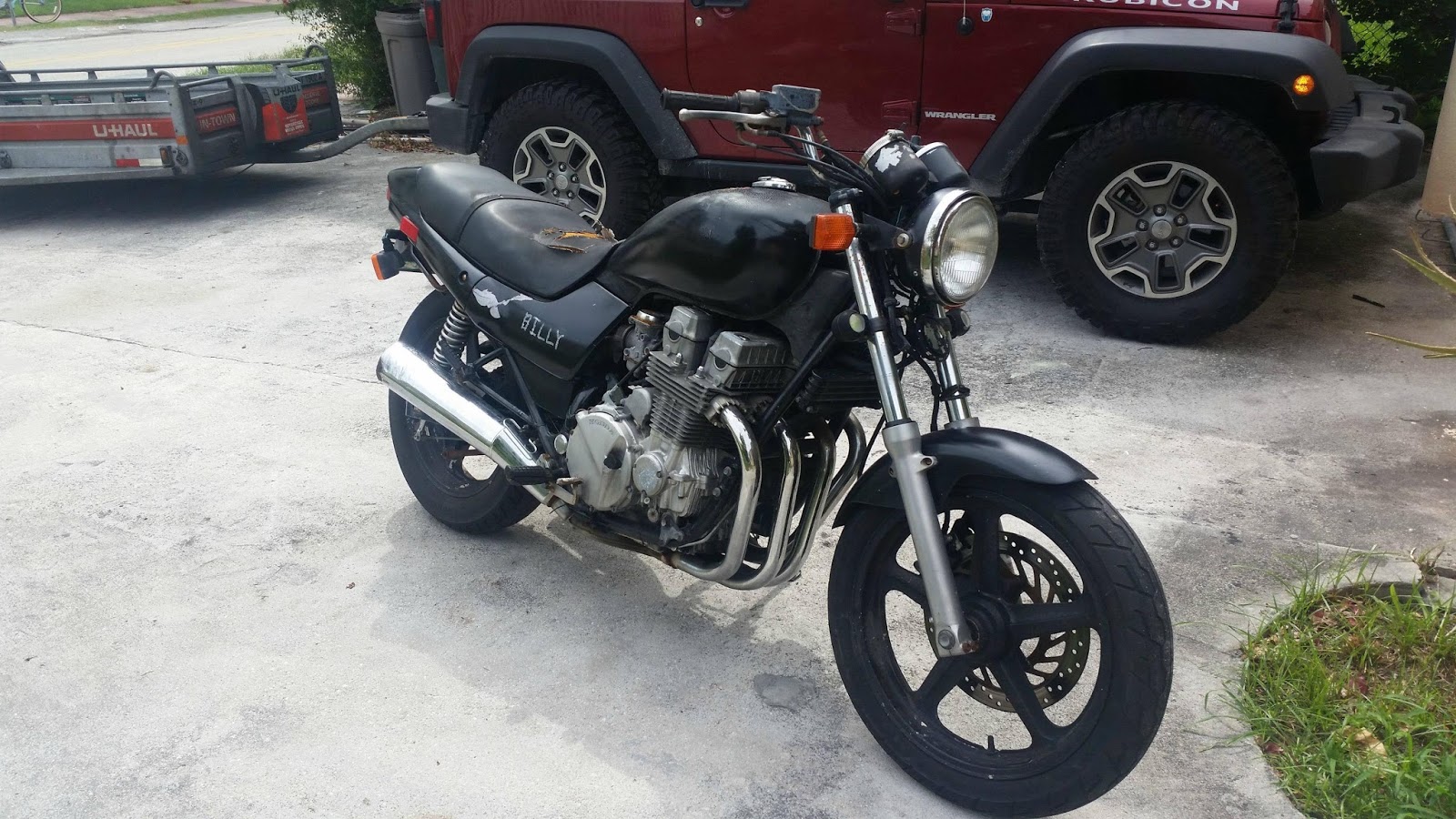
At the heart of the Nighthawk 750 is its robust inline four-cylinder engine, a 749cc powerhouse designed to deliver smooth and responsive acceleration. The air-cooled DOHC design ensures that the engine remains relatively simple while providing ample torque across a broad RPM range. This characteristic makes it ideal for both spirited urban commutes and relaxed weekend tours. The engine’s predictable power delivery encourages confidence, making the bike accessible to both novice riders and seasoned motorcyclists alike.
The frame and chassis architecture underscore Honda’s commitment to creating a motorcycle that balances agility with stability. Constructed with a sturdy steel double-cradle frame, the Nighthawk 750 maintains a lightweight profile while ensuring rigidity and durability. Suspension travel is handled by conventional telescopic forks at the front paired with dual shock absorbers at the rear. This setup excels in absorbing the imperfections of city streets and country roads, offering a riding experience that is both composed and comfortable.
Design-wise, the 1991–1992 Nighthawk 750 exhibits a minimalist aesthetic that harkens back to classic streetbikes. Its clean lines and unpretentious silhouette appeal to those who prefer understated elegance over flashy extravagance. The instrumentation panel is straightforward, featuring a large analog speedometer alongside a tachometer and essential indicator lights—elements that contribute to the bike’s reputation for user-friendly practicality. Additionally, the upright seating position promotes excellent visibility and rider comfort, reducing fatigue during extended rides.
Beyond the mechanical attributes and design, the Nighthawk 750’s maintenance profile significantly contributes to its legendary status. Unlike more complex contemporaries that demand meticulous upkeep, this model is celebrated for its straightforward mechanical layout. Parts are widely available, and many owners find working on their Nighthawk to be an enjoyable, hands-on experience rather than a chore. This ease of serviceability ensures that owners can maintain peak performance without relying heavily on professional workshops, potentially reducing the total cost of ownership.
The versatility of the 1991–1992 Honda Nighthawk 750 cannot be overstated. It is a motorcycle that seamlessly adapts to a wide spectrum of roles, from daily urban transportation to spirited canyon carving and even light touring with the addition of accessories. Its balanced power and nimble handling make it suitable for congested cityscapes, while its comfortable ergonomics invite longer excursions. Riders appreciate that this motorcycle does not confine them to any single niche but rather accommodates a holistic riding lifestyle.
One notable characteristic that elevates the Nighthawk 750 beyond mere functionality is its visual appeal. Although understated, it carries a timeless charm that collectors and vintage enthusiasts admire. The glossy, solid-colored paintwork paired with chrome accents and a classic round headlamp exude a retro charisma. This aesthetic sensibility, coupled with Honda’s engineering prowess, contributes to the bike’s enduring desirability on the used market. For many, owning a Nighthawk 750 represents a union of nostalgic appeal and practical reliability.
Safety and handling dynamics further enhance the Nighthawk 750’s reputation as a versatile street machine. The bike employs dual disc brakes upfront paired with a drum brake at the rear, an advanced braking setup for its time, delivering confident stopping power. Its balanced weight distribution and predictable handling characteristics allow riders to navigate tight corners and stop abruptly without unsettling the chassis. This control fosters a sense of trust between rider and machine—an essential factor when traversing unpredictable traffic conditions.
The aftermarket community surrounding the Nighthawk 750 is robust, offering a myriad of customization options tailored to individual tastes and needs. Owners frequently upgrade exhaust systems to improve acoustics and performance, replace seats for enhanced ergonomics, or install luggage racks and windscreens for touring functionality. This adaptability extends the motorcycle’s utility and reflects the active engagement of its user base. It is a canvas for personalization without sacrificing the intrinsic qualities that establish its core identity.
Culturally, the 1991–1992 Honda Nighthawk 750 represents a period in motorcycling history where motorcycles transitioned toward more universal appeal—blurring distinctions between performance, comfort, and practicality. It emerged at a time when riders wanted machines that could perform admirably on diverse roads yet demanded less specialization and more durability. The Nighthawk 750 answered these needs with aplomb, creating a lasting niche that many contemporary motorcycles aspire to replicate.
In summation, the 1991–1992 Honda Nighthawk 750 illustrates a confluence of engineering wisdom, pragmatic design, and cultural resonance that few motorcycles can match. It serves as a reliable street legend, embodying the essence of what a dependable motorcycle should be: accessible, versatile, and enduring. Whether approached as a daily rider, a restoration project, or a collectible classic, the Nighthawk 750 holds a distinguished place within the pantheon of street motorcycles and continues to captivate enthusiasts who value mechanical honesty and timeless functionality.