In the grand tapestry of cycling history, the late 1980s and early 1990s stand as a pivotal chapter, a veritable crucible where innovation met adventure to create machines that still captivate enthusiasts today. These mountain bikes, once considered mere tools for rugged trail conquering, are now soaring in value like rare artifacts unearthed from a forgotten era. Their allure is not simply a matter of nostalgia but rather a multifaceted fascination—a perfect storm of craftsmanship, cultural symbolism, and an almost tangible spirit of exploration.
Picture these bikes as time capsules, forged in an era when mountain biking was not yet a mainstream pastime but an exhilarating countercultural odyssey. Back then, each frame was a bespoke exclamation of engineering precision, blending rugged durability with an almost poetic design philosophy. Unlike the sleek, digitally engineered bikes of today, these models balance raw mechanical ingenuity with an artisanal touch. Their frames, often composed of steel or early generations of aluminum, bear the signature dents and decals that tell stories of countless off-road escapades and technical trials.
The intrinsic value surge these bikes are experiencing can be likened to the awakening of a long-slumbering giant. Collectors and aficionados recognize them as relics of a golden age—a time when mountain biking was not commodified but carved out one rocky trail at a time by passionate pioneers. Their appeal is intricately tied to their authenticity. Each bike embodies the pioneering spirit of mountain biking’s infancy. Components such as Revoshift shifters, cantilever brakes, and rigid forks conjure an atmosphere of raw, unfettered adventure that many modern bikes cannot replicate.
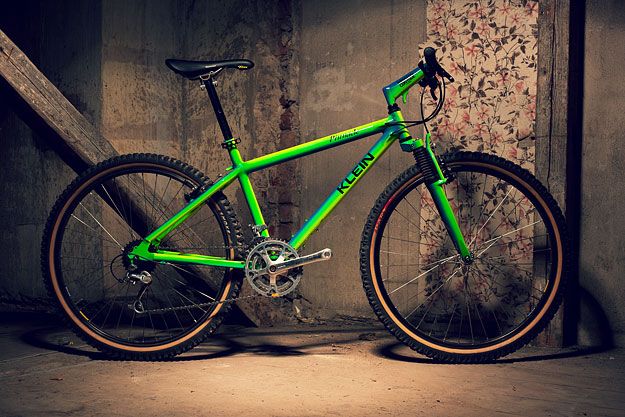
Moreover, these bikes hold a unique aesthetic appeal, a kind of analog elegance that blends form with function. The color schemes are often bold and unapologetically vibrant, evoking a sense of daring that defined the era’s broader cultural landscape. While modern bikes favor muted palettes and stealthy silhouettes, these late 80s and early 90s machines flash with neon hues, geometric decals, and distinctive typography that turn heads wherever they roll. Their bright paint jobs and angular designs capture the zeitgeist of a world embracing freedom and pushing its boundaries.
In the ecosystem of vintage cycling, these mountain bikes occupy a rarefied niche. Unlike road bike classics that often get overshadowed by racing pedigree, these off-road steeds represent a raw connection to grassroots performance and rugged individualism. They were crafted to withstand the unpredictable; jagged rocks, steep descents, and dense forests. This utilitarian toughness manifests as a badge of honor in today’s collectors’ circles. Restoring and maintaining them is more than preservation—it is a reenactment of a nearly primal relationship between rider and machine.
Just as vinyl records have come to symbolize a tactile rebellion against the intangible nature of digital music, these vintage bikes serve as tangible anchors to a bygone era of outdoor adventure and mechanical simplicity. The clatter of exposed chains, the tactile feedback from steel frames, and the unmistakable creak of well-oiled components invite a more intimate and visceral relationship with cycling. This haptic nostalgia enchants not only the seasoned rider who remembers those days but also a younger generation yearning to connect with tangible history in a hyper-digital world.
The meteoric rise in value also reflects broader economic and cultural phenomena. As urban areas burgeon and outdoor recreation enjoys a renaissance, there is a growing premium placed on authenticity and craftsmanship. Modern bicycles, while technologically exceptional, often lack this soul-infused narrative that vintage mountain bikes carry. Economically, scarcity drives demand: many of these bikes have survived decades in various states of preservation or decay, and pristine examples have become profoundly rare. This scarcity, combined with a surge in interest from global collectors and cycling historians, has turned these once-humble trail companions into coveted treasures.
Another layer to their charm lies in the story of the brands and individuals behind these bikes. The late 80s and early 90s were rife with small batch manufacturers and visionary designers who dared to challenge the norm. Their creations often blended European craftsmanship with American ruggedness, showcasing a polyglot of design philosophies that now stand as hallmarks of an innovative turning point. Enthusiasts often form emotional attachments not only to the machines but also to the ethos and legacy embedded within each welded joint and chromed cable.
Furthermore, the technical characteristics of these vintage mountain bikes offer a window into the evolutionary arc of cycling technology. The shift from rigid forks to suspension systems, the move from simple indexed gearing to complex drivetrains, and the gradual adoption of higher-quality materials reflect not only mechanical progress but a changing cultural relationship with adventure and risk. Collecting and riding these bikes is akin to graduating through chapters of a dynamic innovation narrative, embodied in steel, rubber, and grease.
In the tactile feedback of a Brooks leather saddle, the resistant hum of knobbly tires gripping dirt, and the satisfying clank of traditional derailleurs lies an experience increasingly lost in a world of carbon composites and electric assistance. These machines challenge the rider not with overwhelming technology but by demanding skill and respect—a nod to the past’s rugged individualism. Such demand lends them a timeless quality that transcends mere retro fad or investment asset, positioning them as functional art pieces with a soul.
In conclusion, these mountain bikes from the late 80s and early 90s are not merely vintage vehicles; they are cultural icons resurrected from the shadows of obscurity. Their skyrocketing value mirrors a collective yearning for authenticity, adventure, and mechanical artistry. They represent an era when mountain biking was not just a sport, but a bold statement of ethos and identity, encapsulated in every weld and every weathered decal. For collectors and riders alike, these bikes offer a rare and thrilling opportunity—to own, to appreciate, and to relive the genesis of a movement that continues to inspire and invigorate the world of cycling today.